
3 Tab vs Architectural Shingles: Which Is the Better Option?
If you’re debating between 3 tab vs architectural shingles, you’re not alone. Many homeowners face the same question when replacing their roofs—should you go with a traditional, affordable option or invest in something more durable and dimensional? The right choice depends on your budget, home style, and how long you plan to stay in your home.
Here’s what you’ll discover in this guide:
- Design and structure: How 3-tab and architectural shingles look and function
- Durability and performance: Which lasts longer in desert climates
- Cost considerations: What each option really means for your budget
- Warranty and installation: Why professional work impacts long-term protection
- Local advice: Which roofing type performs best in Las Cruces
Why Your Shingle Choice Matters
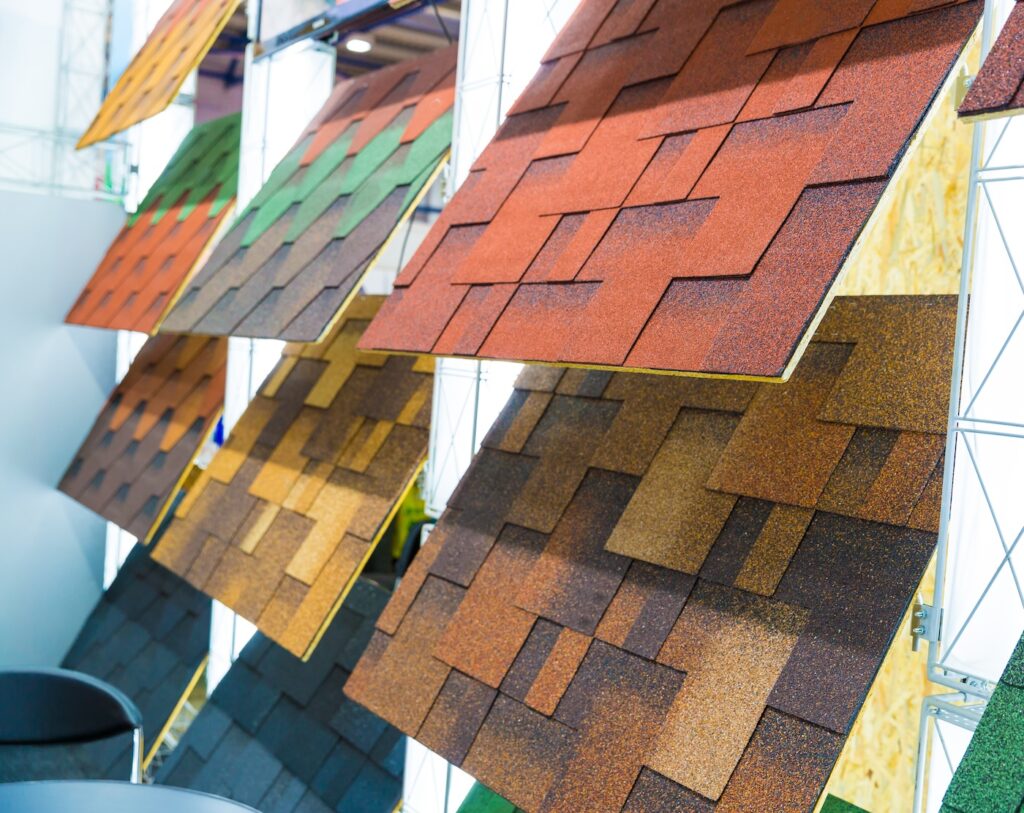
Your shingles are more than a cosmetic layer—they’re your roof’s first line of defense. In areas like Las Cruces, NM, where sunlight is intense and afternoon winds can be strong, choosing the right roofing material can mean the difference between 15 years of coverage and 30.
Different shingle types perform differently under stress. 3-tab shingles are the traditional, budget-friendly option, while architectural shingles offer a thicker, layered build that enhances both protection and style. Understanding their differences helps ensure your roof investment pays off for years to come.
What Are 3-Tab Shingles?
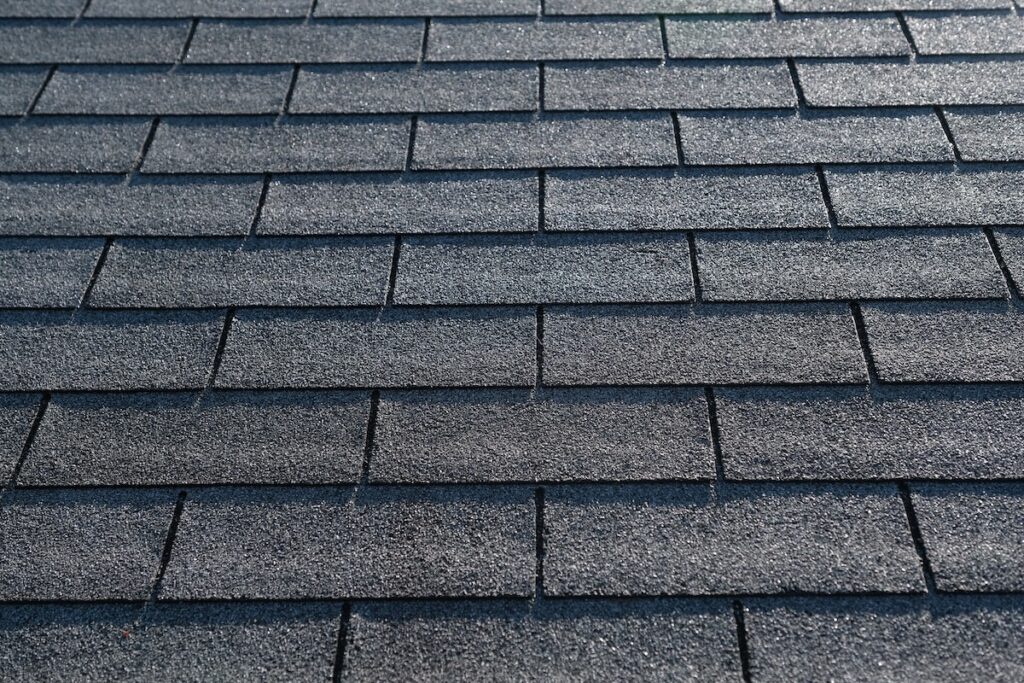
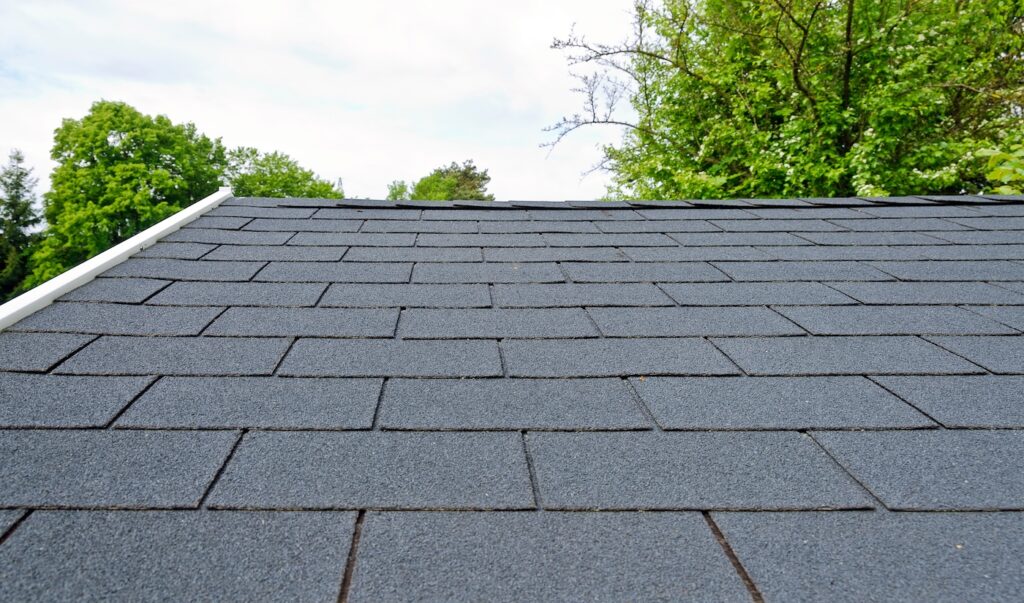
3-tab shingles are the classic style most homeowners recognize. They get their name from the three uniform tabs cut into each strip, creating a consistent, flat pattern once installed.
- Material: Made from a single asphalt layer reinforced with fiberglass.
- Appearance: Smooth and even, offering a clean, traditional look.
- Cost: One of the most affordable roofing materials available.
- Lifespan: Usually 15–20 years, depending on exposure and maintenance.
- Best for: Budget-conscious homeowners or rental properties needing reliable protection at a lower price point.
3-tab shingles have been around for decades because they’re simple, effective, and widely available. However, they offer limited resistance to high winds and may show wear faster in sunny or high-UV regions.
What Are Architectural Shingles?
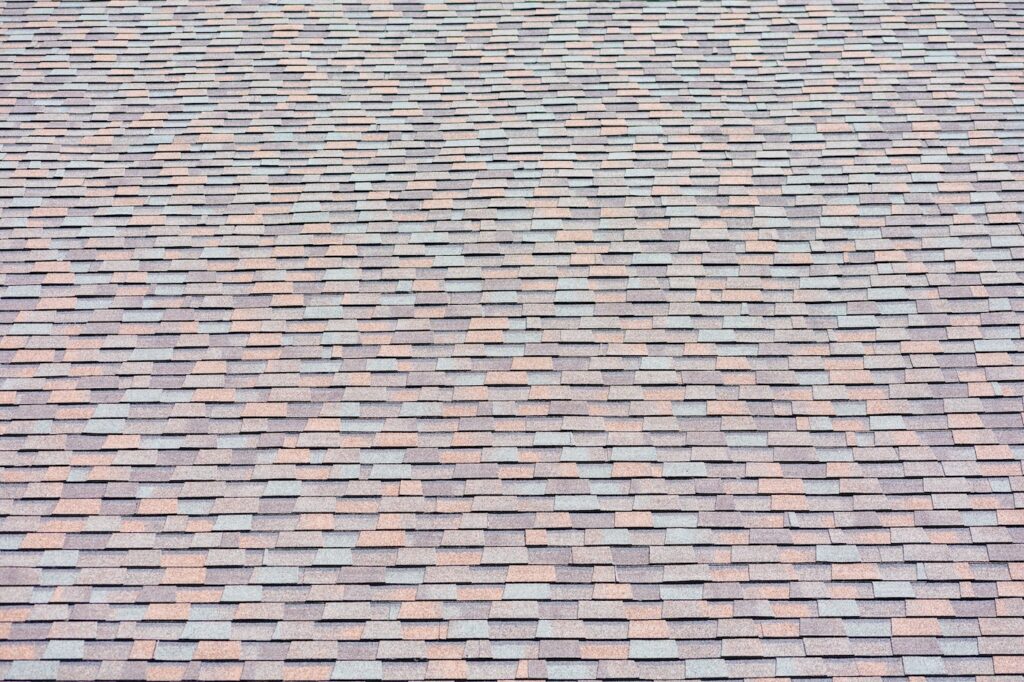
Architectural shingles—sometimes called dimensional or laminate shingles—represent a higher-grade category of asphalt shingles. They feature multiple bonded layers that create a thicker, more textured profile that adds dimension and strength.
- Material: Constructed with a heavy fiberglass mat and multiple asphalt layers.
- Appearance: Adds depth and dimension, often resembling wood shake or slate.
- Durability: Designed to handle strong winds and heavy sunlight without curling or cracking.
- Lifespan: Architectural shingles typically last 25–30+ years with proper installation.
- Best for: Homeowners seeking both strength and enhanced curb appeal.
Architectural shingles also tend to come with extended warranties from the roofing manufacturer when installed by a professional roofing contractor—offering added peace of mind for long-term homeowners.
Comparing 3-Tab and Architectural Shingles
When comparing the two, several key factors help determine which option fits your home and budget best.
- Design: 3-tab shingles create a flat, uniform look, while architectural shingles add depth and texture for a more dimensional finish.
- Durability: Architectural shingles offer thicker construction and better resistance to wind, heat, and impact than 3-tab shingles.
- Wind rating: 3-tab shingles typically withstand winds up to 60 mph; architectural options can handle gusts up to 130 mph.
- Lifespan: 3-tab shingles last around 15–20 years, while architectural shingles can perform for 25–30 years or more.
- Cost: 3-tab shingles have a lower upfront price, while architectural shingles provide stronger long-term value and fewer replacements.
- Warranty: Basic manufacturer warranties cover most 3-tab products, while architectural shingles often qualify for extended warranty protection when installed by a certified roofing contractor.
Both styles can perform well when installed by a qualified professional, but architectural shingles generally offer better durability and a more refined look that stands up to New Mexico’s harsh climate.
Cost vs. Value
3-tab shingles win in affordability, but architectural shingles often deliver more total value over time.
- Initial cost: 3-tab shingles typically cost 20–40% less per square foot.
- Long-term savings: Architectural shingles last about a decade longer, reducing the need for replacement.
- Maintenance: Thicker shingles resist curling, fading, and granule loss better than single-layer materials.
- Energy benefits: Architectural shingles can improve thermal insulation, reflecting more sunlight and reducing indoor heat gain.
If you plan to live in your home for many years, the additional upfront investment in architectural shingles usually pays for itself in performance, warranty coverage, and lower upkeep.
Installation and Warranty Coverage
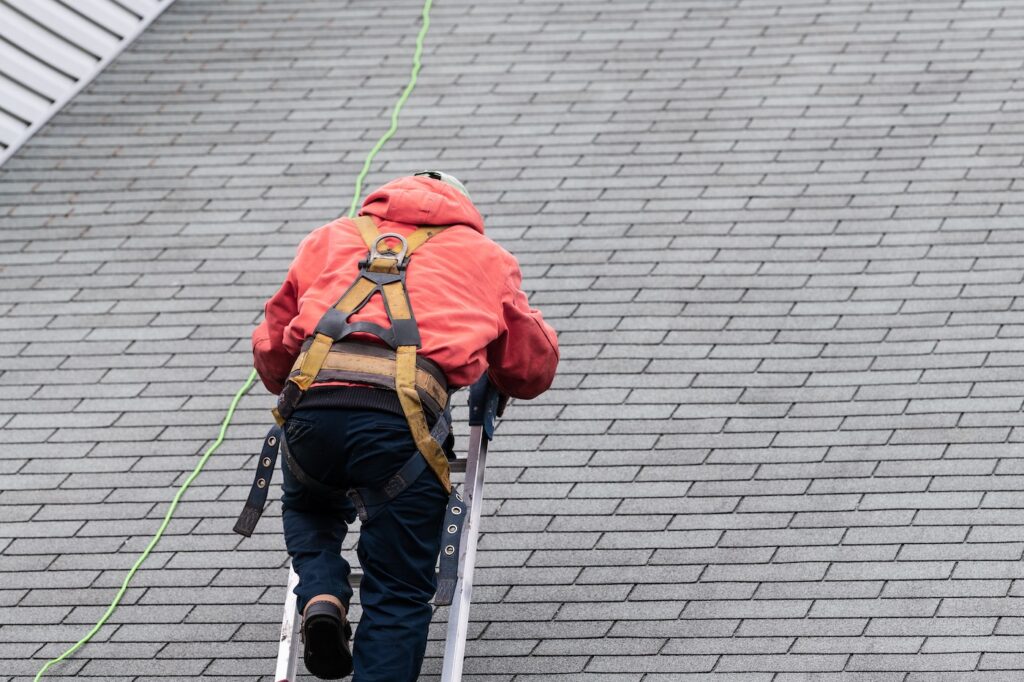
Proper installation is just as important as the shingle you choose. Both roofing types require professional care, but architectural shingles demand more precise alignment due to their layered structure.
- Installation time: 3-tab shingles are faster and simpler to install.
- Complexity: Architectural shingles require attention to overlapping layers and sealing.
- Warranty advantage: When installed by a certified roofing contractor, many manufacturers extend coverage to include both labor and materials.
Always check whether your roof qualifies for an extended warranty. In most cases, using a certified installer unlocks premium warranty options that protect against defects and installation issues for up to 50 years.
Performance in New Mexico’s Climate
Las Cruces homeowners experience intense sun, low humidity, and frequent winds—all of which can wear down roofing materials. Here’s how each type performs in these desert conditions.
Heat Tolerance
Architectural shingles resist UV damage and fading far better than standard 3-tab shingles. Their thicker layers help disperse heat and protect against color loss under constant sunlight.
Wind Performance
Strong spring winds are common across southern New Mexico. The added weight and layered design of architectural shingles help them resist uplift and damage better than flat, lightweight shingles.
Dust and Debris Resistance
Fine sand and debris can gradually wear down shingles in dry months. The thicker surface and tighter seal of architectural shingles provide better protection and maintain their finish longer.
Thermal Expansion
Daily temperature swings cause roofs to expand and contract. Reinforced asphalt layers in architectural shingles offer flexibility that prevents cracking and curling over time.
Which Option Is Right for You?
The best choice depends on your budget, aesthetic goals, and how long you plan to stay in your home.
- Choose 3-tab shingles if you want an affordable, reliable solution for a short- to mid-term home or investment property.
- Choose architectural shingles if you’re after long-term performance, better warranties, and enhanced curb appeal.
Both options can perform well when properly installed and maintained. A professional roofing contractor can evaluate your roof and recommend the most cost-effective solution for your situation.
Replace or Upgrade with Cabezon Roofing
Whether you’re updating an aging roof or upgrading to a more durable system, Cabezon Roofing can help you make an informed decision. As a trusted roofing contractor in New Mexico, we partner with top roofing manufacturers to deliver premium asphalt shingles backed by dependable warranty protection. We’re proud to serve home and business owners in Las Cruces, NM, and nearby areas with roofing systems designed for desert durability and lasting visual appeal.
Ready to compare your roofing options? Contact Cabezon Roofing today to schedule your free inspection and discover the perfect balance of quality, value, and design for your home.


