
TPO vs PVC Roofing: A Full Guide to Choose The Best Material
If you’re comparing TPO vs PVC roofing for a flat or low-slope property in Albuquerque, choosing the right option can significantly impact energy efficiency, durability, and long-term costs. While both membranes are designed for protection and performance, each excels in different environments. This guide breaks down their differences so you can choose the material that best fits your building and climate.
Here’s what this guide covers:
- What TPO and PVC roofing are
- How they differ in performance
- Which material works best in Albuquerque’s climate
- Installation expectations and maintenance tips
Choosing the right membrane is a key step in maximizing your roof’s lifespan and overall value.
What Are TPO and PVC Roofing?
TPO and PVC are two types of single-ply roofing materials commonly used on commercial and residential flat roofs. While they look similar at a glance, their performance characteristics vary due to differences in material composition. These options are widely installed by roofing contractor professionals seeking dependable roofing systems for large buildings.
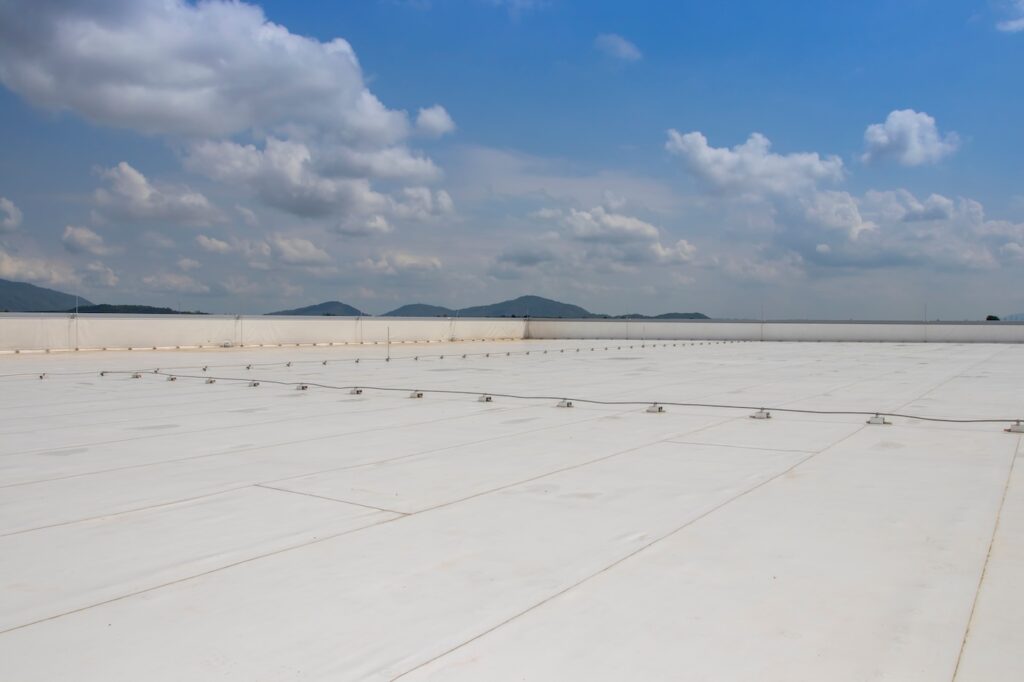
TPO Roofing
TPO (Thermoplastic Polyolefin) is a single-ply membrane made from polypropylene and ethylene-propylene rubber. It is known for its bright white color, strong UV resistance, and cost-effective installation. TPO is particularly popular in hot, sunny climates like Albuquerque because of its reflective surface and heat resistance, and tpo membranes are frequently chosen for energy efficiency and roof surface protection.
- Durability: TPO provides solid resistance to tears and punctures, especially in newer formulations designed to handle intense UV exposure.
- Energy efficiency: TPO is highly reflective, helping reduce heat absorption and lowering indoor cooling costs.
- Weather resistance: Performs well in high temperatures and resists sun-related wear better than many roofing materials.
PVC Roofing
PVC (Polyvinyl Chloride) is a single-ply roofing membrane made from a flexible, fire-resistant plastic. It offers superior chemical resistance and long-term flexibility, making it ideal for commercial properties with rooftop equipment or grease exposure. PVC is frequently chosen for buildings that require high performance in demanding environments and for roofing systems benefiting from added fire resistance.
- Durability: PVC offers excellent resistance to chemicals, grease, and punctures, maintaining flexibility over time.
- Energy efficiency: Like TPO, PVC membranes reflect sunlight and help reduce cooling needs, making them effective in hot climates.
- Weather resistance: Performs exceptionally well against wind, rain, and rooftop traffic, making it a reliable long-term choice.
Material Composition and Performance Differences
Understanding the chemical and structural differences between TPO and PVC can help you choose the right membrane for your building’s performance needs within commercial roofing applications.
Flexibility and Strength
PVC maintains flexibility longer, helping preserve seam strength and reducing cracking risks. TPO is strong but can stiffen over time depending on formulation and exposure.
Heat and Sun Exposure
Both materials resist heat, but TPO’s bright reflective surface makes it especially well-suited for regions with intense UV exposure like Albuquerque.
Moisture Protection
Each membrane provides reliable waterproofing when seams are properly heat-welded. PVC performs exceptionally well in areas with ponding water or heavy rainfall, creating a seamless and watertight membrane that reduces the chance of leaks.
7 Key Differences Between TPO and PVC Roofing
Here are seven important distinctions building owners should consider when deciding between the two materials.
- Chemical resistance: PVC significantly outperforms TPO when exposed to grease or chemicals.
- Foot traffic tolerance: PVC handles repeated foot traffic better.
- UV performance: TPO offers some of the best UV resistance of any roofing membrane.
- Seam strength: PVC seams typically remain stronger over time.
- Cost: TPO is usually the more budget-friendly option.
- Longevity: Both can last 20 to 30 years with proper maintenance.
- Installation differences: PVC can be easier to heat-weld in colder weather.
TPO vs PVC: Side-by-Side Comparison
| Performance Category | TPO | PVC |
| UV Resistance | Excellent | Good |
| Chemical Resistance | Moderate | Excellent |
| Foot Traffic | Moderate | High |
| Cost | Lower | Higher |
| Lifespan | 20–30 years | 20–30+ years |
| Flexibility | Moderate | High |
| Best Use Case | Hot climates, cost-saving installs | Commercial kitchens, high-traffic roofs |
Cost Considerations
TPO is often chosen for its budget-friendly price point, while PVC is preferred for its durability and performance in specialized environments. Both offer long-term value when properly installed.
Moisture-related deterioration is one of the most common causes of roof system failure, especially considering that water damage and freezing account for nearly 24% of all homeowners insurance claims. Choosing the right membrane helps reduce the risk of costly moisture intrusion and long-term repairs.
How TPO and PVC Perform in Albuquerque’s Climate
Albuquerque’s intense sunlight and high UV levels make membrane performance a critical factor for commercial roofing and residential properties. Both materials can perform well, but each brings unique strengths depending on the structure’s needs.
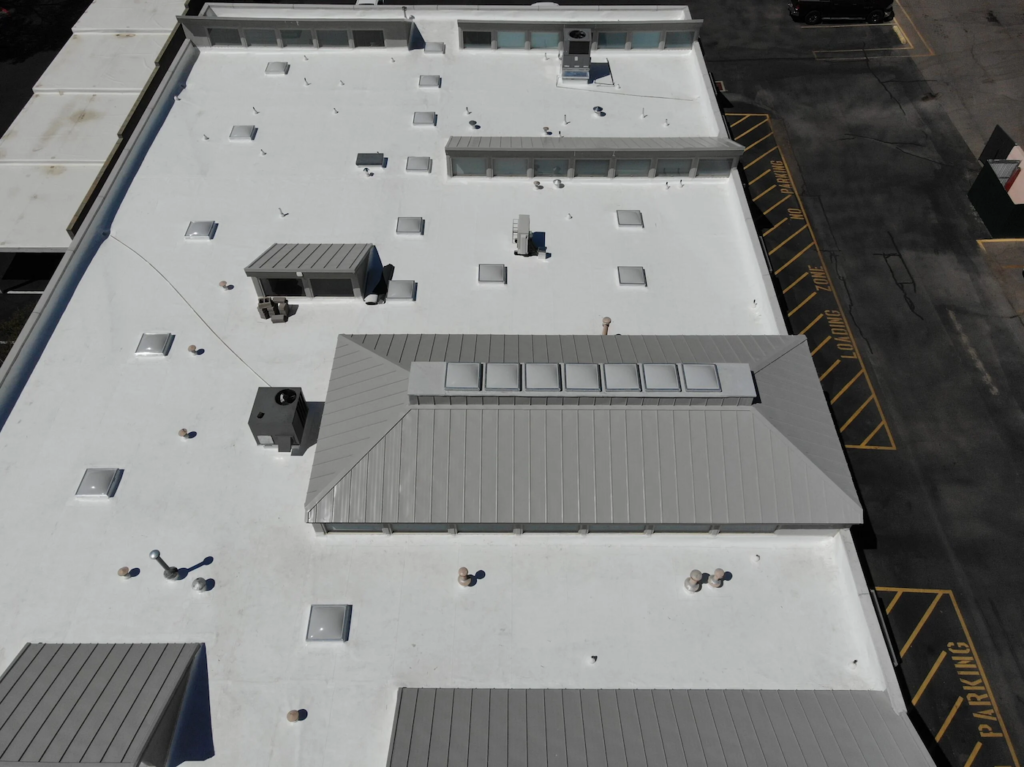
TPO Performance in Albuquerque
TPO’s reflective surface and heat-resistant formulation make it a strong match for Albuquerque’s climate. It is frequently used by roofing contractor teams looking to maximize energy efficiency.
- Energy efficiency: Reflects sunlight and reduces cooling needs.
- Cost-effective installs: Ideal for large commercial buildings with expansive roof surface areas.
- Heat resistance: Maintains performance under intense UV exposure.
PVC Performance in Albuquerque
PVC is an excellent choice for buildings exposed to chemicals, heavy rooftop activity, or moisture challenges.
- Commercial durability: Withstands grease, chemicals, and equipment-related wear.
- Foot traffic tolerance: Maintains strength during regular HVAC or equipment access.
- Moisture protection: Performs reliably in areas with ponding water or drainage limitations.
Maintenance Expectations for TPO and PVC
Proper maintenance ensures both systems achieve their full lifespan and maintain performance.
Regular Roof Inspections
Routine inspections help identify seam issues, membrane wear, or uplift before they become significant problems. These evaluations allow a roofing contractor to recommend adjustments to the installation method or repairs that reinforce long-term durability.
Cleaning and Debris Management
Keeping the roof surface clean supports proper drainage and reduces the risk of punctures or moisture accumulation. Removing debris is an important part of the installation process and ongoing care for either membrane.
Monitoring Rooftop Activity
Both membranes perform well under controlled conditions, but rooftop equipment and technician access can stress the roof. Monitoring these areas helps maintain membrane integrity and prevents avoidable damage to the roofing materials.
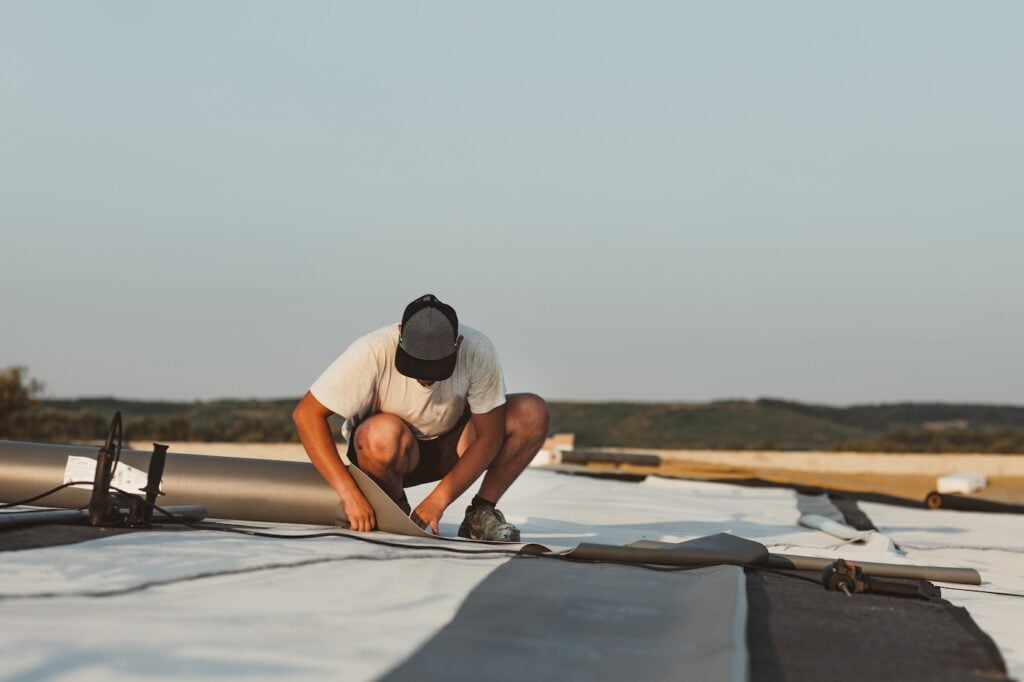
We’re proud to serve home and business owners in Albuquerque, NM, and nearby communities with TPO and PVC roofing installations, replacements, and repairs.
Why Homeowners Trust Cabezon Roofing for TPO and PVC Roofing Expertise
At Cabezon Roofing, we help property owners make informed decisions by evaluating climate conditions, building structure, and long-term goals. Whether you want energy savings, long-lasting durability, enhanced fire resistance, or strong performance under rooftop activity, our experts guide you toward the best membrane for your project.
From new installations to repairs and maintenance, our team delivers honest recommendations, thorough inspections, and craftsmanship tailored to New Mexico’s climate. Contact Cabezon Roofing today to schedule a flat-roof consultation and explore your TPO and PVC options.


