Metal Roof Underlayment Installation for New Mexico Homes in 2026
Making the right choice for metal roof underlayment installation is essential for protecting your home from moisture, heat, and long-term structural damage. In Rio Rancho, where intense sun, seasonal storms, and temperature swings are common, the underlayment plays a critical role in how well your roof performs. While metal panels act as the primary roofing material, the layer beneath them serves as a protective barrier that ensures water resistance and durability over time.
Here’s what this guide covers:
- What metal roof underlayment does
- The most common types of metal roof underlayment installation options
- How each option performs in different conditions
- Key factors when choosing the right material
- Installation and maintenance considerations
Understanding your options helps you build a roof that lasts longer and delivers reliable performance in New Mexico’s climate.
What Is Metal Roof Underlayment?
Metal roof underlayment is a protective layer installed between the roof deck and the metal panels. It acts as a secondary protective barrier against moisture, preventing water from reaching the structure beneath the roof.
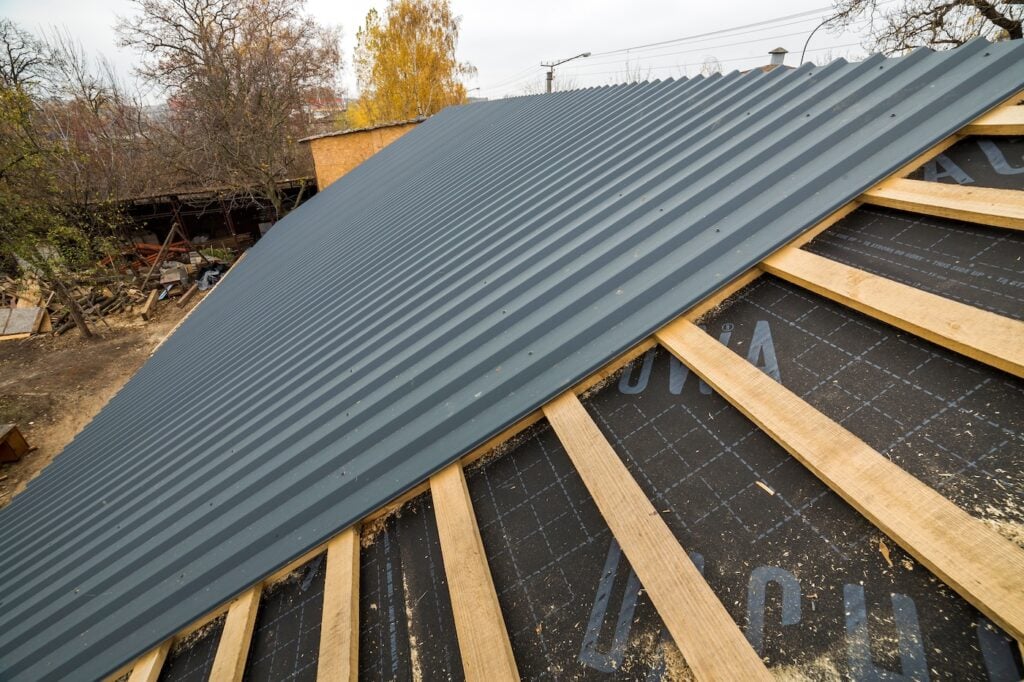
This layer is especially important because metal panels can expand and contract with temperature changes. The underlayment for metal roofs helps maintain a consistent seal, reducing the risk of leaks and supporting reliable performance over time.
Why Underlayment Matters
Without proper underlayment for metal systems, even a well-installed roof can develop problems over time. According to the National Roofing Contractors Association, metal roofs are more susceptible to condensation on the underside of the panel than other roofing types — because metal gains and loses heat rapidly, making a proper underlayment barrier essential for preventing unseen corrosion and moisture damage.
- Moisture protection: Prevents water from reaching the roof deck and supports water shield performance.
- Temperature resistance: Helps manage heat transfer beneath metal panels in high temperature conditions.
- Backup barrier: Adds protection if panels, fasteners, or screws fail.
5 Types of Metal Roof Underlayment Installation to Consider
Different underlayment materials offer varying levels of protection, durability, and cost. Choosing the right type depends on your roof design, climate, and budget.
- Felt underlayment: Traditional option made from asphalt-saturated paper, commonly used for its affordability and compatibility with many roofing material types.
- Synthetic underlayment: Lightweight and durable, offering improved resistance to tearing and moisture compared to traditional felt.
- Self-adhered membrane: Provides a waterproof seal and functions as a water shield, especially useful in vulnerable areas and for ice dam protection.
- High-temperature underlayment: Designed to withstand heat from metal panels, making it one of the best high temperature underlayment options for hot climates like New Mexico.
- Rubberized asphalt underlayment: Flexible material that creates a watertight barrier around fasteners and screws, improving leak resistance and supporting ice dam protection in colder conditions.
Comparing Metal Roof Underlayment Installation Options
Each type of underlayment has advantages depending on the roofing application and environmental conditions.
| Underlayment Type | Durability | Water Resistance | Best Use |
| Felt | Moderate | Moderate | Budget-friendly projects |
| Synthetic | High | High | Residential and commercial roofs |
| Self-adhered | Very High | Excellent | Leak-prone areas |
| High-temperature | High | High | Hot climates |
| Rubberized asphalt | Very High | Excellent | Maximum waterproofing |
How Climate Impacts Underlayment Performance
Rio Rancho’s climate plays a major role in how underlayment performs over time. High temperature exposure can cause some materials to degrade faster, while sudden storms increase the risk of water intrusion. Wind driven rain can force moisture beneath panels if underlayment is not installed correctly, making proper application essential.
Although ice dams are less common in this region, occasional cold snaps can still create conditions where moisture backs up under roofing materials. Underlayment designed for flexibility and sealing helps prevent water intrusion and reduces the risk of membrane peeling over time.
This is especially important because roof underlayment is a key factor in preventing moisture intrusion that can lead to structural damage. Selecting the right option helps protect your home from long-term issues.
Key Factors When Choosing Underlayment
Selecting the right underlayment involves more than just cost. Several factors influence how well it performs over time and how effectively it protects your roof.
- Roof slope and design: Steeper roofs shed water more easily, while low-slope designs require stronger waterproofing materials to prevent pooling.
- Climate conditions: High heat, wind driven rain, and UV exposure require underlayment for metal roofs that can resist breakdown in extreme conditions.
- Budget and longevity: Higher-quality materials cost more upfront but provide better long-term value and durability.
- Compatibility with panels and fasteners: The underlayment must work well with metal panels and screws to ensure proper sealing and performance.
Installation Considerations
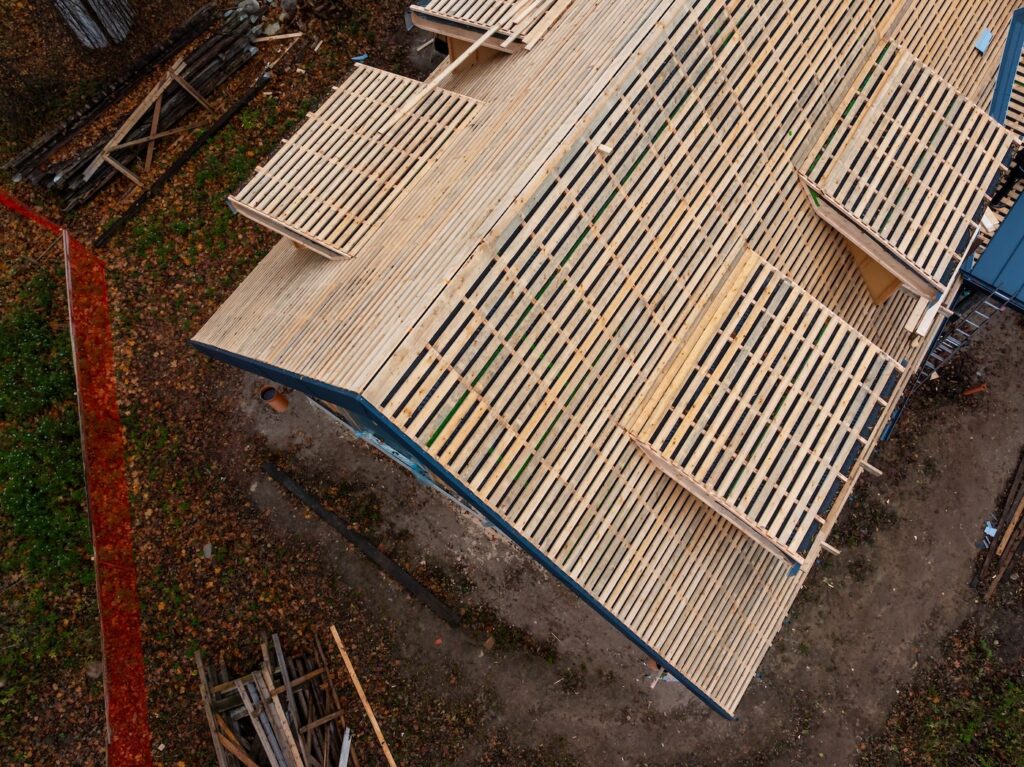
Proper installation is critical to the effectiveness of any underlayment. Even the best materials can fail if installing underlayment is not handled with precision.
Professional Installation
Working with experienced roofing professionals ensures proper placement, sealing, and alignment of the underlayment. Roofing professionals understand how to avoid common issues and ensure everything is installed correctly the first time.
Compatibility with Metal Panels
The underlayment must be compatible with the type of metal roofing being installed. This ensures proper adhesion and prevents issues caused by expansion and contraction when installing underlayment.
Ventilation and Moisture Control
Adequate ventilation helps prevent moisture buildup beneath the roof. This reduces the risk of mold growth and extends the lifespan of the entire roof structure.
Maintenance Tips After Metal Roof Underlayment Installation
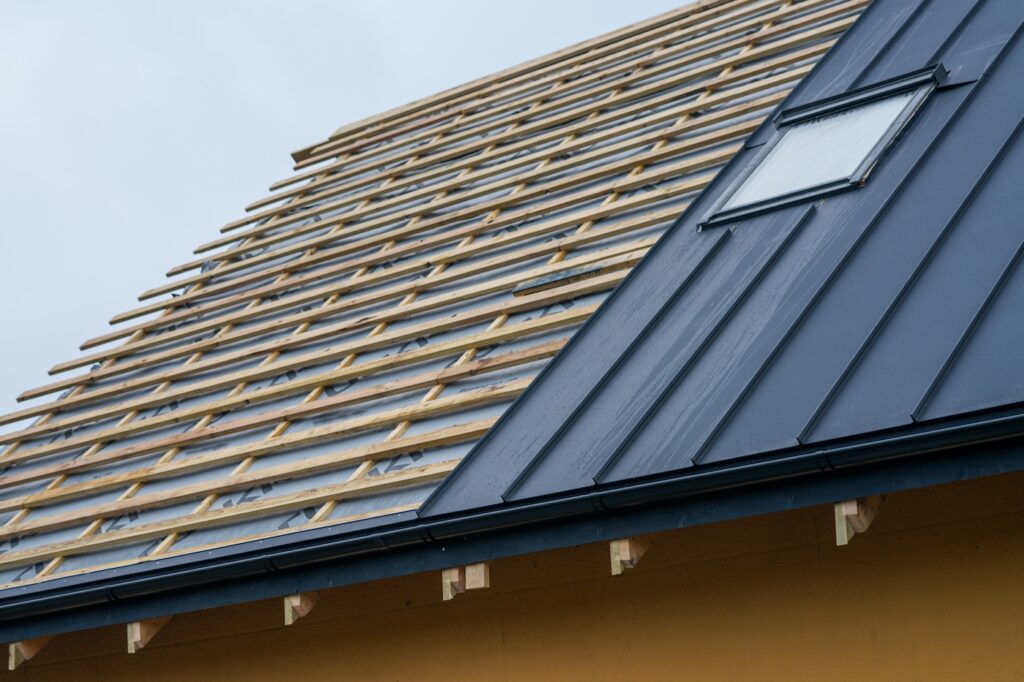
Although underlayment is not visible, it still requires attention as part of overall roof maintenance.
- Routine inspections: Identify potential issues before they become major problems.
- Check for leaks: Interior signs may indicate underlayment failure.
- Maintain roofing components: Keeping panels, screws, and fasteners in good condition protects the layer beneath.
Regular maintenance helps ensure your underlayment continues to deliver reliable performance. We’re proud to serve home and business owners in Rio Rancho, NM, and nearby communities with metal roofing systems and underlayment solutions.
Protect Your Roof from the Inside Out with Cabezon Roofing
At Cabezon Roofing, we understand that a strong roof starts beneath the surface. Our team helps you choose the right underlayment for metal roofing based on your home’s structure, climate conditions, and long-term goals. From installation to full system upgrades, we ensure every layer is installed correctly and built for durability.
Whether you are upgrading materials or starting a new project, we focus on quality craftsmanship and reliable performance you can count on.
Contact Cabezon Roofing today to schedule your consultation and learn more about the best underlayment options for your metal roof.