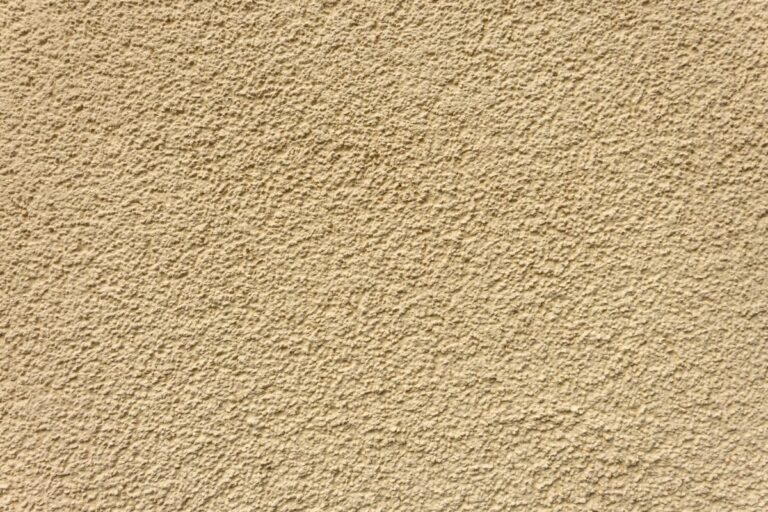
Synthetic Stucco: Pros, Cons and Performance Explained
Choosing the right exterior cladding can significantly impact your home’s durability, energy efficiency, and long-term maintenance. Synthetic stucco is a popular option for modern homes, offering flexibility, insulation, and design versatility. In Albuquerque, where heat, sun exposure, and temperature swings are common, understanding how this wall system performs can help you make a confident decision.
Here’s what this guide covers:
- What synthetic stucco is and how it works
- Key differences from cement stucco systems
- Pros and cons homeowners should know
- Installation and maintenance expectations
- Long-term performance considerations
Understanding these details helps you choose the right exterior solution for your home.
What Is Synthetic Stucco?
Synthetic stucco, also known as EIFS (Exterior Insulation and Finish Systems), is a layered exterior cladding system designed to improve insulation and protect your home from moisture. Instead of being applied directly to a solid surface, it is installed over exterior sheathing using a system of connected layers. At a basic level, it acts as a protective outer shell that also helps regulate indoor temperature and improve thermal efficiency.
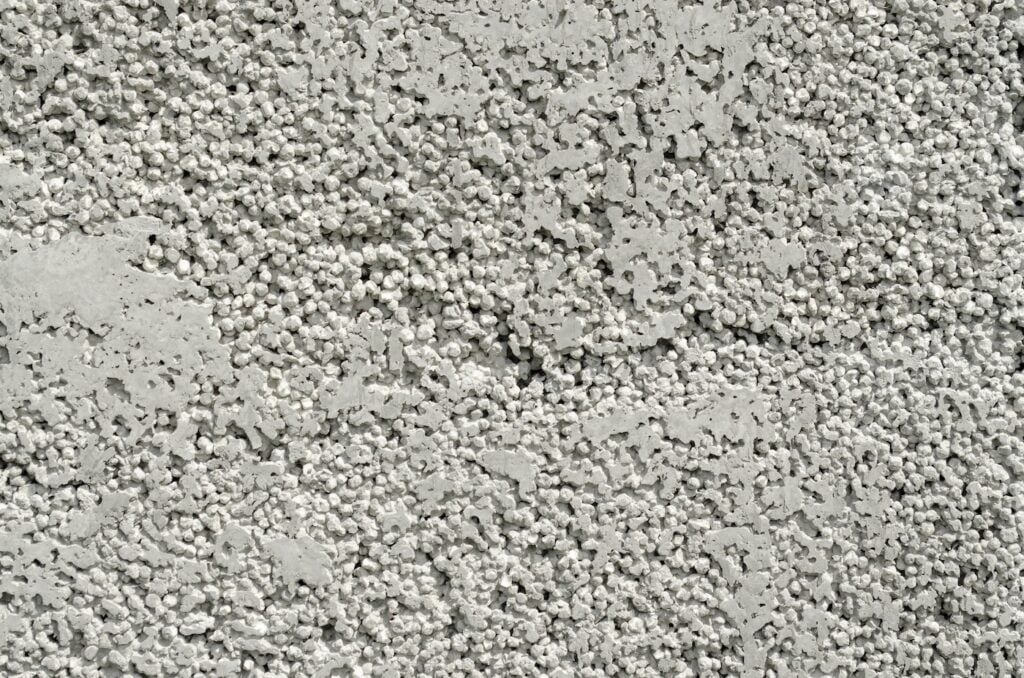
A typical EIFS wall system includes:
- Insulation board: Often made with foam insulation to reduce heat transfer
- Base coat and mesh: Adds strength and durability
- Finish coat: Provides the final color and texture
- Moisture barrier: Helps prevent water intrusion
- Drainage layer: Allows trapped moisture to escape
One of the biggest benefits homeowners notice is insulation. Cement stucco has an R-value of around 0.2, while EIFS typically ranges from 4 to 5.6. Some systems with continuous insulation can achieve even higher overall wall performance, helping reduce energy consumption.
How Synthetic Stucco Differs from Cement Stucco
Both systems are widely used, but they perform very differently in real-world conditions. Understanding these differences helps homeowners choose what fits their needs.
Application method
- Cement-based systems are applied in three coats over metal lath
- Synthetic stucco is installed as a multi-layer system over exterior sheathing
Weight
- Synthetic stucco is about 80% lighter
- Cement stucco is heavier and more rigid
Moisture behavior:
- Cement stucco is breathable and allows moisture to escape
- Synthetic systems rely on proper sealing and drainage with a moisture barrier
Flexibility:
- Synthetic stucco is more flexible and resists cracking
- Cement stucco is more rigid and prone to hairline cracks
For homeowners, the key takeaway is simple: synthetic stucco focuses on insulation and flexibility, while cement-based systems emphasize durability and a natural textured finish that suits many architectural style preferences.
6 Pros and Cons of Synthetic Stucco
Understanding both the advantages and drawbacks helps determine whether this system is right for your home.
1. Energy Efficiency vs Upfront Cost
Synthetic stucco provides significantly better insulation than cement-based systems.
- Pro: Higher R-value improves indoor comfort
- Pro: Continuous insulation reduces energy loss
- Con: Higher upfront investment compared to cement stucco
- Con: Energy savings depend on proper installation
2. Moisture Protection vs Installation Sensitivity
EIFS systems are designed to manage water effectively when installed properly.
- Pro: Includes drainage systems and moisture barrier layers
- Pro: Helps protect structural components from water damage
- Con: Improper installation can trap moisture behind the wall system
- Con: Moisture issues may remain hidden if not inspected
3. Flexibility vs Impact Resistance
Synthetic stucco is more flexible, which helps reduce cracking.
- Pro: Resists cracking from settling or temperature changes
- Pro: Performs well in changing climates
- Con: More susceptible to dents or punctures from impact
- Con: May require repairs after heavy contact or debris impact
4. Lightweight Structure vs Durability Perception
The lighter weight affects both installation and structural load.
- Pro: About 80% lighter than cement stucco
- Pro: Easier to install on a variety of structures
- Con: May be perceived as less durable than cement-based systems
- Con: Can feel less solid compared to traditional masonry finishes
5. Design Flexibility vs Traditional Appearance
Synthetic stucco allows for a wide range of styles and finishes.

- Pro: Can be molded into different shapes and textures
- Pro: Offers flexibility for modern architectural style needs
- Con: May not fully replicate the classic cement stucco appearance
- Con: Some finishes may appear more uniform
6. Maintenance Simplicity vs Monitoring Requirements
Synthetic stucco is relatively easy to maintain but requires regular checks.
- Pro: Easy to clean with mild soap and water
- Pro: Small repairs are typically straightforward
- Con: Requires periodic inspection of seals and joints
- Con: Damage should be addressed quickly to avoid larger issues
Synthetic vs Traditional Stucco Comparison
| Feature | Synthetic Stucco (EIFS) | Cement Stucco |
| Installation | Multi-layer system over exterior sheathing | Three-coat system over lath |
| Weight | Lightweight | Heavy |
| Insulation | High (R-value 4–5.6+) | Very low (around 0.2) |
| Moisture Handling | Requires drainage system | Naturally breathable |
| Flexibility | Flexible and crack-resistant | Rigid, prone to cracking |
| Durability | Long-lasting with maintenance | Can last 50+ years |
| Appearance | Smooth or textured, customizable | Natural, textured finish |
| Maintenance | Requires inspections | May need patching over time |
Installation Process for Synthetic Stucco
Installing synthetic stucco requires a multi-step approach to ensure proper performance.
- Layered system: Installed with insulation board, base coat, mesh, and finish coat
- Moisture control: Includes a moisture barrier and drainage plane
- Precision required: Proper sealing and flashing are critical
Correct installation is essential. Poor workmanship can lead to moisture intrusion, which may cause damage to the structure behind the exterior cladding.
Maintenance and Long-Term Performance
Maintaining synthetic stucco helps ensure long-term durability and performance.
- Routine inspections: Check for cracks, gaps, or damage
- Seal maintenance: Keep joints and flashing intact
- Cleaning: Use mild soap and water only
- Prompt repairs: Fix damage early to prevent further issues
Synthetic stucco can perform well for decades when properly installed and maintained. However, improper installation can lead to moisture problems such as mold or rot within the wall system.
Cement stucco, while more forgiving with moisture movement, may require periodic patching due to cracking over time.
Choosing the Right Option for Your Home
The choice between synthetic and cement stucco depends on your priorities. If energy efficiency, continuous insulation, and flexibility are important, synthetic stucco may be the better option. If you prefer a more traditional appearance and long-term durability, cement stucco may be a better fit.

We’re proud to serve home and business owners in Albuquerque, NM, and nearby communities with exterior solutions and stucco services.
Work with Cabezon Roofing for Exterior Expertise
At Cabezon Roofing, we help homeowners evaluate exterior cladding options based on climate, performance, and long-term value. Our team ensures proper installation and provides guidance so you can choose the best system for your home.
Contact Cabezon Roofing today to schedule a consultation and learn more about synthetic stucco and exterior solutions.