
Flat Roof Repair Experts in Albuquerque, NM
Flat roofs are one of the most common roofing styles in New Mexico, and for good reason. They complement Southwestern architecture beautifully and offer practical advantages that pitched roofs simply cannot. But when something goes wrong, flat roof repair Albuquerque homeowners and property owners need is a different kind of job than a standard shingle repair. Choosing a roofing company that offers professional roofing services specifically suited to low-slope systems makes all the difference in how long that repair actually holds. Whether you have a TPO membrane, a gravel roof, or a spray foam system, knowing what warning signs to watch for can save you significant money before a manageable fix turns into a full flat roof replacement. In this guide, we cover:
- Why flat roofs in Albuquerque need specialized attention
- The most common flat roof problems and what causes them
- The materials used most often in New Mexico
- How to tell when you need a repair versus a new roof
- What professional flat roof repair involves
- How to choose the right contractor for your roofing needs
Why Flat Roofs in New Mexico Present Unique Challenges
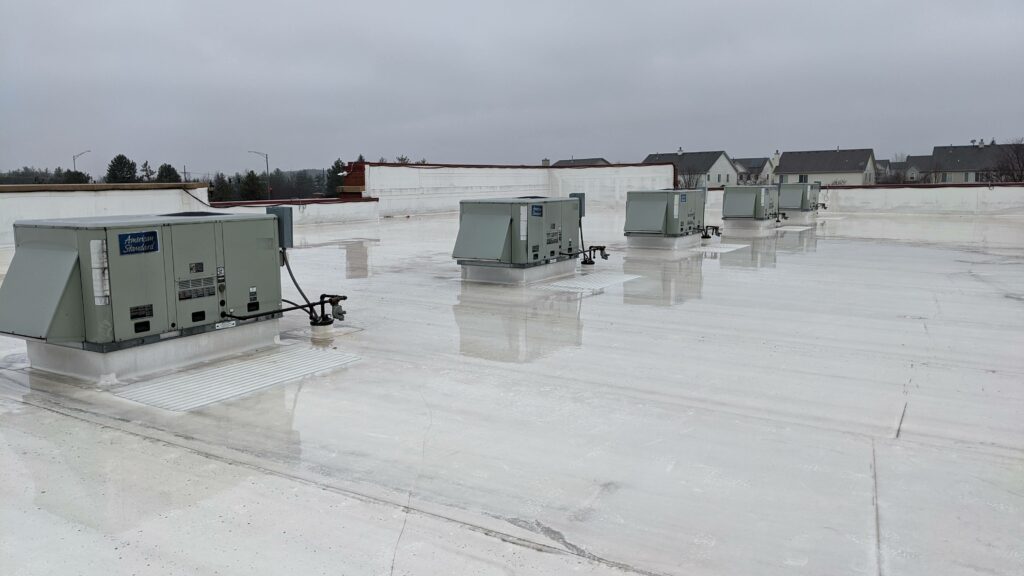
New Mexico’s climate creates a distinct set of demands on flat roofing systems. Albuquerque sees intense UV radiation year-round, with over 280 sunny days annually, which accelerates membrane breakdown faster than in most other parts of the country. Add in monsoon season downpours and winter freeze-thaw cycles, and even a small crack or failed seam can become a serious leak in a single season.
Unlike pitched roofs, flat roofs rely entirely on proper drainage to move water off the surface. Standing water that lingers after storms is one of the leading causes of premature membrane failure across all flat roof types. The good news is that quality roofing services and early intervention can extend your roof’s life significantly when problems are caught before they spread.
Common Flat Roof Problems in Albuquerque
Flat roof issues tend to follow predictable patterns and usually become apparent well before they cause major interior damage. Knowing what to look for helps you stay ahead of costly repairs.
Ponding Water and Drainage Failures
Standing water that remains on a flat roof for more than 48 hours is considered ponding, and it is one of the most serious threats to any membrane system. Ponding adds structural weight, accelerates deterioration, and creates ideal conditions for leaks at seams and penetrations.
- Clogged drains: Debris collecting around roof drains is the most common ponding cause on Albuquerque flat roofs.
- Insufficient slope: Structural settling over time can reduce drainage pitch and create persistent low spots.
- Sagging membrane: Depressed membrane areas collect water regardless of drain condition.
Membrane Blistering and Cracking
Albuquerque’s intense sun causes flat roof membranes to blister and crack over time, especially on older modified bitumen and built-up systems exposed to decades of direct UV. Choosing UV-resistant materials helps reflect heat and minimize thermal expansion, which is one of the most effective ways to extend membrane life in New Mexico’s climate.
- UV degradation: Membranes lose flexibility and become brittle under prolonged sun exposure.
- Thermal expansion: Daily temperature swings stress seams and field areas through repeated expansion and contraction.
- Poor installation: Trapped moisture or air during original installation accelerates blistering as the roof ages.
Flashing and Seam Failures
Flashings around parapet walls, HVAC units, and roof penetrations are the most vulnerable areas on any flat roof and the source of most leaks.
- Lifted flashing: Metal or membrane flashing that pulls away from vertical surfaces creates a direct water entry point.
- Failed seams: Lap joint adhesives and seam tape deteriorate over time, particularly on older systems.
- Parapet wall cracks: Stucco or masonry parapet walls can crack in freeze-thaw conditions and allow water behind the flashing.
Flat Roof Materials Common in Albuquerque
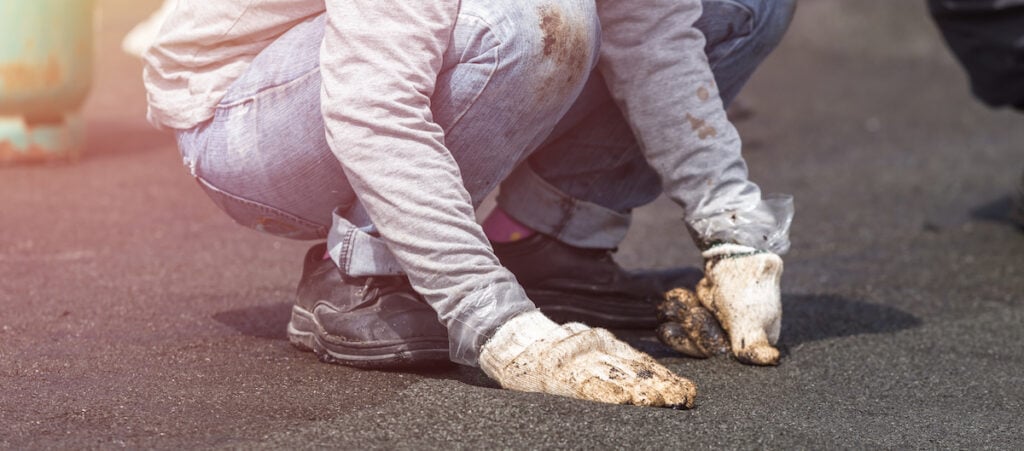
Understanding your roof’s material helps you have a better conversation with any contractor. Different systems require different repair techniques, and not every contractor in the roofing industry is experienced with all of them. Metal roofing aside, most flat roofs in Albuquerque fall into one of these categories, including the traditional gravel roof systems still found on older homes and commercial buildings across the region:
| Material | Typical Lifespan | Best For | Common Issues |
| TPO | 15 to 25 years | Energy efficiency, UV reflection | Seam separation, punctures |
| EPDM | 20 to 30 years | Durability, low maintenance | Adhesive seam failure, shrinkage |
| Modified Bitumen | 15 to 20 years | Affordability, easy repair | UV cracking, blistering |
| Built-Up Roofing / Gravel Roof | 15 to 30 years | Multi-layer protection | Seam failure, ponding damage |
| Spray Polyurethane Foam | 20 to 30 years | Seamless coverage, insulation | Surface coating wear |
According to the National Roofing Contractors Association, TPO holds approximately 40% of the low-slope roofing market, making it the most widely installed flat roofing membrane in the United States. (NRCA Market Survey via Elite Construction Solutions)
When to Repair vs. Replace Your Flat Roof
Repair is the right call when damage is localized, the membrane is under 15 years old, and the roof system is structurally sound. A dedicated contractor with quality workmanship can patch punctures, reseal seams, re-adhere flashings, and restore drainage without the cost of a full roof replacement.
A new roof becomes the better investment when deterioration is widespread, multiple leaks are appearing in different areas, or the system is nearing the end of its expected lifespan. In those cases, investing in premium roofing from the start pays for itself in longevity and avoided repair costs. Whether you need a repair or a full roof replacement, we offer free estimates so you always know exactly where things stand before committing to anything.
We are proud to serve home and business owners in Albuquerque, NM, and nearby communities including Rio Rancho and Santa Fe with expert flat roof repair, roof replacement, and quality roofing services and more.
5 Signs Your Flat Roof Needs Professional Attention Now
Some problems can wait for a scheduled inspection. Others need a contractor on the roof right away. Here are the signs that fall into the second category.
1. Active Interior Leaks or Water Stains
Any water making it through the roof into your building needs immediate attention. Even a slow drip can cause mold growth, insulation damage, and structural deterioration quickly.
2. Visible Membrane Damage From the Ground
Bubbling, cracking, or torn membrane visible without climbing onto the roof signals advanced deterioration. If damage is apparent from a distance, the underlying condition is likely more extensive.
3. Persistent Ponding After Rainstorms
Water standing more than 48 hours after rain means your drainage has a problem. Ponding water will significantly shorten the remaining life of any flat roof membrane if left unaddressed.
4. Unexplained Increases in Energy Costs
A compromised membrane allows heat to transfer more freely. If cooling or heating bills have climbed without another clear explanation, moisture intrusion or membrane failure may be reducing your roof’s insulation value.
5. Your Roof Is Over 15 Years Old and Has Never Been Inspected
Flat roofs that have gone more than a decade without a free roof inspection are almost always carrying problems that have not yet surfaced as visible leaks. As a general rule, regular inspections are necessary before and after the storm season, and an aging roof that has never been assessed should be scheduled right away.
What Professional Flat Roof Repair Involves
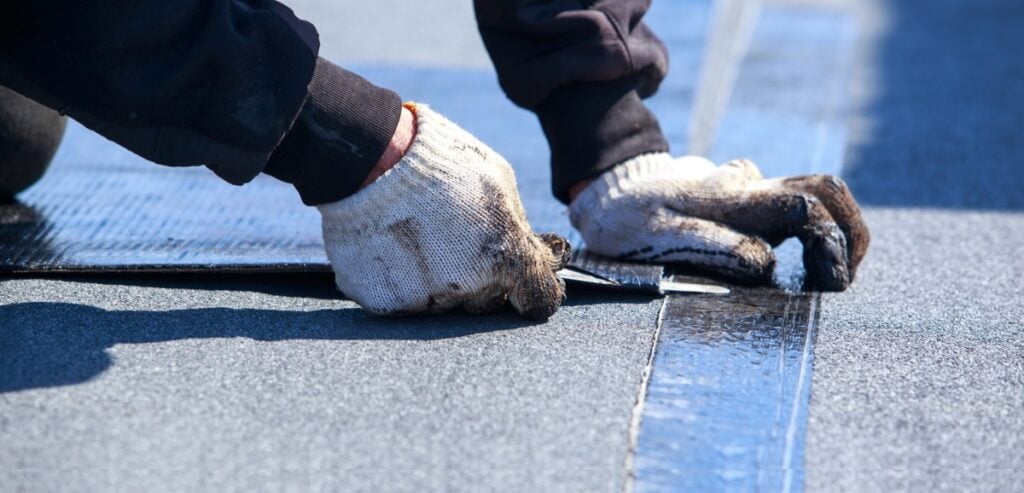
Quality roofing services go well beyond applying sealant and moving on. A reputable contractor follows a process that addresses both the symptom and the cause.
- Thorough diagnostic inspection: The contractor walks the entire surface, examines all flashings, and tests drains before any work begins.
- Moisture detection: Experienced contractors use infrared scanning to locate hidden moisture trapped beneath the membrane.
- Surface preparation: The repair area is cleaned and dried properly before any patch is applied, which is the most commonly skipped step and the most common reason repairs fail early.
- Material-matched repairs: Work is done using the same or compatible system as the existing membrane for a proper bond and lasting performance.
- Drainage correction: Any drainage issues contributing to the problem are addressed at the same time.
- Written documentation: A professional provides a report of findings and repairs, including any recommendations for future maintenance.
Frequently Asked Questions About Flat Roof Repair
Flat roofing options are available for both residential and commercial properties, and the questions New Mexico homeowners and building owners ask most often tend to center around cost, maintenance, and roofing requirements specific to low-slope systems. One maintenance tip worth knowing upfront: reapply elastomeric coatings every 5 to 10 years to seal minor cracks and extend the life of the membrane between major repairs.
How much does flat roof repair cost in Albuquerque?
Costs vary depending on damage size, material, and job complexity. Minor seam repairs typically run a few hundred dollars, while larger repairs involving drainage correction or flashing work can cost more. Cabezon Roofing offers free estimates, so you can get a clear, honest number before committing to any work.
Can I repair a flat roof myself?
Flat roof repair done incorrectly often makes the underlying problem worse. Moisture trapped beneath a poorly applied patch accelerates membrane failure. For any active leak, structural concern, or significant membrane damage, professional repair from a contractor with quality workmanship is strongly recommended.
Will my homeowner’s insurance cover flat roof repairs?
It depends on the cause. Hail damage, wind, and monsoon storm damage are often covered by homeowner’s insurance. Damage from age or lack of maintenance is typically not. A professional inspection report with photos is essential for supporting any insurance claim.
Does Cabezon Roofing handle all flat roof types?
Yes. Our team works with TPO, EPDM, modified bitumen, built-up systems, and spray polyurethane foam. We assess each roof individually and match our approach to the specific material and the extent of the damage.
Cabezon Roofing: Albuquerque’s Flat Roof Repair Specialists
A deteriorating flat roof does not improve on its own. The longer it goes unaddressed, the more it costs to fix. Cabezon Roofing is a company built on professional roofing services across every flat roof system common to Albuquerque and Central New Mexico, from TPO and EPDM to modified bitumen and spray foam. Whatever your roofing needs, our dedicated team shows up prepared, diagnoses the problem honestly, and tells you exactly what it will take to fix it before any work begins.
Contact our team to schedule your free roof inspection and get the repair process started today.


