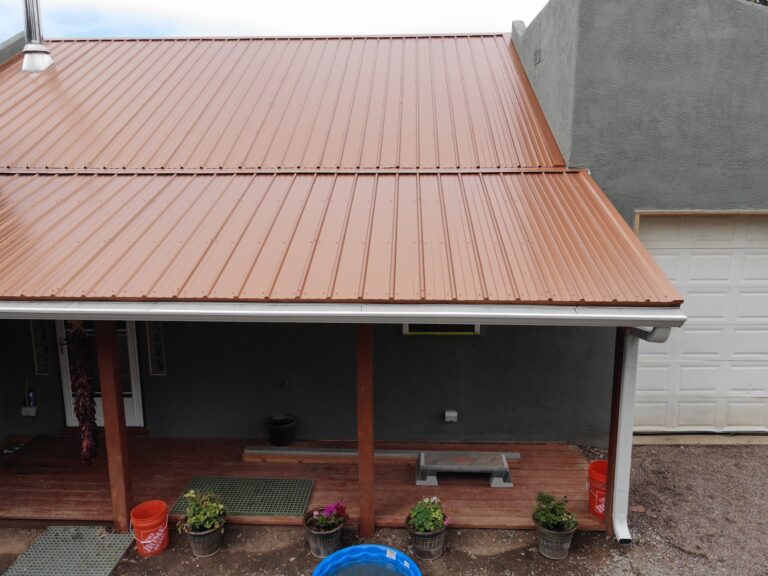
Metal Roof Installation in Albuquerque & Rio Rancho
If you are weighing your roofing options in Central New Mexico, metal roof installation deserves a serious look. Metal roofing has grown steadily in popularity across the region, and it is easy to see why. In a climate defined by relentless sun, monsoon rains, and dramatic temperature swings between seasons, few roofing materials hold up as consistently or as long as metal. Whether you own a home in Albuquerque, are building in Rio Rancho, or are replacing an aging roof in Santa Fe, understanding your options before you commit to a metal roof replacement can save you time, money, and second-guessing down the road. Here is what we will walk through:
- Why metal roofing performs exceptionally well in New Mexico’s climate
- The most common metal roofing styles and materials
- How metal compares to asphalt shingles and other roofing options
- What the installation process looks like from start to finish
- How long a metal roof lasts and what upkeep it requires
- What to look for in a qualified metal roofing contractor
Why Metal Roofing Makes Sense in New Mexico
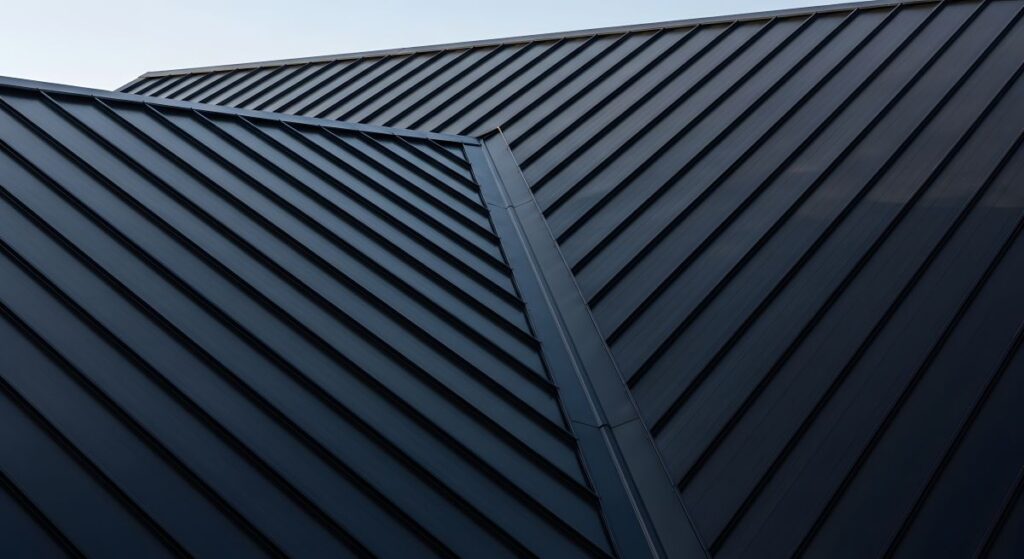
Central New Mexico puts roofing materials through a gauntlet that most other climates do not. Albuquerque receives over 280 sunny days per year, meaning UV exposure is constant and intense. Summer monsoon storms can bring heavy rain, hail, and high winds in short, powerful bursts. And while the climate trends dry, winter brings freeze-thaw cycles that stress roofing materials at seams, fasteners, and edges.
Metal roofing is engineered to handle all of it. The reflective surface of a metal roof helps deflect solar radiation, keeping attic temperatures lower and reducing cooling costs during New Mexico’s long, hot summers. Metal panels shed water quickly and efficiently, reducing the ponding and leak risk that affects many low-slope roofs in the area. And unlike asphalt shingles, metal roofing does not crack, curl, warp, or absorb moisture over time. Metal is also fire-resistant, carrying a Class A fire rating in most configurations, which matters in a state where wildfire risk is real.
For homeowners who have dealt with repeated shingle replacements or persistent leaks, a metal roof is often the last roof they ever need to install.
Common Metal Roofing Styles and Materials
Not all metal roofing is the same. The style and material you choose will affect the curb appeal of your home, the longevity of the system, and the total cost of the project. A knowledgeable roofing contractor will help you evaluate the options that make the most sense for your specific roof structure, budget, and aesthetic goals.
Standing Seam Metal Roofing
Standing seam is the most durable and widely specified metal roof system available. Vertical panels run from the ridge to the eave, with raised interlocking seams that conceal all fasteners beneath the surface. Because no fastener is exposed to weather, standing seam systems have a significantly longer lifespan and better leak resistance than exposed fastener alternatives. This is the system most commonly recommended for residential metal roofing in New Mexico.
- Concealed fasteners: No exposed screws means no fastener holes subject to UV degradation, rust, or water infiltration over time.
- Thermal movement: Panels are engineered to float and expand with temperature changes, which is especially important in New Mexico’s extreme daily temperature swings between hot afternoons and cool nights.
- Longevity: Standing seam systems commonly last 40 to 70 years with minimal upkeep, making them one of the strongest long-term roofing investments available.
Exposed Fastener Metal Panels
Exposed fastener panels, sometimes called corrugated metal roofing or R-panel roofing, are a more affordable metal roofing option commonly used on agricultural buildings, commercial properties, and some residential applications. While they cost less upfront, the exposed screws are subject to weathering over time and require periodic inspection and re-sealing to maintain a watertight metal roof.
Metal Roofing Materials Comparison
| Material | Lifespan | Weight | Best For | Key Benefit |
| Steel (Galvalume) | 40 to 70 years | Moderate | Residential and commercial | Strength, affordability |
| Aluminum | 40 to 70 years | Lightweight | Dry and coastal climates | Corrosion resistance |
| Copper | 70 to 100+ years | Moderate | Historic or premium homes | Unmatched longevity |
| Zinc | 60 to 100 years | Moderate | Architectural projects | Self-healing patina |
According to the Metal Roofing Alliance, a properly installed metal roof will not warp, crack, rot, or rust and can last 50 years or more with little maintenance required.
How Metal Roofing Compares to Asphalt Shingles and Other Options
Many homeowners in Albuquerque and Rio Rancho have spent years on a cycle of asphalt shingle repairs and replacements. Understanding how metal stacks up against the alternatives helps clarify why the upfront investment in metal roofing often makes financial sense over time.
- Lifespan: A metal roof typically lasts two to three times longer than asphalt shingles, which means fewer full replacements and lower long-term roofing costs over the life of a home.
- Energy efficiency: Metal roofing reflects solar heat rather than absorbing it, which can meaningfully reduce summer cooling costs in New Mexico’s high UV environment. The Metal Roofing Alliance estimates metal roofing can save homeowners between 10 and 40 percent on energy costs.
- Weather resistance: Metal stands up to hail damage, high winds, and monsoon rain better than most other roofing materials. A standing seam metal roof can withstand wind gusts up to 140 mph in many configurations.
- Low maintenance: Once installed correctly by an experienced metal roofing contractor, a metal roof requires very little ongoing upkeep compared to shingles, flat membranes, or tile systems. Metal also resists moss, mold, and organic growth, which eliminates a common and costly maintenance issue that plagues asphalt and wood roofing over time.
- Resale value: Metal roofing is a recognized selling point for homebuyers. According to the Metal Roofing Alliance, homeowners typically recoup 50 to 70 percent of their metal roof cost at resale, and from 1998 to 2022 the share of homeowners choosing metal at replacement grew from 3 to 18 percent of the market.
- Sustainability: Most metal roofing contains a minimum of 25 percent recycled content and is 100 percent recyclable at end of life, making it one of the most environmentally responsible roofing materials available.
6 Steps in the Metal Roof Installation Process
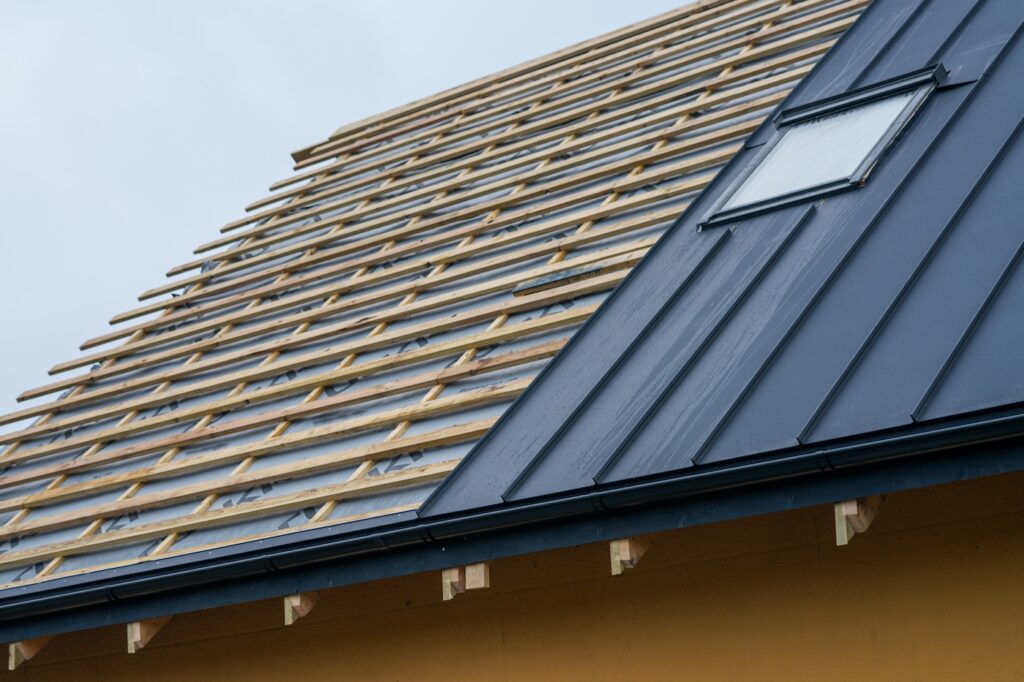
Professional metal roof installation is a detailed, multi-step process, and quality workmanship at each stage directly determines how long the finished system performs. For an average-sized home, metal roof installation takes 1 to 3 days, though factors like handling penetrations, ensuring proper ventilation, and roof complexity can affect that timeline. Cutting corners during installation is the single most common reason metal roofs underperform their expected lifespan.
- Roof assessment: A certified roof inspector evaluates the existing structure, checks for decking damage or rot, and confirms the framing can support the new metal roofing system before any materials are ordered. Metal roofing can be installed on roofs with a slope as low as 1/12 with the right panel system and seam type.
- Old roof removal or preparation: Depending on the condition of the existing roof and applicable building codes, the old roofing material may be removed or the new metal panels installed over it with appropriate furring strips.
- Underlayment installation: A high-quality synthetic underlayment is installed across the entire roof deck to provide a secondary moisture barrier and reduce noise transmission beneath the metal panels. Underlayment must overlap by at least 4 inches at all seams to maintain a continuous barrier.
- Panel fabrication and installation: Steel panels and other metal materials are measured, cut, and installed to the manufacturer’s specifications. Fasteners should be spaced every 18 to 24 inches to ensure panels are held securely without over-stressing the material.
- Flashing and trim: All edges, ridges, valleys, skylights, and roof penetrations are finished with properly fitted metal flashing and trim. Butyl tape is applied at critical seams and transitions to create a watertight seal that maintains long-term performance even under New Mexico’s temperature extremes.
- Final walkthrough: The completed installation is inspected seam by seam and fastener by fastener to confirm performance meets quality standards at every point before the job is closed out.
We are proud to serve home and business owners in Albuquerque, NM, and nearby communities including Rio Rancho and Santa Fe with professional metal roof installation, roof replacement, and roofing services and more.
How Long Does a Metal Roof Last and What Upkeep Does It Need?
One of the most compelling reasons homeowners choose a new metal roof is the lifespan. A properly installed steel or aluminum system will typically last 40 to 70 years, while premium materials like copper and zinc can exceed a century in the right conditions. Compared to the 15 to 25-year replacement cycle of asphalt shingles, metal roofing dramatically changes the long-term math on roofing costs.
Metal roof maintenance requirements are minimal but worth following consistently to protect your investment and reach the upper end of the expected service life.
- Annual inspections: A quick annual check for debris accumulation, loose flashing, and fastener condition keeps small issues from developing into costly metal roof repairs.
- Gutter cleaning: Clear gutters and downspouts allow water to exit the roof system efficiently, preventing any pooling near eaves or valleys that could stress the panel edges.
- Sealant touchups: Any exposed sealant at penetrations or trim details should be checked periodically and reapplied as needed, typically every five to ten years.
- After-storm checks: Following a significant hail event or high-wind storm, a visual check of the roof surface and flashing confirms nothing has shifted or been damaged.
- Coating inspections: On older metal roofs, the protective coating should be assessed periodically. Recoating when needed extends the roof’s service life and preserves its energy-reflecting properties.
Frequently Asked Questions About Metal Roof Installation
Metal roof installation raises consistent questions from New Mexico homeowners considering the upgrade. Here is what we hear most often, answered directly.
Is metal roofing too loud when it rains?
This is one of the most common misconceptions about metal roofing. When installed over a solid decking system with proper underlayment, a metal roof is no louder than any other roofing material. The solid substrate and insulation layer absorb sound effectively, and most homeowners report no noticeable difference in noise compared to their previous roof.
Will a metal roof make my home hotter in summer?
The opposite, actually. Metal roofing reflects solar radiation rather than absorbing it, which reduces attic temperatures and lowers cooling costs. Light-colored and reflective-coated metal panels perform especially well in New Mexico’s sunny climate. This energy efficiency is one of the primary reasons homeowners in Albuquerque and Rio Rancho choose metal over asphalt shingles.
How much does metal roof installation cost in Albuquerque?
Metal roofing costs more upfront than asphalt shingles, typically ranging from $8 to $15 or more per square foot installed depending on the material, panel style, and roof complexity. However, when spread over a 40 to 70-year lifespan with minimal maintenance costs, metal roofing is frequently the more economical choice over the long term. Cabezon Roofing provides free estimates so you have a clear, honest number before committing to anything.
Can metal roofing be installed over my existing roof?
In some cases, yes. Metal panels can be installed over an existing shingle roof when the decking is sound and local building codes permit it. A professional assessment is necessary to confirm whether your specific roof structure qualifies and whether the added weight is within acceptable structural limits.
Does metal roofing work for both homes and commercial buildings?
Yes. Metal roofing performs equally well across roofing requirements for residential homes, commercial properties, and mixed-use buildings. The profile, material, and gauge can be selected to meet the structural and aesthetic needs of any project, making it one of the most versatile systems in the roofing industry.
Cabezon Roofing: Metal Roof Installation Experts in Albuquerque and Rio Rancho
A metal roof is not just a roofing upgrade. It is a long-term decision that affects your home’s comfort, energy costs, curb appeal, and maintenance burden for decades. Cabezon Roofing is a dedicated roofing company with hands-on experience installing premium metal roofing systems across Central New Mexico, from standing seam residential metal roofs in Albuquerque to commercial metal roofing projects in Rio Rancho and beyond.
Our certified metal roofing contractors handle every aspect of the installation with quality workmanship, from the initial roof assessment through the final inspection, and we back our work with a commitment to honest advice and transparent pricing. Whether you are replacing an aging shingle roof, upgrading to metal for the first time, or exploring your options for a commercial property, we are here to make the process clear and straightforward from the first conversation to the final walkthrough.
Contact our team to schedule your free roof inspection and take the first step toward a metal roof built to last.