Metal Roof Maintenance Checklist: 8 Steps to Make It Last Longer
One of the biggest selling points of a metal roof is how little it demands from you compared to asphalt shingles or flat membranes. But low maintenance does not mean no maintenance. Following a consistent metal roof maintenance checklist is what separates a roof that reaches the top of its expected lifespan from one that develops problems years earlier than it should. In New Mexico’s climate of intense UV exposure, monsoon storms, and freeze-thaw cycles, that distinction matters more than it does for most roofing materials. If your home has a metal roofing system that you want to protect for the long term, this guide covers everything you need. Here is what we walk through:
- Why maintenance matters for metal roofs specifically
- A full 8-step checklist you can follow twice a year
- What to watch for after New Mexico storms
- When to call a professional versus handling it yourself
- How maintenance connects to warranty coverage
Why Metal Roof Maintenance Matters
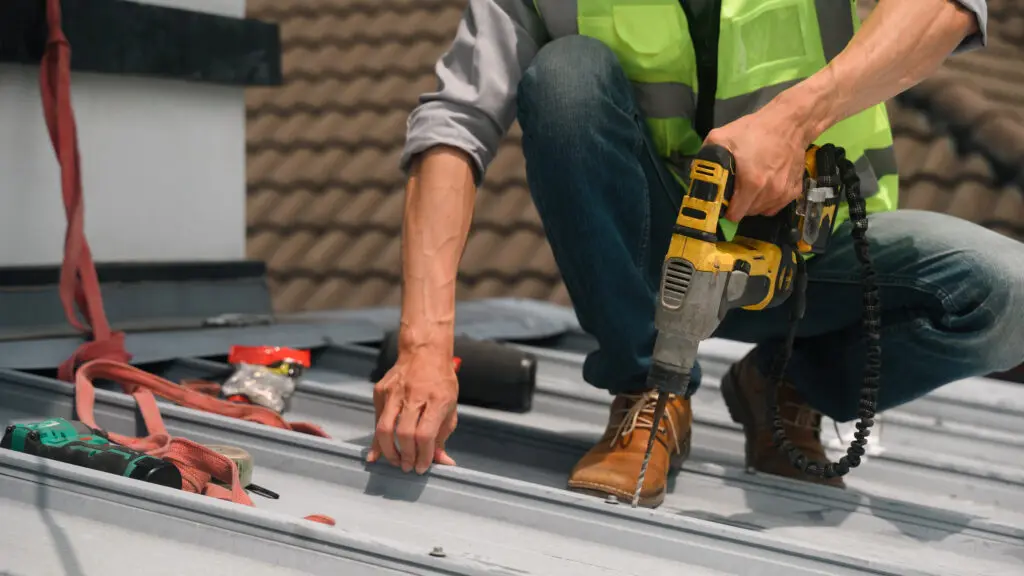
Metal roofs are engineered to last 40 to 70 years with proper care, far exceeding the 15 to 25-year lifespan of shingle roofs. But that upper end of the range does not happen automatically. According to the National Roofing Contractors Association, inspecting your roof at least twice per year, in spring and fall, with additional checks after severe weather events, is the standard recommendation for protecting your roofing investment.
In Albuquerque and Central New Mexico, those inspections are especially important before and after monsoon season. Summer storms can drive wind-borne debris against metal panels, stress flashings, and work moisture into fastener points. UV exposure at high elevation accelerates coating breakdown faster than in lower-altitude climates. Catching small issues early is the difference between a minor repair and a much larger problem.
8-Step Metal Roof Maintenance Checklist
Follow this metal roof inspection checklist twice a year — once in spring before monsoon season and once in fall after it ends. Add an extra pass after any significant storm.
1. Clear Debris From the Roof Surface
Leaves, branches, pine needles, and dirt accumulate on metal panels and in valleys over time. Debris traps moisture against the surface, which accelerates coating breakdown and can lead to corrosion at bare metal edges. Use a soft-bristle brush or leaf blower to clear the surface without scratching the finish. Never use a metal tool or pressure washer at close range on coated panels.
2. Clean the Gutters and Downspouts
Metal roofs shed water faster than other materials, which means gutters and downspouts take a higher volume of flow during rain events. Clogged gutters back water up against the roof edge and fascia, creating moisture risk at one of the most vulnerable points of any roof system. Clear all debris and flush with water to confirm drainage is flowing freely.
3. Inspect All Flashings
Flashings at chimneys, skylights, vents, walls, and roof penetrations are the most common source of leaks on any roof system, including metal. Check that all flashing is seated flat, that no edges have lifted or separated, and that sealant at transitions remains intact. In New Mexico’s temperature swings, thermal expansion can gradually work flashing loose at seams and edges over multiple seasons.
4. Check Fasteners and Seams
On exposed fastener systems, inspect each screw and washer for signs of rust, loosening, or cracked rubber washers. Rubber washers on exposed fastener metal roofs typically need replacement every 10 to 15 years, but UV exposure in Albuquerque can accelerate that timeline. On standing seam systems, check seam integrity at ridges, hips, and panel edges for any separation or lifting.
5. Look for Scratches, Chips, and Coating Damage
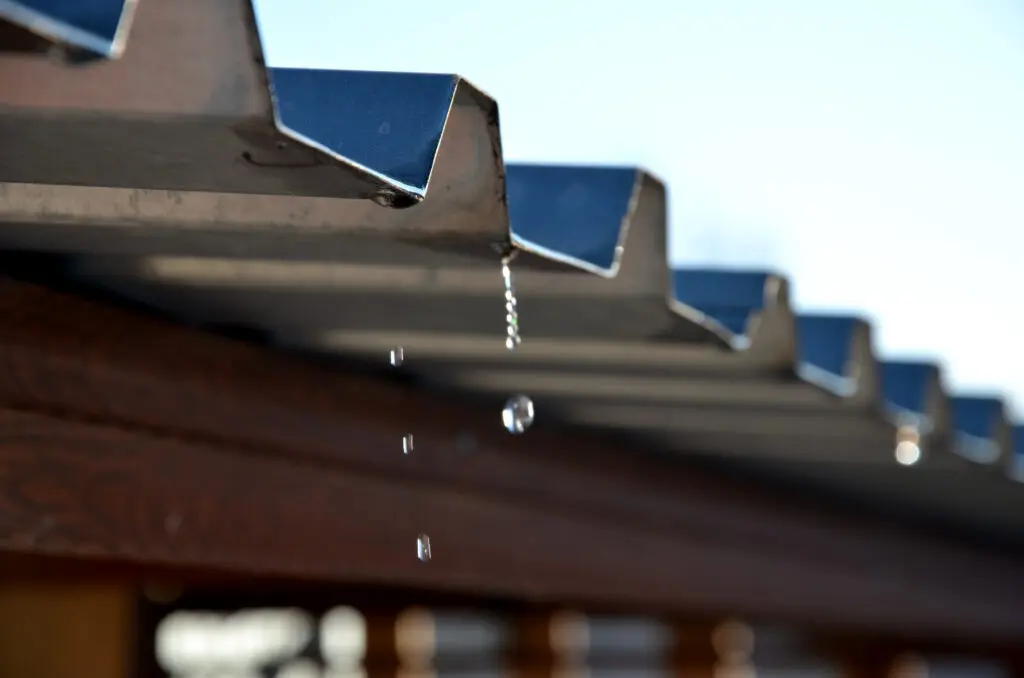
Metal roofing relies on its protective coating to resist corrosion. Scratches from wind-borne debris, branches, or foot traffic that cut through to bare metal need to be addressed with touch-up paint or sealant before rust develops. Small coating repairs are inexpensive and take minutes. Rust left untreated can spread and compromise the panel over time.
6. Inspect Pipe Boots and Penetration Seals
Rubber pipe boot collars degrade under UV exposure and should be checked at every inspection. In New Mexico’s high-UV environment, neoprene boots can begin to crack or pull away from pipes ahead of the typical 10 to 15-year replacement schedule. Any boot that is cracked, stiff, or separated from the pipe needs prompt replacement to prevent water intrusion at that penetration.
7. Check for Standing Water or Drainage Issues
Metal roofs on low-slope or flat sections can develop drainage problems if panels have shifted, debris has accumulated at drain points, or the structure has settled over time. Standing water that remains after rain puts weight on the system and can accelerate seam stress. Confirm that all low-slope sections are draining fully within 48 hours of a rain event.
8. Trim Overhanging Tree Branches
Branches that overhang a metal roof deposit debris, create abrasion risk during wind events, and give pests a path onto the roof surface. In New Mexico, monsoon season brings high winds that can turn an overhanging branch into a significant source of panel damage. Trim any branches that hang within six feet of the roof surface at least once a year.
We are proud to serve home and business owners in Albuquerque, NM, and nearby communities including Rio Rancho and Santa Fe with professional metal roof inspections, repairs, and maintenance and more.
What to Watch for After New Mexico Storms
New Mexico’s monsoon season and occasional high-wind events can cause damage that is not always visible from the ground. After any significant storm, add these specific checks to your standard inspection routine.
- Dented or dimpled panels: Hail damage on metal roofing may not cause an immediate leak but can compromise the protective coating and create rust initiation points over time. Document any impact damage with photos.
- Shifted or lifted panels: High winds can work panel edges loose at ridges and eaves. Any panel that has shifted, lifted, or partially separated at a seam needs professional re-securing before the next rain event.
- Debris impact on flashings: Wind-borne materials can dislodge or dent flashings at penetrations. Check all flashing points carefully after storms that brought significant wind gusts.
- Gutter and downspout damage: Heavy monsoon debris loads can bend gutters or disconnect downspouts. Confirm all drainage is still properly aligned and functioning after major storms.
When to Call a Professional
Most checklist items can be assessed from the ground with binoculars or from a ladder at the eave level without going on the roof. But certain situations call for a professional metal roofing contractor to get involved directly.
- Any active leak or water intrusion: If water is making it into the structure, do not wait for a scheduled inspection. Call a contractor immediately.
- Fastener replacement at scale: Replacing a handful of washers is a manageable repair, but if large sections of an exposed fastener system need attention, a professional can ensure proper torque and sealing.
- Coating or panel replacement: Sections with significant rust, deep scratches, or physical damage may need panel or coating replacement that requires professional equipment and expertise.
- Post-storm hail assessment: If a significant hail event has hit your area, a professional inspection is the most reliable way to document damage for an insurance claim and determine whether repair or replacement is warranted.
Frequently Asked Questions About Metal Roof Maintenance
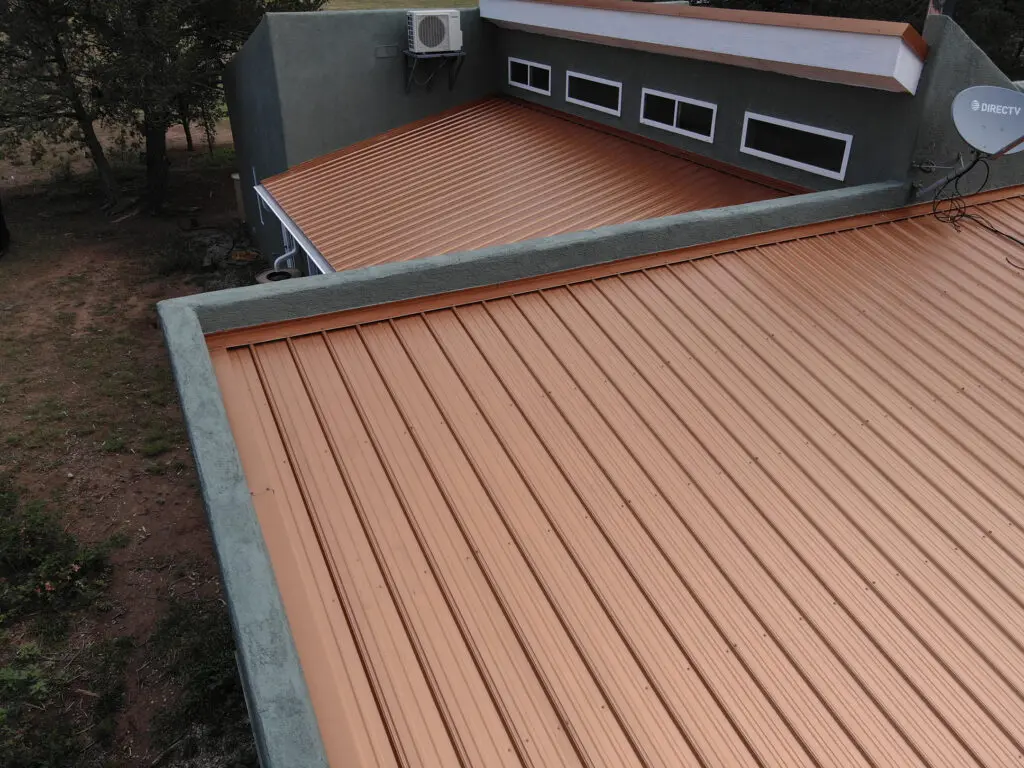
Homeowners across Albuquerque and Rio Rancho ask these questions most often when it comes to keeping a metal roof in good condition.
How often should a metal roof be inspected?
Twice per year is the standard recommendation — spring and fall — with additional checks after major storms. In New Mexico’s high-UV and monsoon-prone climate, the spring inspection before monsoon season and the fall inspection after it are both important touch points.
Can I walk on my metal roof to inspect it?
Walking on a metal roof is possible but requires care. Use soft-soled shoes, walk on the ribs of the panel rather than the flat field, and avoid putting weight on fasteners or seam areas. Many inspection tasks can be completed safely from a ladder at the eave or with binoculars from the ground. When in doubt, hire a professional.
Does maintenance affect my metal roof warranty?
Yes. Most manufacturer warranties require documented evidence of regular maintenance and professional installation of any repairs to remain valid. Damage caused by neglect or improper DIY repairs can void portions of the coverage. Keeping a log of your inspections and any work performed protects your warranty position.
How long does a properly maintained metal roof last in New Mexico?
A standing seam system installed correctly and maintained consistently can reach 50 to 70 years in New Mexico’s climate. Exposed fastener systems with regular fastener and washer maintenance typically deliver 25 to 35 years of reliable performance. The UV environment at Albuquerque’s elevation makes coating care especially important for reaching the upper end of either range.
Cabezon Roofing: Metal Roof Inspections and Maintenance in Albuquerque
A metal roof is one of the best long-term investments you can make in your home, but it performs best when it gets the attention it deserves at least twice a year. Cabezon Roofing provides professional metal roof inspections, roof maintenance service, and repairs for homeowners across Central New Mexico. Our team knows what New Mexico’s climate demands from a metal roofing system and what to look for at every stage of a roof’s service life.
We offer free estimates on all repair and maintenance work, show up on time, and give you an honest assessment of what your roof needs and what it does not.
Book your free metal roof inspection and keep your roof on track for the long haul.