
Best Chimney Flashing Materials for Your Home (2026 Guide)
Choosing the right chimney flashing material is one of the most important steps in protecting your home from water damage. In Santa Fe, where strong UV exposure, seasonal temperature shifts, and occasional heavy rain create unique challenges, selecting durable flashing materials ensures long-lasting performance at the chimney-to-roof connection. This guide outlines the best chimney flashing options for 2026 so you can make an informed decision for your roof deck, chimney structure, and overall home protection.
Here’s what we’ll cover:
- What chimney flashing does for your home
- Best flashing materials for 2026
- Climate impact and durability concerns
- How to tell when flashing needs replacement
- Repair vs replacement guidance
Making the right choice today prevents expensive moisture damage to roofing materials later.
What Does Chimney Flashing Do?
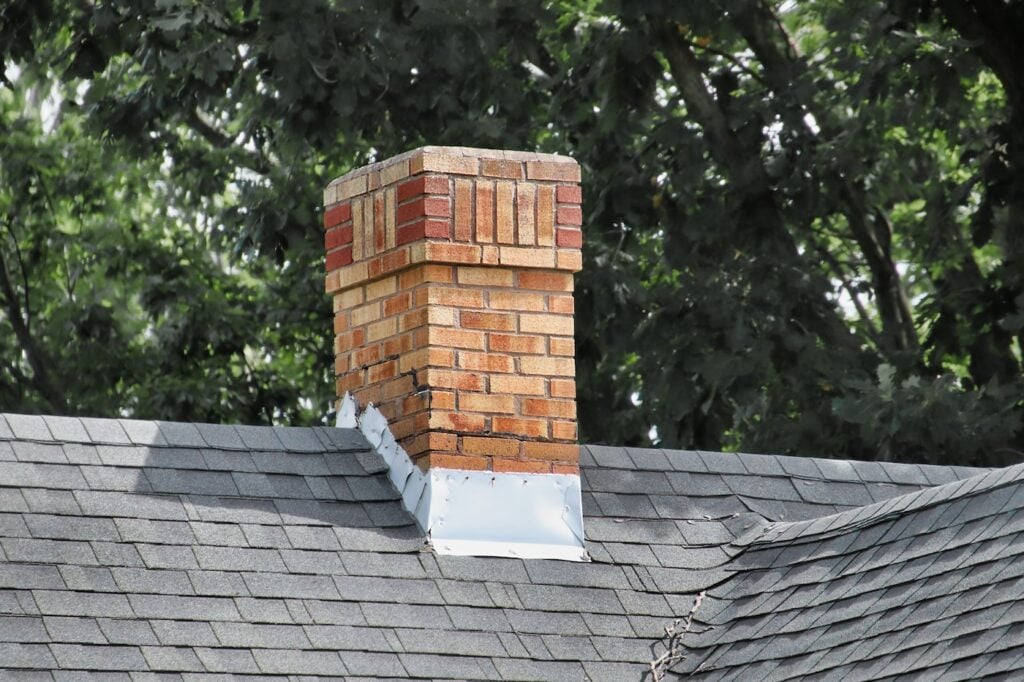
Chimney flashing forms a watertight barrier where the chimney meets the roof surface. Because chimneys create natural openings in the roof deck, flashing directs water away from vulnerable areas and prevents moisture from penetrating under the shingles or into the attic.
Why Flashing Matters
Reliable chimney flashing is essential for protecting your home’s structure, especially in regions like Santa Fe with high UV exposure and dry-to-wet seasonal transitions.
- Water diversion: Moves water away from the chimney base and siding.
- Structural protection: Reduces risk of wood rot or weakening of the roof deck.
- Leak prevention: Maintains a watertight seal during temperature-related movement.
Types of Chimney Flashing
Chimney flashing systems include several components that work together during installation.
Step Flashing
Step flashing consists of overlapping metal pieces woven into the shingles. It ensures water flows downward and off the roof without entering gaps.
Counterflashing
Counter flashing is embedded into the chimney mortar joints and overlaps the lower flashing layers. Its purpose is to shield step flashing and provide long-term weather protection.
Base Flashing
Base flashing sits at the lower portion of the chimney and forms the first layer of defense. It works with counter flashing to direct water away from the joint.
6 Best Chimney Flashing Materials for 2026
Below are the strongest and most recommended materials for chimney flashing in 2026.
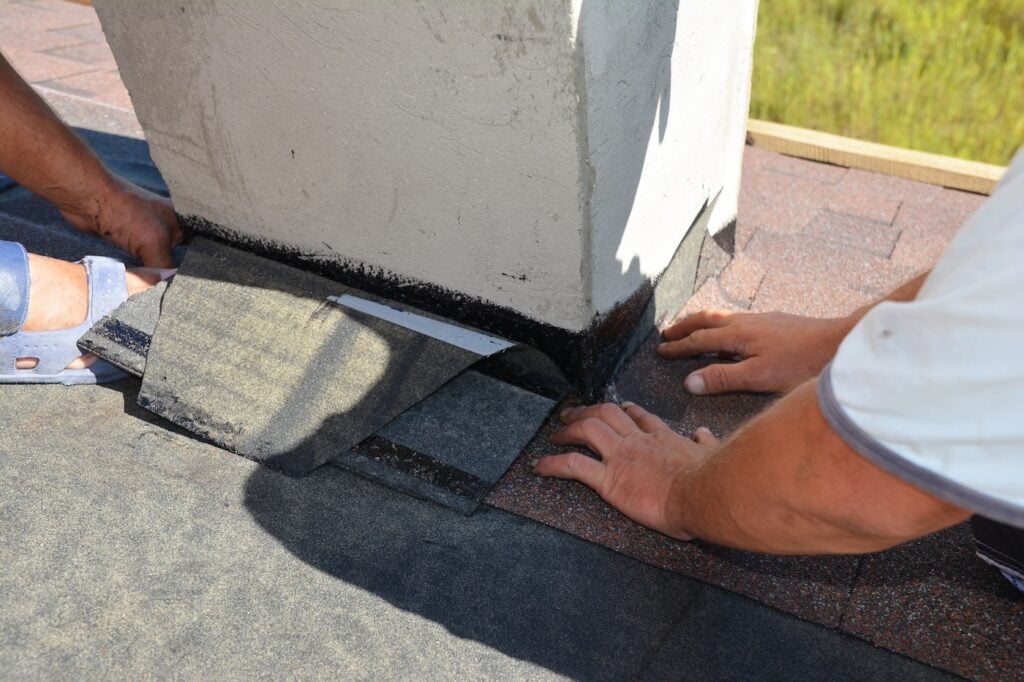
1. Aluminum Flashing
Aluminum is an affordable and lightweight option for many residential installations. It is easy to cut, bend, and shape, making access and installation straightforward for roofing contractors.
- Affordability: Good option for budget-conscious homeowners.
- Easy to work with: Cuts and bends easily during installation.
- Moderate durability: Performs well in dry climates but may oxidize more quickly in higher moisture environments.
2. Galvanized Steel Flashing
Galvanized steel is coated for rust resistance and offers strong defense against weather exposure. This material is a common choice for standard residential roofs.
- Durable surface: Resists dents, weathering, and physical impacts.
- Corrosion protection: Zinc coating improves lifespan.
- Solid value: Balances cost, performance, and security.
3. Copper Flashing
Copper is known for its longevity and visually appealing finish. Over time, it develops a protective patina that improves its resistance to the elements.
- Exceptional lifespan: Often lasts longer than the roof itself.
- Minimal maintenance: Requires little upkeep.
- Premium appearance: Enhances curb appeal significantly.
4. Lead Flashing
Lead is exceptionally flexible, allowing it to conform tightly to chimneys with unique shapes or older structures with irregular masonry lines.
- Superior flexibility: Easily molds to complex surfaces.
- Corrosion-resistant: Performs well in changing climates.
- Ideal for historic homes: Matches older architectural styles.
5. Stainless Steel Flashing
Stainless steel offers strong, modern performance and withstands extreme temperatures and UV exposure.
- Heat resistant: Ideal for Santa Fe’s climate.
- Rust protection: Maintains shape and strength over time.
- Reliable for steep roofs: Works well on complex or multi-pitch designs.
6. Synthetic Flashing Systems
Synthetic flashing combines flexible polymers with reinforced membranes to create lightweight, weather-resistant protection. It is increasingly popular for homes requiring fastened components with efficient installation.
These systems offer impressive durability without the higher cost of premium metals.
- Lightweight design: Easy to cut and maneuver around the chimney.
- UV and crack-resistant: Performs well in climates with intense sun.
- Cost-effective protection: Provides solid performance while keeping project costs manageable.
Material Comparison Table
| Material | Durability | Cost | Lifespan | Best For |
| Aluminum | Moderate | Low | 10–15 years | Budget installs |
| Galvanized Steel | High | Moderate | 20–25 years | Standard homes |
| Copper | Excellent | High | 50+ years | Premium homes |
| Lead | Very High | High | 30–50 years | Historic homes |
| Stainless Steel | Very High | Moderate–High | 25–40 years | Hot climates |
| Synthetic Systems | Moderate–High | Low–Moderate | 15–25 years | Quick installs |
How Climate Impacts Flashing Performance in Santa Fe
Santa Fe’s hot summers, cold winters, and rapid temperature shifts can cause metal flashing materials to expand and contract more frequently. Over time, this movement stresses the flashing system, especially at roof seams or where the chimney meets siding.
This matters because chimney areas are one of the most common sources of roof leaks in homes across the United States. Choosing durable materials reduces this risk and helps extend the lifespan of your roofing system.
Signs Your Chimney Flashing Needs Replacement
Your chimney flashing will eventually need attention. Keep an eye out for early warning signs.
- Visible corrosion or rust: Metal thinning, rust holes, or pitting indicate declining durability.
- Water stains on ceilings or walls: Moisture often enters near the chimney first.
- Loose or damaged flashing: Bent, lifted, or poorly fastened flashing allows water intrusion.
When to Repair vs Replace Chimney Flashing
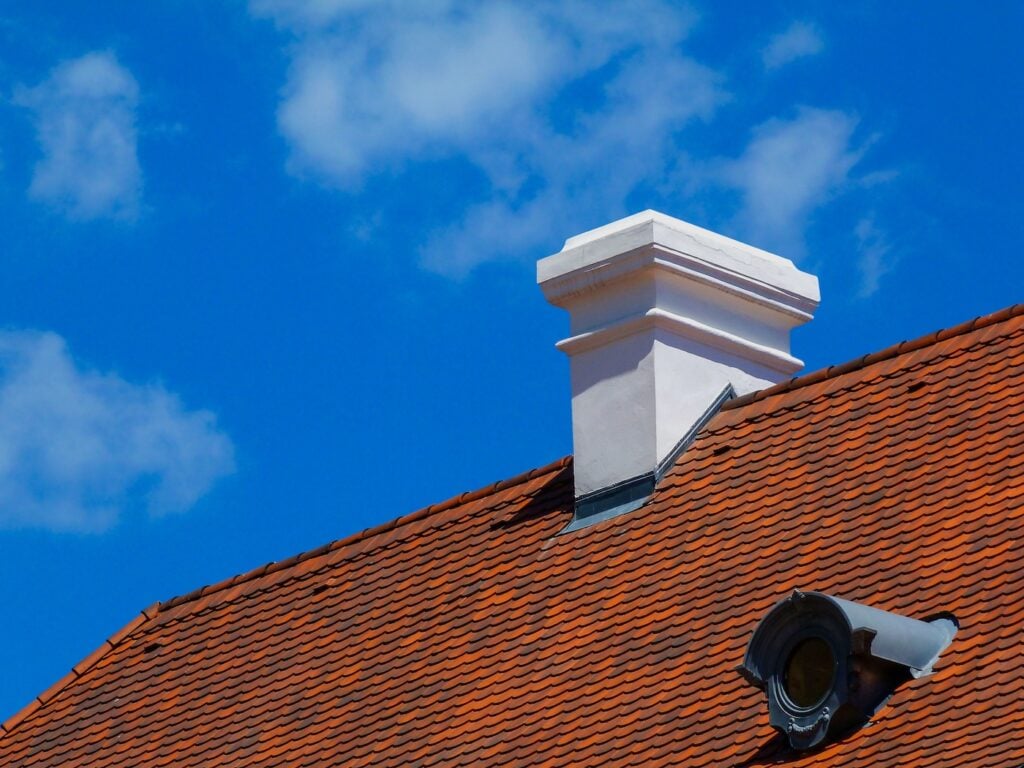
Repairs can resolve minor issues, but full replacement becomes necessary when flashing materials deteriorate beyond reliable performance.
When Repair Is Enough
Repairs are effective when the flashing remains structurally sound and can still form a watertight seal.
- Small gaps: Limited leaks that have not spread.
- Stable components: Flashing remains properly attached to mortar and roofing.
- Surface wear only: Early-stage deterioration without major cracking.
When Replacement Is Necessary
Flashing replacement ensures full protection when materials are compromised or the existing roof has widespread moisture issues.
- Significant corrosion: Structural integrity is weakened.
- Detached flashing: Counter flashing and base components no longer stay in place.
- Interior water damage: Moisture has infiltrated drywall or attic spaces.
We’re proud to serve home and business owners in Santa Fe, NM, and nearby communities with chimney flashing installation, repair, and replacement services.
Why Homeowners Trust Cabezon Roofing for Chimney Flashing Expertise
At Cabezon Roofing, we understand how critical chimney flashing is for roof security and long-term home protection. Our team evaluates your chimney design, existing roof condition, and climate exposure to recommend the best materials for lasting performance. Whether you need detailed repairs, full flashing replacement, or a complete installation during a roofing project, we deliver reliable workmanship tailored to New Mexico’s environment. Contact Cabezon Roofing today to schedule your chimney flashing inspection or estimate.


