
Commercial Roof Maintenance: 6 Common Tasks & Fixes
When managing a commercial property, staying on top of commercial roof maintenance is one of the smartest investments you can make. Commercial roofing systems face heavy wear from foot traffic, equipment loads, and weather conditions in Albuquerque, NM, making regular maintenance essential for safety and long-term performance.
• Learn which maintenance tasks protect your roof
• Understand how small issues lead to major damage
• See what professional contractors look for
• Discover common repair methods
• Know which fixes improve lifespan and efficiency
Why Routine Maintenance Matters for Commercial Roofs
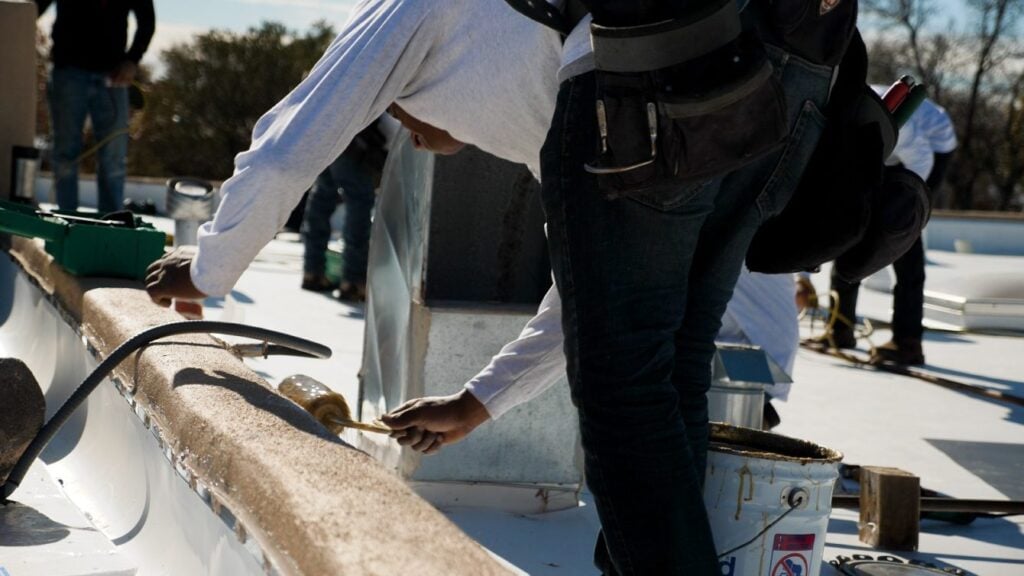
Commercial roofs require consistent care because of their size, material differences, and exposure to environmental stress. Unlike residential roofs, commercial systems often support HVAC units, drainage systems, and walkways, all of which increase the likelihood of damage if not inspected regularly.
Even seemingly minor concerns like clogged drains or cracked sealant can escalate rapidly, especially during dramatic weather changes in Albuquerque. One verified industry fact notes that regular roof maintenance can help building owners double the life of their commercial roofing system, emphasizing the importance of consistent inspections and proactive repairs.
Common Signs Your Commercial Roof Needs Attention
Commercial roofing issues start small, but catching them early prevents structural damage and costly operational interruptions.
• Ponding water: Indicates drainage problems and increases membrane deterioration.
• Cracked or lifting seams: Allows moisture to work beneath the membrane.
• Blistering: Caused by trapped air or moisture under roofing layers.
• Damaged flashing: Often leads to leaks around HVAC units or skylights.
• Debris accumulation: Adds unnecessary weight and blocks drainage pathways.
How Professionals Evaluate Commercial Roof Conditions
A commercial roof inspection includes detailed checks that go beyond surface symptoms. Inspectors study the entire system to identify weaknesses that could evolve into larger liabilities.
Membrane and seam inspection
Technicians examine the roof membrane for cuts, punctures, or signs of separation. They also assess seam integrity, as seams are one of the most common failure points in flat or low-slope roofing systems.
Drainage and gutter evaluation
Proper drainage is crucial for commercial roofs. Contractors check for clogs, ensure scuppers and gutters are clear, and inspect slope effectiveness to prevent water pooling.
Temporary vs. Long-Term Fixes for Commercial Roofs
| Repair Type | What It Includes | Best For | Timeframe |
| Temporary Repairs | Patching, sealing, or small membrane fixes | Contained leaks and minor deterioration | Same day |
| Preventive Maintenance | Cleaning, resealing, tightening fasteners | Ongoing roof performance and longevity | Scheduled intervals |
| Major Repairs | Removing damaged sections, replacing membrane areas | Significant wear or localized failures | 1–3 days |
| Roof Replacement | Full-system installation | Aging roofs nearing end of lifespan | Several days to weeks |
Weather Impacts on Albuquerque Commercial Roofs
Albuquerque’s temperature swings and intense UV exposure create expansion-and-contraction stress on roofing materials. This constant movement accelerates wear on seams, membranes, and flashing. During monsoon season, sudden heavy rainfall exposes weaknesses in drainage and sealant.
These climate patterns make consistent commercial roof maintenance essential for preventing leak development and energy efficiency loss.
Choosing the Right Contractor for Commercial Roof Maintenance
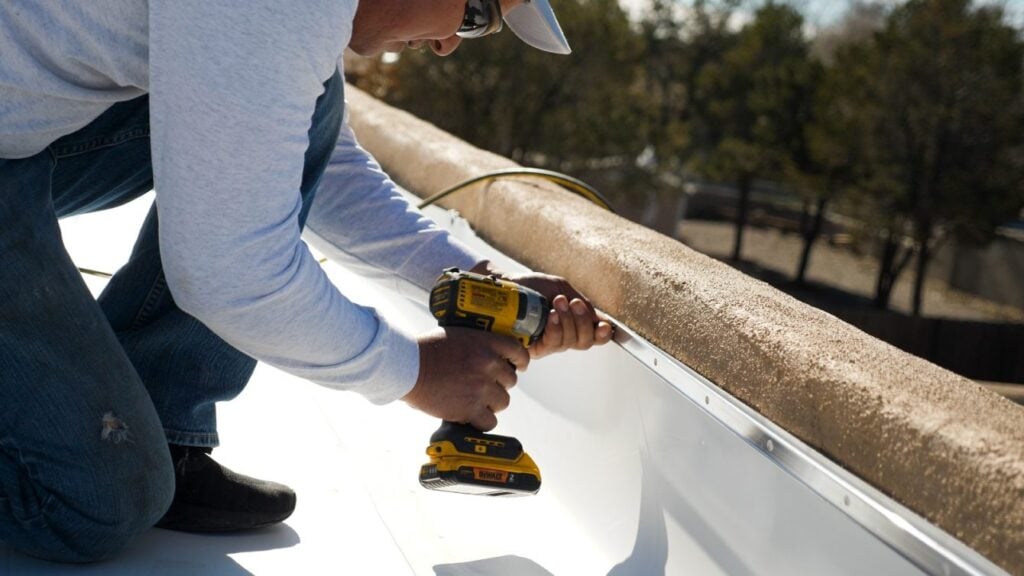
A reliable commercial roofing contractor offers expertise, communication, and detailed evaluations. Look for a professional who understands the demands of commercial buildings and the environmental challenges unique to New Mexico.
• Experience with commercial systems: Not all contractors specialize in large-scale roofs.
• Clear reporting: Photos, summaries, and repair recommendations should be standard.
• Flexible scheduling: Minimizes business interruption during maintenance.
• Proactive planning: Helps prevent emergency repairs by identifying developing issues.
6 Common Tasks & Fixes in Commercial Roof Maintenance
Before major repairs become necessary, routine tasks help protect your investment and extend the life of your roofing system. These steps represent what professionals complete during scheduled maintenance visits.
1. Cleaning and Clearing Debris
Debris buildup adds weight and disrupts proper drainage. Clearing it ensures water flows correctly and avoids premature membrane deterioration.
• Remove leaves and dirt: Prevents blockage around drains and scuppers.
• Clear loose materials: Reduces puncture risks from sharp or heavy objects.
• Sweep walkways: Helps maintain safe access for technicians.
2. Inspecting Membranes for Damage
Small tears or punctures can expand quickly under foot traffic or weather strain. Identifying them early saves on later repair costs.
• Check for cuts: Fixing small openings prevents moisture intrusion.
• Look for worn areas: High-traffic sections often show early degradation.
• Evaluate membrane flexibility: Stiff or brittle sections may require replacement.
3. Resealing Seams and Flashings
Seams and flashing edges are common leak points. Reinforcing them increases weather resistance and protects roof penetrations.
• Apply new sealant: Refreshes waterproof barriers.
• Secure loose flashing: Stops water from slipping beneath metal edges.
• Repair exposed joints: Strengthens areas around HVAC and skylights.
4. Checking Drainage Systems
Drainage failures lead to ponding water, a major threat to commercial roofing.
• Clear drains: Ensures rapid water flow during storms.
• Test scuppers: Confirms water exits the system efficiently.
• Inspect internal drains: Helps identify blockages caused by debris buildup.
5. Tightening and Replacing Fasteners
Fasteners loosen over time from vibration, weather, and thermal movement. Keeping them secure increases roof stability.
• Tighten loose screws: Helps reduce membrane shifting.
• Replace corroded hardware: Protects against water penetration.
• Check edge metal: Ensures perimeter safety during high winds.
6. Repairing Surface Blisters or Bubbles
Blisters indicate trapped air or moisture and eventually lead to membrane separation.
• Cut and reseal blisters: Removes trapped air pockets.
• Replace compromised sections: Ensures long-term waterproofing.
• Monitor for recurring issues: Helps diagnose underlying system weaknesses.
Why Commercial Roof Maintenance Protects Your Business
Consistent upkeep prevents operational disruptions, reduces long-term repair expenses, and improves overall building efficiency. Addressing issues early protects your property and extends the service life of your roof.
We’re proud to serve home and business owners in Albuquerque, NM, and nearby communities with commercial roofing maintenance and more.
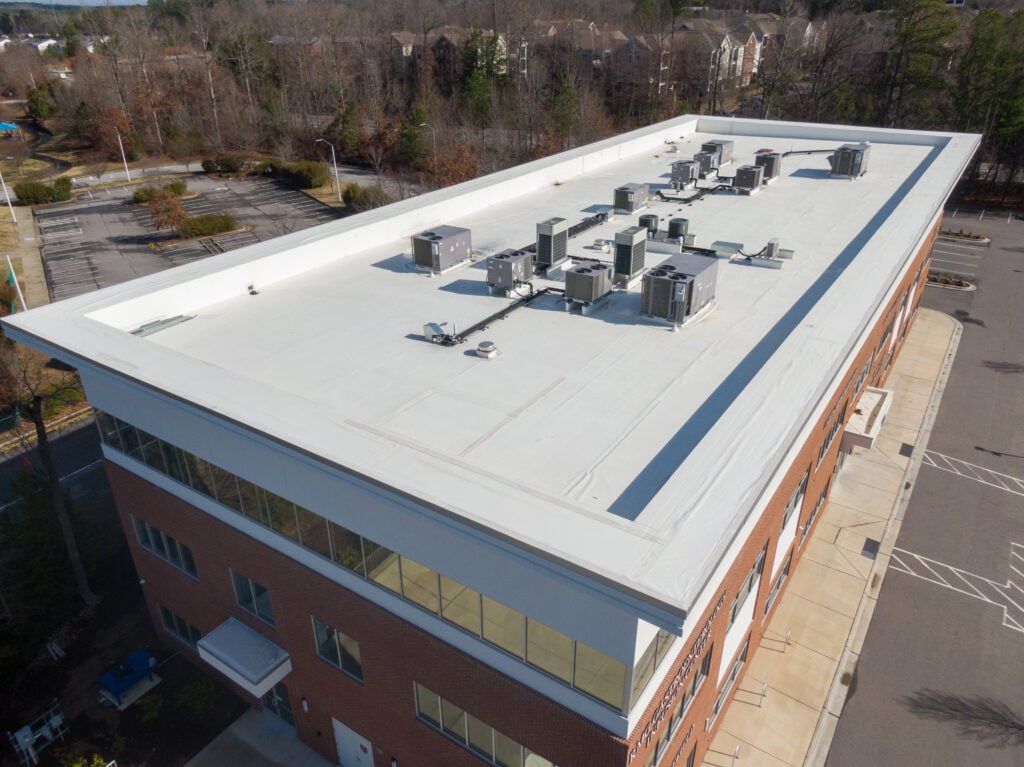
Reliable Commercial Roof Care With Cabezon Roofing
When your building needs dependable roof maintenance or repair, you deserve a contractor committed to accuracy, professionalism, and long-term protection. Cabezon Roofing provides detailed inspections, scheduled maintenance, and high-quality repairs tailored to commercial properties in New Mexico. Our team ensures your roofing system performs safely and efficiently year-round.
If your commercial roof needs maintenance, repairs, or a professional evaluation, contact Cabezon Roofing today to schedule a service appointment.

