Commercial Roofing Prices in 2026: What You’ll Really Pay
Understanding commercial roofing prices in 2026 is essential for building owners planning a roofing project or budgeting for a full roof replacement. Costs can vary widely depending on roof size, roofing material, labor costs, and the complexity of the system being installed.
If you’re comparing options, reviewing different commercial roofing systems and materials can help you understand how each option impacts cost, durability, and energy efficiency. Whether you’re managing large commercial buildings or smaller commercial flat roofs, knowing what drives pricing helps you make more informed decisions.
This guide breaks down what you can expect to pay and what factors influence the final cost.
Here’s what you’ll learn:
- Average commercial roofing costs in 2026
- Pricing per square foot by system
- Cost by roof size
- Labor and material costs
- What affects total project cost
Understanding these details helps you plan your budget more accurately and avoid unexpected expenses.
Average Commercial Roofing Prices in 2026
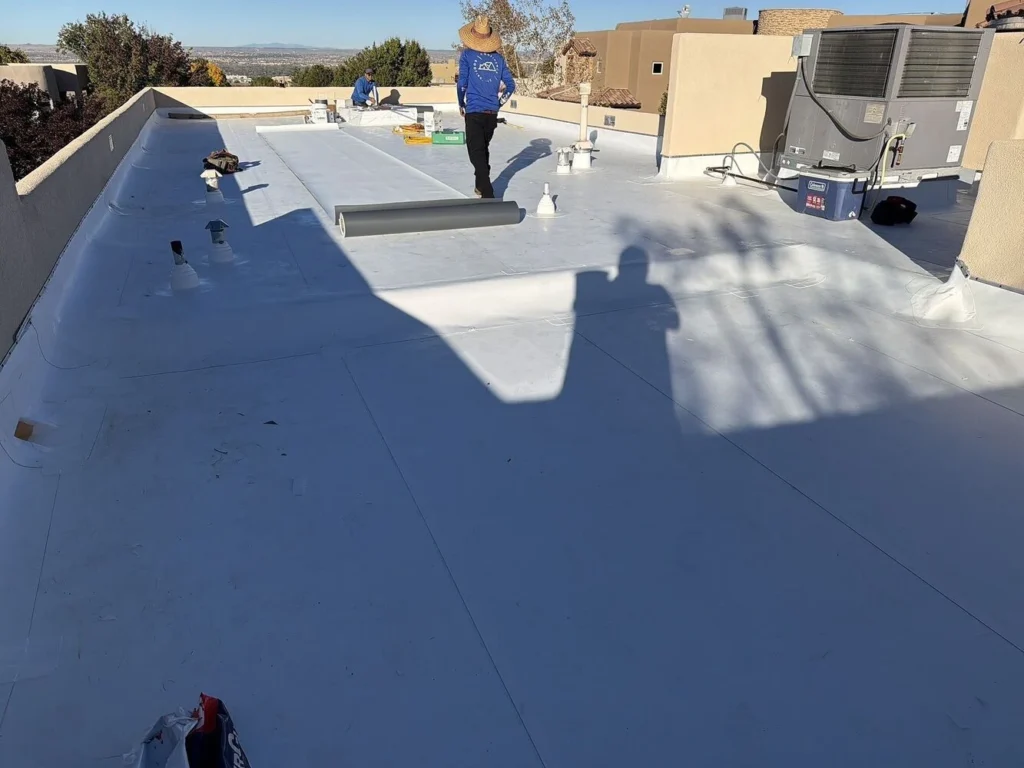
Commercial roofing prices typically range between $6 to $12 per square foot, depending on the roofing material and installation complexity. For most projects, total costs fall between $50,000 and $250,000+, especially for larger commercial buildings.
According to the National Roofing Contractors Association, construction material prices rose at a 12.6% annualized rate during the first two months of 2026 — driven by increases in oil, copper, lumber, and steel — making early planning and accurate budgeting more important than ever for building owners managing commercial roofing projects in 2026.
- Low-end range: $6–$8 per square foot for basic commercial roofing systems
- Mid-range cost: $8–$10 per square foot for standard systems
- High-end pricing: $10–$12+ per square foot for premium materials like metal roofs
Commercial Roofing Prices by System Type
Different commercial roofing systems come with different price points and performance levels. Choosing the right system depends on your building use, long-term goals, and overall roofing project requirements.
TPO Roofing Systems
TPO roofing is one of the most common choices for commercial flat roofs because it offers a balance between cost and energy efficiency. It reflects sunlight, helping reduce cooling costs for large buildings.
- Cost range: Typically $6 to $10 per square foot
- Energy efficiency: Reflective surface lowers cooling costs
- Best use case: Large commercial roofs and warehouses
PVC Roofing Systems
PVC roofing is a durable option that performs well in environments exposed to chemicals or moisture. It’s commonly used in restaurants and industrial commercial buildings.
- Cost range: Typically $7 to $12 per square foot
- Durability level: Strong resistance to moisture and chemicals
- Longevity: Long-lasting with proper maintenance
EPDM Roofing Systems
EPDM is a flexible rubber roofing material that performs well in different climates. It’s commonly used on low slope commercial roofs due to its adaptability.
- Cost range: Typically $6 to $9 per square foot
- Flexibility: Expands and contracts with temperature changes
- Maintenance needs: Requires periodic inspection
Built-Up Roofing (BUR)
Built-up roofing systems use multiple layers to create a durable, protective surface. These are often found on older commercial roof structures or buildings that require added strength.
- Cost range: Typically $8 to $12 per square foot
- Layered system: Multiple plies increase durability
- Best use: High-traffic commercial roofing systems
Metal Roofing
Metal roofs are a premium commercial roofing option known for durability and long lifespan. While the upfront commercial roof replacement cost is higher, they provide excellent long-term value.
- Cost range: Typically $10 to $18+ per square foot
- Lifespan: Can last 40–70 years
- Durability: Resistant to weather and impact
Commercial Roofing Prices by Roof Size
Roof size is one of the biggest factors affecting total cost because it directly impacts both labor and material requirements. Larger commercial roofs require more coordination and resources.
- 10,000 sq ft roof: $60,000 – $120,000
- 20,000 sq ft roof: $120,000 – $240,000
- 50,000+ sq ft roof: $300,000 – $600,000+
These estimates can vary depending on system type, building layout, and accessibility of the existing roof.
5 Factors That Affect Commercial Roofing Prices
Several variables influence the final cost of a commercial roofing project. Understanding these helps you evaluate estimates and make better financial decisions.
1. Roof Size and Complexity
The size and layout of your commercial roof play a major role in determining cost. Larger roofs and more complex designs require additional materials and labor.
- Material volume: Larger roof size increases material usage
- Obstructions: HVAC systems and vents add labor time
- Design complexity: Multi-level commercial roofs cost more
2. Roofing Material Selection
The roofing material you choose affects both upfront cost and long-term performance. Higher-end commercial roofing systems typically cost more but provide better durability.
- Material costs: Vary widely depending on system type
- Performance level: Premium materials last longer
- Long-term value: Reduces future roof replacement needs
3. Labor and Installation Costs
Labor costs are a significant portion of commercial roofing prices and vary based on region and contractor experience. Hiring experienced commercial roofing contractors ensures proper installation and long-term reliability.
- Labor costs: Vary based on location and demand
- Project difficulty: Complex roofs increase installation time
- Crew experience: Impacts overall project quality
4. Existing Roof Condition
The condition of the existing roof can significantly impact cost. If damage is present, additional work will be required before installing a new system.
- Tear-off costs: Removing old roofing material adds expense
- Preparation work: Required for proper installation
5. Energy Efficiency and Upgrades
Energy efficiency upgrades can increase upfront costs but reduce long-term operating expenses. Many commercial roofing systems are designed to improve building performance.
- Insulation upgrades: Improve efficiency and comfort
- Reflective materials: Lower cooling costs
- Compliance needs: May be required for building codes
Additional Costs to Consider
Beyond installation, several additional expenses can affect total project cost. Planning ahead helps prevent budget surprises.
- Permits and inspections: Required for most commercial roofing projects
- Drainage systems: Important for commercial flat roofs
- Protective coatings: Extend roof lifespan
- Maintenance plans: Preserve long-term performance
How to Save Money on Commercial Roofing
Managing costs effectively means balancing upfront investment with long-term value. Strategic decisions can reduce overall expenses without sacrificing quality.
- Compare estimates: Review multiple bids from contractors
- Choose the right system: Match roofing material to building needs
- Plan timing: Schedule during slower seasons
- Invest wisely: Quality materials last longer
Why Commercial Roofing Prices Vary So Much
Commercial roofing prices vary because every commercial building has different requirements. Factors like roof size, system type, labor costs, and material costs all influence the final price.
Understanding these differences helps building owners plan effectively and make better decisions for their roofing project.
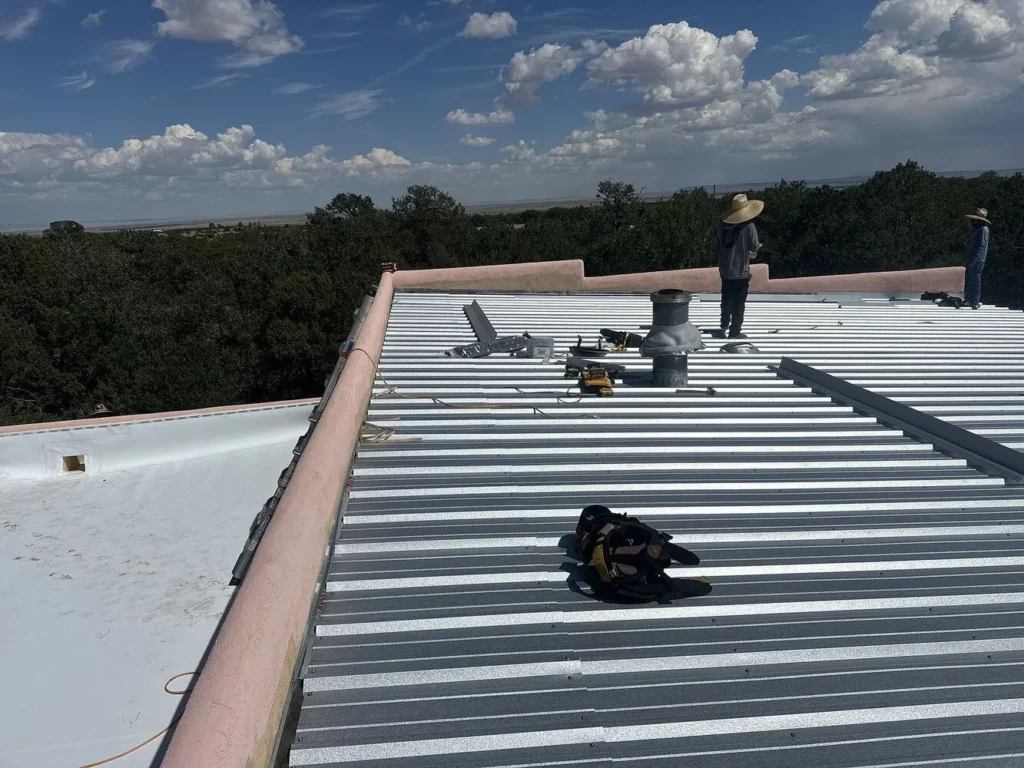
Get a Commercial Roofing Estimate
At Cabezon Roofing, we help building owners understand their options and plan roofing projects with confidence. Our team provides detailed estimates based on your building size, roofing material, and project goals.
Whether you’re planning a roof replacement or upgrading an existing roof, getting a clear breakdown of costs helps you make the right decision.
Request a commercial roofing estimate to get pricing tailored to your building and project needs.