
Emergency Hail Damage Roof Repair: Immediate 7 Steps to Take
When a storm hits your neighborhood, dealing with hail damage roof repair quickly becomes one of the most important tasks for protecting your home. Hail damage roof repair is especially urgent in a place like Santa Fe, NM, where storms often arrive in clusters and can create severe impact points across your roof. In many cases, hail affects everything from asphalt shingles to metal flashing, making prompt assessment even more critical.
• Understand how hail damages a roof
• Learn what signs indicate serious issues
• Follow a structured set of response steps
• Know how inspections and repairs work
• Get clarity about insurance and documentation
Why Immediate Action Matters After a Hailstorm
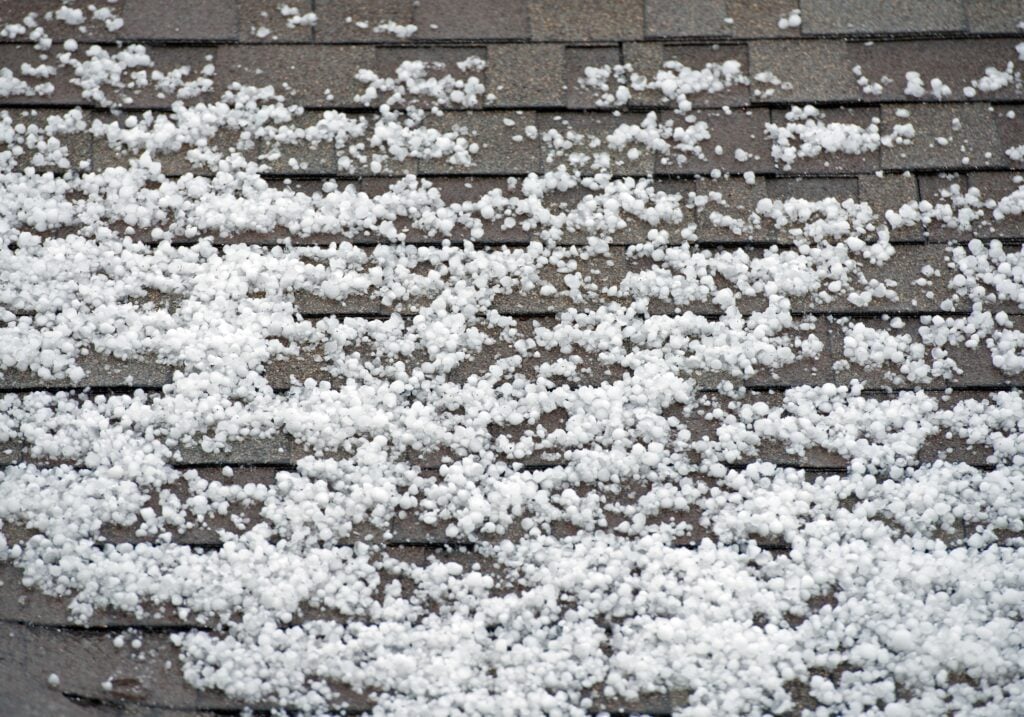
Hailstorms can weaken roofing materials even when damage is not immediately visible. Small impacts remove protective granules, crack tiles, dent metal, and create pathways for moisture to enter your home. Acting promptly prevents interior damage, protects insulation, and reduces the risk of costly long-term repairs.
Insurance timelines also matter. Many companies require quick reporting and documentation to confirm that the storm created the damage. One verified fact shows that more than 60% of homeowners who experience hail damage ultimately require a full roof replacement, highlighting how vital it is to take the right steps from the very beginning.
Common Signs of Hail Damage on Your Roof
Homeowners in Santa Fe often see varying levels of roof hail damage due to the city’s elevation and intense summer storms. Damage may show up on asphalt shingles, tiles, metal panels, and surrounding exterior features.
• Granule loss: Exposed asphalt accelerates aging.
• Soft spots: Indicate bruising or shingle fractures.
• Cracked tiles: Often caused by direct impact from large hailstones.
• Dented metal flashing: Weakens water-flow management around penetrations.
• Gutter debris: Dislodged roofing material suggests material loss.
How Roofers Evaluate Hail Damage
Roofing professionals perform a multi-layered assessment to understand the full scope of storm damage. A trained roofing contractor examines both surface-level and hidden issues to determine whether repairs or a roof replacement may be necessary.
Shingle and tile assessment
Experts look for bruising, granule wear, cracks, or displacement on asphalt shingles and tiles. These problems shorten the roof’s lifespan and affect water shedding.
Underlayment and decking inspection
Damage beneath the surface is often more serious. Moisture intrusion, soft decking, and punctured underlayment may require structural repairs to protect the home.
Temporary vs. Permanent Repair Options
| Repair Type | What It Includes | Best For | Timeframe |
| Temporary Repairs | Tarping, sealing, patching | Active leaks and immediate protection needs | Same day |
| Minor Permanent Repairs | Replacing damaged tiles or shingles | Localized hail impacts | 1–2 days |
| Full Replacement | Installing a new roofing system | Widespread or severe storm damage | Several days to a week |
Choosing the Right Contractor for Hail Damage Repair
A trusted roofing expert ensures accurate damage assessment and high-quality repairs. Homeowners should choose a roofing contractor who understands Santa Fe’s roofing styles, storm patterns, and insurance documentation needs.
• Local experience: Increases accuracy in diagnosing hail-specific roof failure.
• Insurance claim support: Helps provide photos and documentation for your insurance company.
• Transparent communication: Ensures you understand repair options and pricing.
• Emergency availability: Quick response prevents additional interior damage.
7 Critical Steps to Take After Hail Damages Your Roof
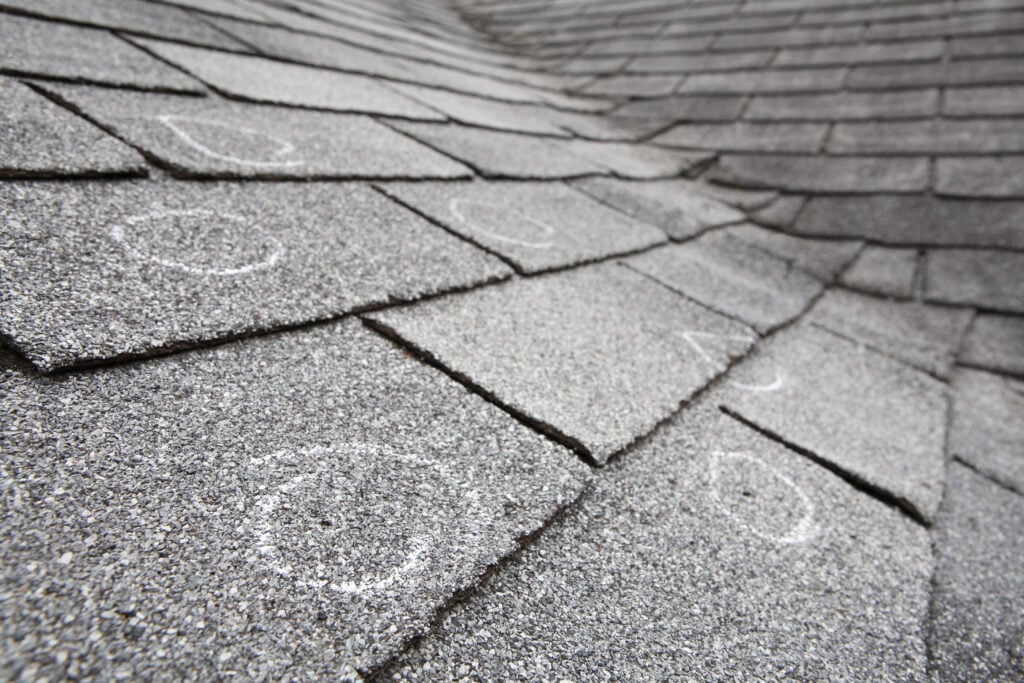
Before diving into detailed repairs or insurance claims, these steps help protect your home, your safety, and the success of your claim. Each step builds on the previous one to guide homeowners through a logical and effective storm-response plan.
1. Safety First: Keep Yourself Out of Harm’s Way
Never climb onto a roof after a storm. Roof surfaces may be unstable, slippery, or structurally weakened. Prioritizing safety prevents injury while still allowing you to assess damage from the ground.
• Avoid roof access: Hidden fractures or loose materials can cause falls.
• Watch for debris: Broken branches and sharp objects may surround your home.
• Identify electrical hazards: Downed lines or wet outlets should be left untouched.
2. Document Everything: Build a Strong Insurance Record
Accurate documentation is critical for hail-related claims. Insurance carriers rely on high-quality evidence to validate damage severity and storm timing.
• Take photos and videos: Capture wide shots and close-ups of damage.
• Record timestamps: Helps connect the damage directly to the storm event.
• Save physical debris: Broken shingles or tiles support your claim.
3. Protect Interior Spaces: Stop Water Before It Spreads
Once hail creates an entry point, water can travel through ceilings and walls. Protecting interior spaces early reduces repair costs and limits secondary damage.
• Place buckets under drips: Prevents ceiling and flooring damage.
• Move valuables: Protect furniture, electronics, and irreplaceable items.
• Use interior tarping: Shields exposed areas short-term.
4. Check Exterior Components: Look Beyond the Roof
Exterior damage helps confirm the severity and direction of the storm. It also helps roofing professionals understand how the storm affected your home.
• Check gutters and downspouts: Dents indicate roof-level impacts.
• Inspect siding and windows: Chips or cracks correspond with hail direction.
• Review outdoor equipment: HVAC units and fencing often show strike marks.
5. Call a Local Roofing Professional: Get a Complete Evaluation
A professional roof inspection identifies hidden issues and provides the documentation you may need to communicate with your insurance company.
• Request a detailed inspection report: Should include photos, notes, and measurements.
• Confirm licensing and insurance: Ensures proper coverage during repairs.
• Ask about storm restoration experience: Not all roofers specialize in hail events.
6. File Your Insurance Claim: Start the Process Promptly
Filing early helps prevent delays, especially after large storms when adjusters receive high volumes of claims.
• Submit all documentation: Include photos, your roofer’s report, and notes.
• Schedule the adjuster inspection: Your roofer may join to help clarify findings.
• Keep communication records: Emails and claim numbers support follow-up.
7. Schedule Temporary Repairs: Prevent Further Damage
Temporary protection is important while waiting for approval or materials for long-term repairs.
• Tarp exposed areas: Provides immediate defense against rain.
• Seal minor openings: Reduces risk of new leaks.
• Monitor interior changes: Report any new moisture to your roofer promptly.
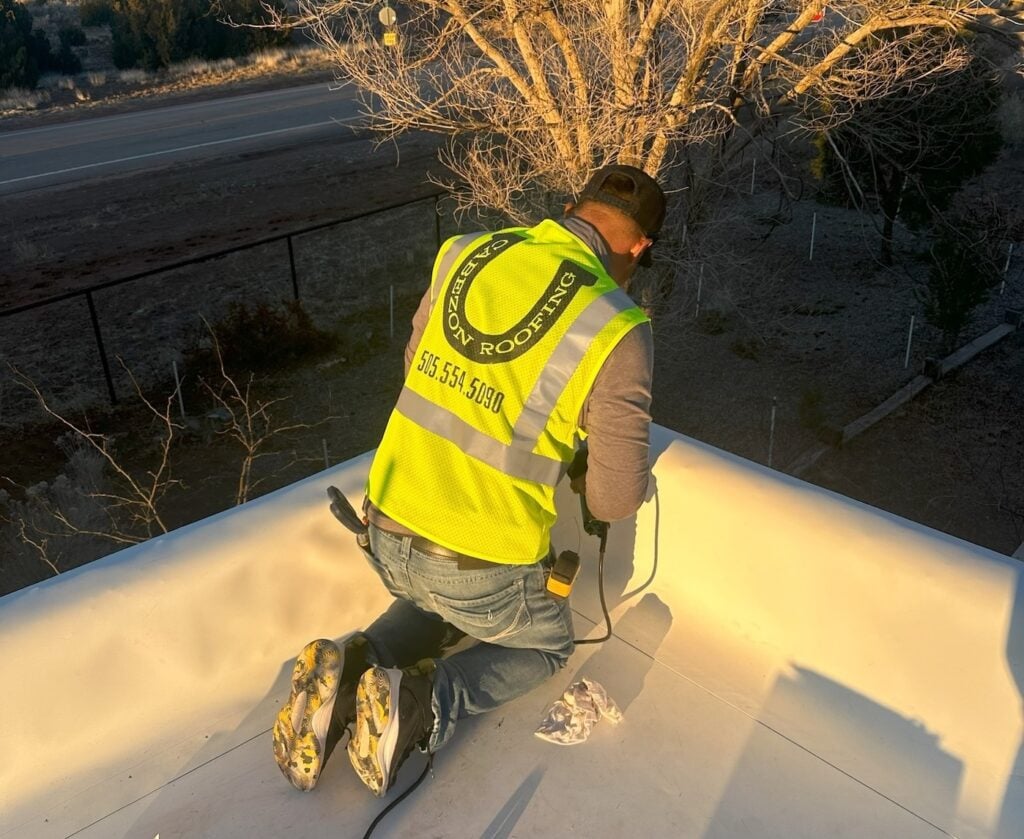
Reliable Roof Repair Solutions With Cabezon Roofing
When your roof needs attention, you deserve a roofing team that prioritizes accuracy, craftsmanship, and dependable service. Cabezon Roofing provides thorough roof inspections, high-quality repairs, and long-lasting solutions for homes across New Mexico. Whether you’re dealing with leaks, damaged shingles, aging materials, or general wear from the elements, our team ensures your roof is restored with care and precision.
If your roof needs professional repair or evaluation, contact Cabezon Roofing today to schedule a trusted, local roof inspection and get your home protected again.


