How Long Does a Roof Last in New Mexico?
Understanding how long does a roof last is important for homeowners in New Mexico, where intense sunlight, temperature swings, and seasonal storms can shorten the lifespan of roofing systems. While many roofs are designed to last decades, the actual lifespan depends on materials, installation quality, and environmental exposure. In most cases, a roof in New Mexico lasts between 15 and 50+ years, depending on the material and how well it is maintained. Knowing what to expect helps you plan ahead and avoid unexpected replacement costs.
Here’s what this guide covers:
- Average roof lifespan by material
- How New Mexico’s climate impacts longevity
- Signs your roof may be failing
- Factors that affect durability
- Tips to extend your roof’s life
Understanding these factors helps you protect your home and get the most value from your roof.
Average Roof Lifespan by Material
Different roofing materials have different lifespans, especially under New Mexico’s climate conditions.
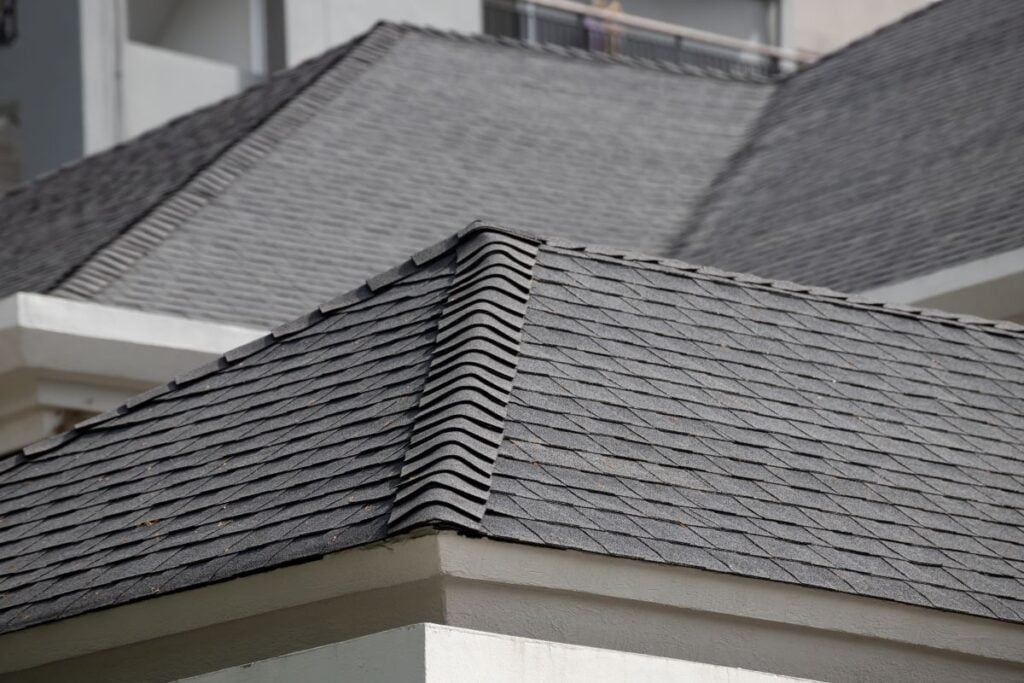
Asphalt Shingles
Asphalt shingles are the most common roofing material, but they tend to wear faster under constant sun exposure.
- Lifespan: 15 to 30 years
- Best for: Budget-friendly homes
- Note: Architectural shingles typically last longer than basic options
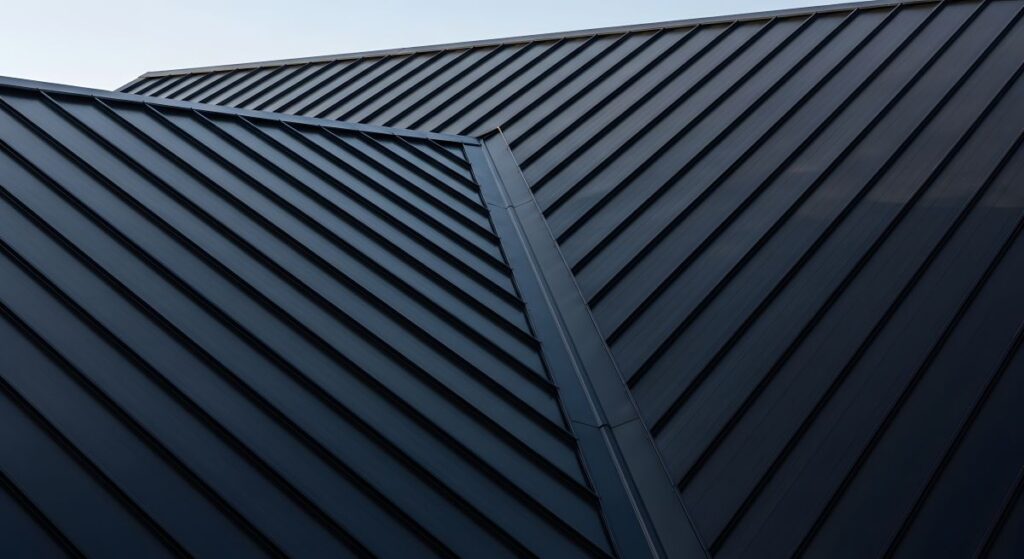
Metal Roofing
Metal roofs are one of the most durable options available and perform well in hot climates.
- Lifespan: 40 to 70 years
- Best for: Long-term durability
- Benefit: Reflects heat and resists UV damage
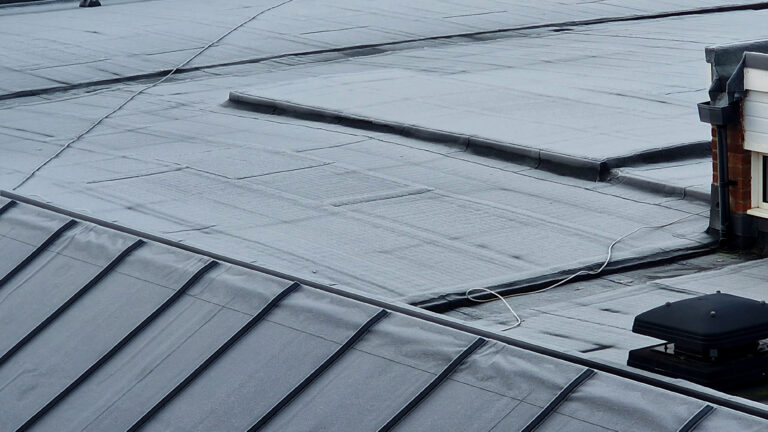
Flat Roofing Systems
Flat roofs are common on modern homes and require specific materials to perform well.
- Lifespan: 15 to 30 years
- Best for: Low-slope roofs
- Note: Often use foam coatings or membrane systems in New Mexico
How New Mexico’s Climate Affects Roof Lifespan
New Mexico presents unique environmental conditions that can shorten how long a roof lasts compared to other regions.
Intense Sun Exposure
UV rays break down roofing materials over time. This is one of the main reasons asphalt roofs may not reach their full lifespan.
Temperature Swings
Large differences between daytime and nighttime temperatures cause expansion and contraction, which can weaken materials.
Wind and Storms
Strong winds and seasonal storms can loosen shingles, damage flashing, and create entry points for water.
Low Moisture but Sudden Rain
Although the climate is dry, occasional heavy rain can expose weaknesses in aging roofs.
Signs Your Roof May Be Near the End of Its Life
Recognizing early warning signs can help you avoid costly damage and plan for replacement at the right time. Addressing these issues early can prevent more serious structural problems.
Missing or Damaged Shingles
Damaged shingles are one of the earliest indicators that your roof is wearing out. Over time, exposure to sun and weather weakens their ability to protect your home.
- Cracked or curling shingles
- Missing sections exposing underlayment
- Loose or displaced materials
Frequent Roof Leaks
Recurring leaks usually mean the roofing system is no longer sealing properly. Small leaks can quickly turn into larger issues if left unaddressed.
- Water stains on ceilings or walls
- Dripping during rainstorms
- Moisture in attic spaces
Visible Wear and Aging
Aging roofs often show clear visual signs that materials are breaking down. This type of wear typically worsens over time.
- Fading or discoloration
- Granule loss on shingles
- Surface deterioration
Sagging or Structural Issues
Sagging areas can indicate deeper structural problems beneath the surface. This is often a sign of moisture damage or weakened support.
- Uneven roof lines
- Soft spots when walking on the roof
- Visible dips or depressions
Increased Energy Bills
A failing roof can reduce insulation performance and allow heat to enter your home. This can make your HVAC system work harder.
- Higher cooling costs in summer
- Inconsistent indoor temperatures
- Reduced energy efficiency
6 Factors That Affect Roof Lifespan
Even roofs made from the same material can last very different lengths of time depending on conditions.
1. Installation Quality
Proper installation is critical to long-term performance.
- Poor sealing can lead to leaks
- Weak flashing can fail over time
- Misalignment reduces durability
2. Roof Pitch and Design
Roof pitch plays a key role in how water drains and how much stress materials experience.
- Steeper roofs: Better water runoff and longer lifespan
- Low-slope roofs: More exposure to standing water
3. Material Quality
Higher-quality materials generally last longer and perform better.
- Thicker shingles resist wear
- Reinforced systems handle stress better
4. Ventilation
Proper airflow helps regulate temperature and prevent moisture buildup.
5. Maintenance Frequency
Routine care helps extend lifespan.
- Inspections
- Cleaning debris
- Fixing minor issues early
6. Weather Exposure
Roofs exposed to extreme sun, wind, and storms will wear faster.
How to Extend the Life of Your Roof
Proper maintenance can significantly extend how long your roof lasts.
- Schedule regular inspections to identify issues early
- Clean gutters and remove debris to prevent water buildup
- Fix minor damage quickly before it worsens
- Ensure proper ventilation to reduce heat stress
These steps help protect your investment and delay replacement.
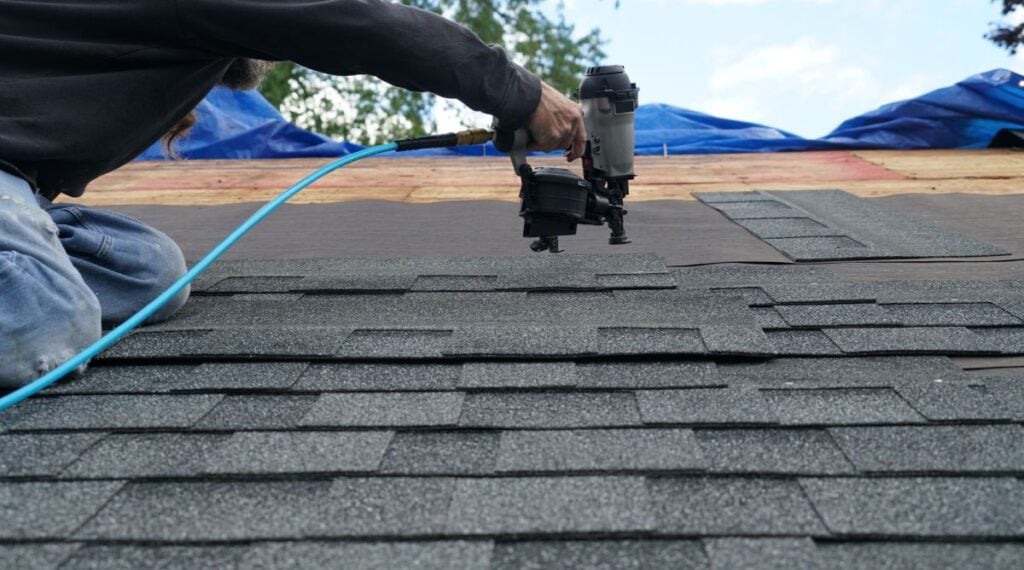
When Replacement Is Worth It
Replacement is the better choice when issues are widespread or the roof is nearing the end of its lifespan.
- Recurring leaks across multiple areas
- Aging roof nearing end of lifespan
- Widespread damage affecting performance
A professional inspection can help determine the most cost-effective solution.
Why Roof Lifespan Matters
Understanding how long a roof lasts helps homeowners plan for future expenses and avoid emergency situations. Replacing a roof at the right time prevents interior damage and protects the structure of your home.
A well-maintained roof also improves energy efficiency and supports long-term property value.
We’re proud to serve homeowners across New Mexico with reliable roofing services and expert guidance.
Schedule a Roof Inspection with Cabezon Roofing
At Cabezon Roofing, we help homeowners evaluate roof condition and estimate remaining lifespan. Our team provides detailed inspections and honest recommendations based on your roof’s age, materials, and environment.
Contact Cabezon Roofing today to schedule an inspection and find out how long your roof is expected to last.