
Installing a Metal Roof Over Shingles: 8 Pros & Cons
Installing a metal roof over shingles is a popular option for homeowners looking to upgrade durability without the time and cost of a full tear-off. In Albuquerque, where intense UV exposure, temperature swings, and seasonal storms can accelerate roof wear, a new metal roof offers a strong, energy-efficient alternative to traditional asphalt shingles. However, installing it over an old roof comes with both advantages and limitations that should be carefully evaluated before moving forward.
Here’s what we’ll cover:
- How metal roofing works over shingles
- Key benefits and potential drawbacks
- Installation methods and structural considerations
- Cost comparisons and long-term value
- When this option makes sense for your home
Understanding both the short-term savings and long-term performance helps you make a more confident roofing decision and avoid costly surprises later, especially when planning a roof replacement.
Can You Install a Metal Roof Over Shingles?
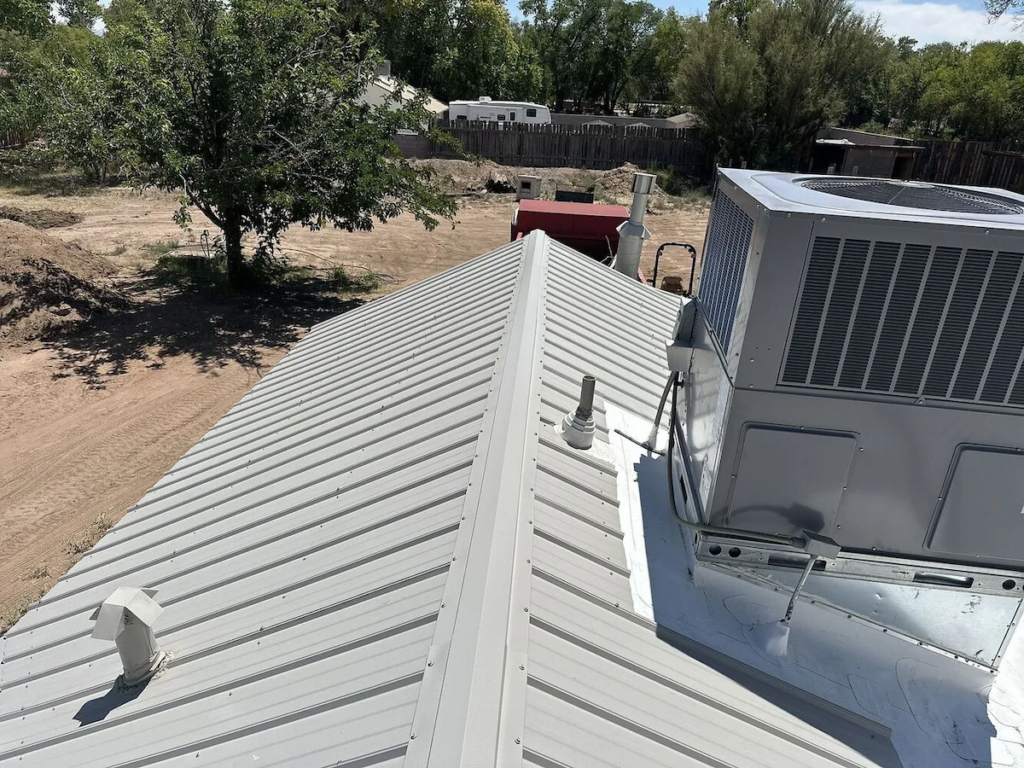
In many cases, installing a metal roof over an existing shingle roof is allowed and practical. Local building codes in New Mexico often permit a second roofing layer if the structure is sound and the asphalt shingles are stable. This method can reduce labor costs and simplify the installation process, but it requires proper evaluation to avoid long-term issues.
Structural Considerations
The roof structure must be strong enough to support an additional layer without stress or sagging. Contractors inspect the roof deck and framing to confirm stability before a metal roof is installed. Any weak areas should be repaired to ensure long-term performance and prevent structural strain over time.
Surface Preparation
Shingles must be flat, secure, and free of major damage before installing metal panels. An uneven surface can affect alignment, drainage, and overall performance if not corrected. Proper preparation ensures the new metal roof sits evenly and functions as intended.
8 Pros & Cons of Installing a Metal Roof Over Shingles
Below are the most important advantages and drawbacks homeowners should consider before choosing this installation method.
- Reduced labor costs: Skipping tear-off lowers overall installation expenses and disposal fees.
- Faster installation time: Projects are completed more quickly without removing the old roof.
- Less landfill waste: Keeping shingles in place reduces environmental impact.
- Added insulation layer: Existing shingles can provide slight thermal and sound insulation benefits.
- Potential moisture trapping: Improper installation can trap moisture between layers.
- Surface irregularities: Uneven shingles may affect metal panel alignment and performance.
- Inspection limitations: Underlying damage may go unnoticed without removal.
- Building code restrictions: Some homes may not meet requirements for a second layer.
Installation Methods for Metal Over Shingles
There are two main ways contractors approach the installation process when placing a metal roof over existing shingles. The method you choose affects airflow, durability, and long-term performance.
Direct-to-Shingle Installation
This method places metal panels directly over the existing shingles, making it the fastest and most cost-effective option. It works best when the current roof is in good condition and free of issues like poor ventilation or trapped moisture.
- Lower upfront cost: Fewer materials and less labor required.
- Faster timeline: Ideal when a quick solution is needed.
- Reduced ventilation: Limited airflow can contribute to heat buildup over time.
Furring Strip Installation
Furring strips create a raised framework between the shingles and metal panels. This approach improves airflow and creates a stable base, helping prevent long-term problems.
- Improved ventilation: Helps reduce heat buildup and moisture concerns.
- Better panel alignment: Creates a smoother surface for installation.
- Extended lifespan: Reduces wear caused by trapped heat and poor ventilation.
Cost Comparison: Overlay vs Tear-Off
Choosing between installing over shingles or removing them impacts both cost and long-term value. While overlay installation is more affordable upfront, a full tear-off allows for a complete inspection and ensures the entire roof system is in good condition.
| Installation Type | Cost Range | Benefits | Considerations |
| Overlay Installation | $8,000–$18,000 | Faster and more affordable | May hide underlying issues |
| Full Tear-Off | $12,000–$25,000 | Full inspection and reset | Higher upfront cost |
Performance in Albuquerque’s Climate
Albuquerque’s climate presents unique challenges for roofing systems. High UV exposure and temperature fluctuations can cause materials to expand and contract, which affects both shingles and metal panels over time. These conditions make proper installation especially important for long-term durability.
Metal roofing performs exceptionally well in this environment when installed correctly. Proper spacing, fastening, and airflow all contribute to preventing issues like heat buildup or moisture retention beneath the panels.
This makes energy performance especially important, as the EPA notes that solar reflectance from a cool metal roof can reduce peak cooling demand in residential buildings by 11–27% — a meaningful advantage in a hot climate like Albuquerque’s.
When Is This Installation Method a Good Idea?
Installing a metal roof over shingles works best when the existing roof is still structurally sound and relatively flat. It is also a strong option for homeowners looking to reduce installation time while upgrading to a longer-lasting material.
Ideal Scenarios
Certain conditions make this method practical and effective for long-term performance.
- Good roof condition: Shingles are stable and not severely damaged.
- Budget priorities: Homeowners want to reduce labor and disposal costs.
- Time-sensitive projects: Faster installation is needed.
When to Avoid It
Some situations require full removal instead of layering to prevent future issues and ensure proper installation.
- Moisture issues: Signs of trapped water beneath the old roof.
- Structural concerns: Weak decking or sagging areas.
- Multiple layers present: Exceeds building code limitations.
We’re proud to serve home and business owners in Albuquerque, NM, and nearby communities with metal roofing installations and upgrades.
Upgrade Your Roof with Confidence with Cabezon Roofing
At Cabezon Roofing, we help homeowners determine whether installing a metal roof over shingles is the right choice based on structure, condition, and long-term goals. Our team evaluates your existing roof, recommends the best installation approach, and ensures your new metal roof is installed with precision and care.
Whether you’re upgrading for durability, energy efficiency, or long-term savings, we deliver solutions built for New Mexico’s climate. Contact Cabezon Roofing today to schedule your consultation and explore your metal roofing options.


