Stucco vs Siding: What’s Best for NM Homes?
When it comes to protecting and finishing the exterior of your home, the choice between stucco vs siding is one that New Mexico homeowners face with some regularity. Both materials have genuine strengths, but the right answer depends heavily on where you live, what your home is built on, and how you want it to look and perform for the next several decades. In New Mexico’s arid, sun-drenched climate, that decision often leans more clearly in one direction than it would in other parts of the country. If you are already leaning toward stucco for your home’s exterior, this guide will help confirm that instinct — or give you the full picture to weigh both options with confidence. Here is what we cover:
- What stucco and siding are and how each is applied
- How each material performs in New Mexico’s specific climate
- A side-by-side cost and lifespan comparison
- Maintenance expectations for each option
- Why stucco remains the dominant exterior choice in the Southwest
- How to choose the right contractor for your project
What Is Stucco and How Does It Work?
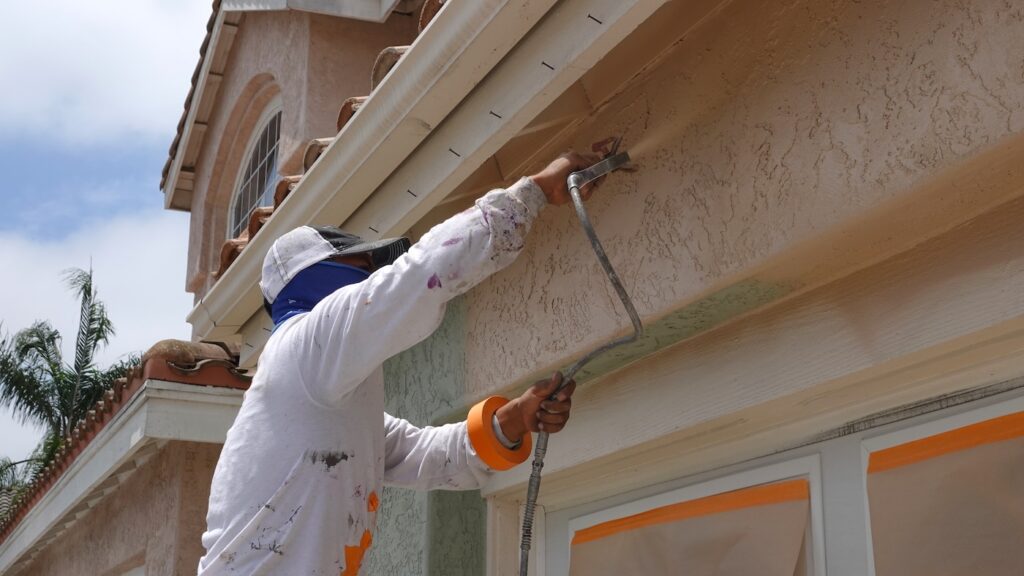
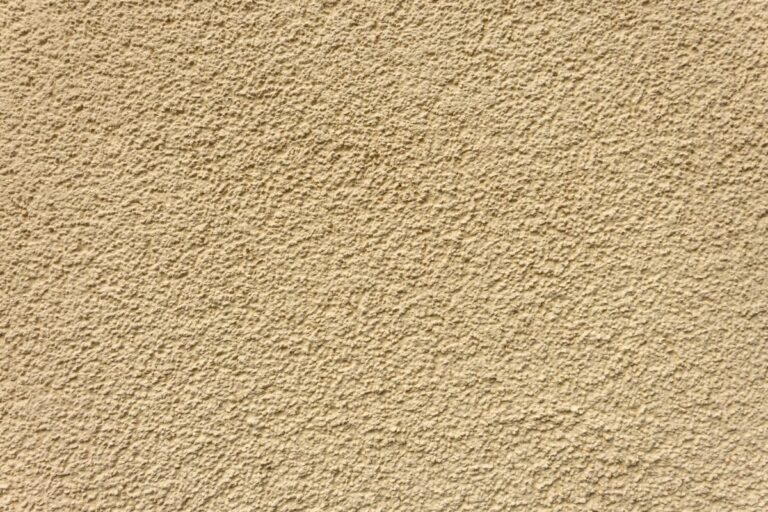
Stucco is a cement-based exterior finish composed of Portland cement, lime, sand, and water, applied in multiple layers directly over a substrate of metal lath or masonry. When installed correctly, it forms a hard, continuous shell around the exterior wall of a home that is fire-resistant, rot-resistant, and pest-resistant by nature. It is not a veneer sitting in front of your home’s structure. It bonds to the wall assembly and becomes part of it.
Traditional stucco applied in a three-coat system is the standard for exterior residential work in New Mexico. The scratch coat is applied first and keyed into the lath for a mechanical bond. The brown coat follows to level and fill the surface. The finish coat completes the exterior with texture and color. The result is a seamless, monolithic exterior that has been the defining visual character of Southwestern architecture for generations.
We are proud to serve home and business owners in Rio Rancho, NM, and nearby communities including Albuquerque and Santa Fe with expert stucco installation, repairs, and more.
What Is Siding and How Does It Differ?
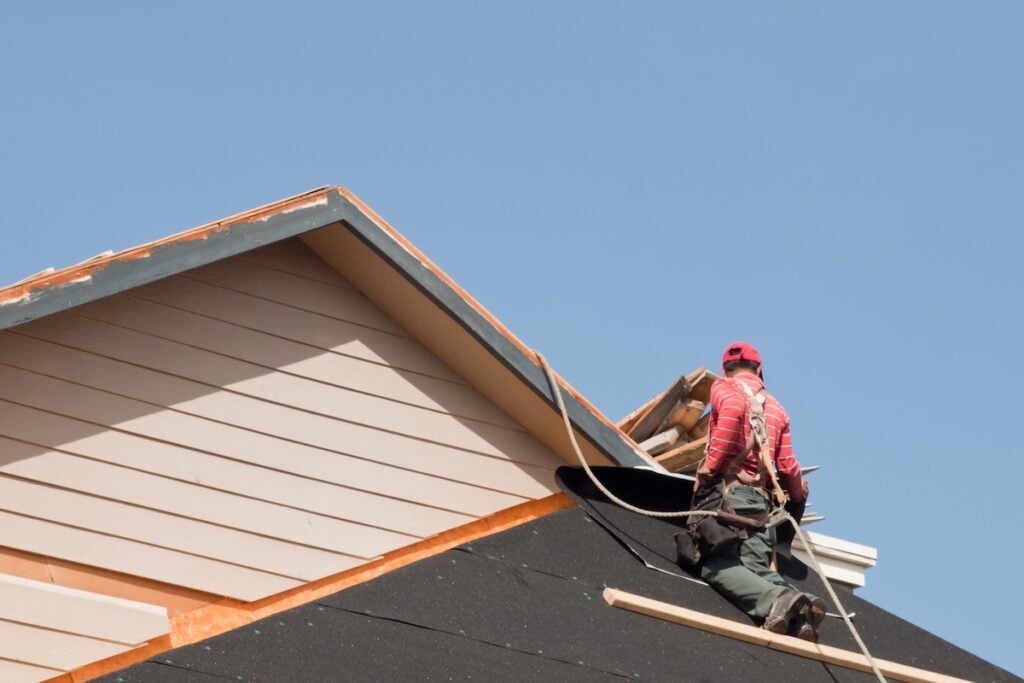
Siding is a panel-based cladding system applied to the outside of a home’s framing. Common siding materials include vinyl, fiber cement, engineered wood, and traditional wood. Unlike stucco, siding is installed in horizontal or vertical planks or panels that overlap or interlock to shed water. Siding is generally faster to install than a full stucco system, and some siding materials are available at lower upfront costs.
Fiber cement siding, most commonly known under the James Hardie brand, has grown in popularity in recent years as homeowners look to replace siding that has aged past its useful life or install new siding on fresh builds. It is more durable than vinyl, resists moisture reasonably well, and can be painted in a wide range of colors. However, it still requires periodic repainting, is susceptible to cracking under impact, and does not carry the architectural identity that stucco brings to a New Mexico home.
5 Key Differences Between Stucco and Siding for NM Homes
New Mexico’s climate is hot, dry, intensely sunny, and punctuated by monsoon rains. Those conditions reward certain material choices and penalize others. When comparing stucco to siding across the factors that matter most to homeowners in the region, the differences become clear quickly.
1. Climate Performance
Stucco excels in dry, high-UV climates. Its thermal mass absorbs heat during the day and releases it slowly in the evening, helping moderate interior temperatures. Its fire resistance is a genuine advantage in a state where wildfire risk is real and growing. It does not warp, swell, or fade under intense sun, which preserves both its protective qualities and its aesthetic appeal over time.
Siding panels, particularly vinyl, can warp and discolor under prolonged UV exposure at elevation. Fiber cement holds up better than vinyl but still expands and contracts with temperature changes, which can open gaps at seams and fastener points over time. Neither material is as naturally suited to the heat and aridity of Central New Mexico as stucco.
2. Lifespan
According to the American Cement Association, stucco provides a surface that is rot, rust, and fire resistant, making it a long-lasting finish for exterior cladding.
Properly installed stucco can last 50 to 80 years with proper maintenance. Vinyl siding typically has a lifespan of 30 to 40 years before significant fading, warping, or cracking becomes a replacement trigger. Fiber cement siding carries a better lifespan estimate of 25 to 50 years depending on climate and maintenance, but still falls short of a well-installed stucco system in New Mexico conditions.
3. Maintenance Requirements
Stucco is a low-maintenance exterior in a dry climate. Hairline cracks from normal settling should be sealed when noticed, and the surface benefits from a fresh coat of paint or elastomeric sealant every 10 to 15 years. Annual inspection for cracks at window and door surrounds, corners, and penetrations keeps water from working its way in.
Siding requires more consistent upkeep. Vinyl siding needs periodic cleaning and can crack or break on impact. Fiber cement must be repainted every 7 to 10 years to maintain its protective coating. Wood siding demands the most attention of any option, with regular painting, staining, and inspection for rot and insect damage.
4. Cost Comparison
| Factor | Stucco | Fiber Cement Siding | Vinyl Siding |
| Upfront install cost | $8 to $14 per sq ft | $6 to $13 per sq ft | $3 to $8 per sq ft |
| Lifespan | 50 to 80 years | 25 to 50 years | 30 to 40 years |
| Repainting frequency | Every 10 to 15 years | Every 7 to 10 years | Rarely, but fades |
| Repair complexity | Moderate | Moderate | Low to moderate |
| Long-term value | High | Medium | Low to medium |
While stucco carries a higher upfront cost per square foot than vinyl, its longer lifespan and lower repainting frequency make it a more economical choice over the full service life of a New Mexico home.
5. Aesthetic and Architectural Fit
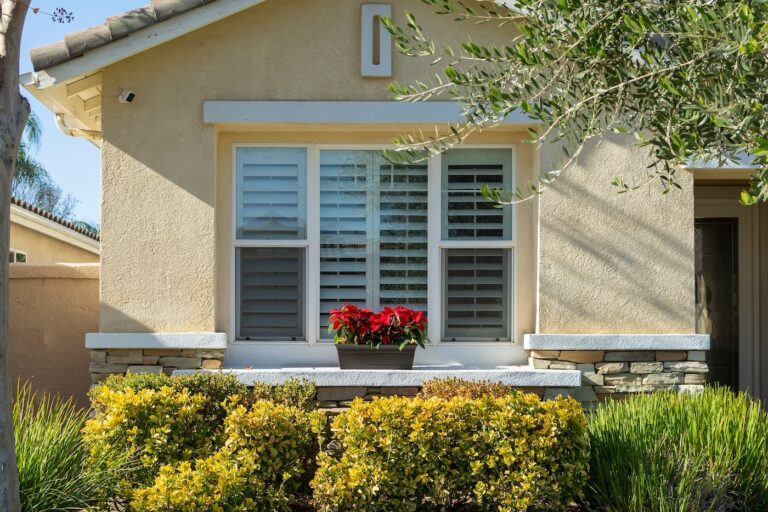
Stucco is synonymous with New Mexico architecture. Adobe, pueblo revival, Spanish colonial, and contemporary Southwestern homes all rely on stucco for their character. Choosing siding on a home in Albuquerque or Rio Rancho can clash visually with the surrounding neighborhood aesthetic and may affect resale appeal in markets where stucco is the dominant exterior material.
Siding is better suited to craftsman, colonial, farmhouse, or traditional American home styles that are less common in Central New Mexico. If your home was originally designed for stucco, re-cladding it in siding typically requires additional framing, trim modifications, and architectural adjustments that add cost and complexity to the project.
Frequently Asked Questions About Stucco vs Siding
New Mexico homeowners weighing these two exterior options ask many of the same questions. Here are the most common ones answered directly.
Is stucco better than siding in New Mexico?
For most homes in Central New Mexico, stucco is the stronger long-term choice. It performs better in the region’s dry, high-UV climate, lasts longer, requires less frequent repainting, and fits the regional architectural character. Siding can be appropriate in specific situations, but it requires more maintenance and typically does not match stucco’s longevity in the Southwest.
Can stucco crack over time?
Yes, hairline cracks are normal and expected as a home settles. They are not a sign of failure. The key is catching them early and sealing them before water finds a path in. Annual inspections and prompt repairs prevent small cracks from becoming larger moisture issues.
How long does stucco installation take?
A full three-coat stucco application on a standard residential home typically takes one to two weeks, including curing time between coats. Rushing the cure time is one of the most common installation mistakes and can lead to premature cracking and adhesion failure.
Does stucco add value to a home in New Mexico?
Yes. In Central New Mexico’s real estate market, stucco is the expected exterior material on most residential properties. A well-maintained stucco exterior enhances curb appeal and supports resale value. A home with deteriorating stucco or a non-standard siding material in a stucco-dominant neighborhood can face buyer hesitation or reduced offers.
Can I install stucco over existing siding?
In some cases, yes, though it requires proper substrate preparation and typically the installation of metal lath over the existing cladding. Professional installation is essential here, as improper prep or bonding will lead to delamination and early failure. A qualified stucco contractor can assess whether your home’s existing exterior is a suitable base and what steps are needed to ensure the new stucco bonds correctly and performs as expected.
Cabezon Roofing: Albuquerque’s Trusted Stucco Experts
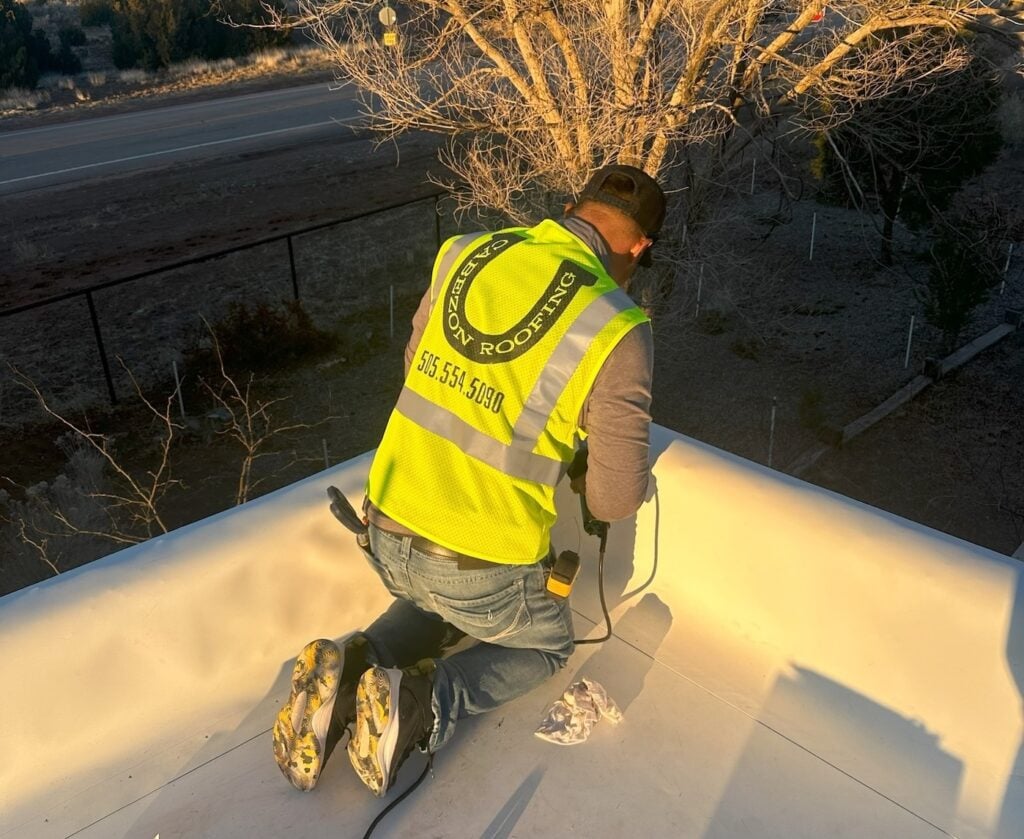
If you are weighing your exterior options for a New Mexico home, the evidence points consistently toward stucco. It is the material New Mexico’s climate was made for, the finish its architecture was built around, and the exterior system that consistently delivers the longest service life at the best long-term value. Cabezon Roofing is a dedicated roofing and stucco company serving Central New Mexico homeowners with expert stucco installation and repair built to last in the Southwestern climate.
Our team provides free estimates, communicates clearly from the first conversation through the final walkthrough, and stands behind every project with a commitment to quality workmanship. Whether you are finishing a new build, replacing failing stucco, or exploring your exterior options for the first time, we are here to help you make the right call.
Reach out and schedule your free estimate and let our team take a look at what your home needs.