
How to Identify Wind Damage to Roof (7 Simple Steps)
Recognizing wind damage to roof areas early can prevent costly repairs and long-term structural issues. In Farmington, where strong winds and sudden storms are common, even minor storm damage can quickly worsen if left unaddressed. Wind can loosen materials, expose vulnerable areas, and allow moisture to enter your home before you even notice visible problems. This guide explains how to spot signs of roof storm damage, what areas to inspect, and when it’s time to call a professional.
Here’s what you’ll learn:
- Common signs of wind-related roof damage
- Where to check for hidden issues
- How wind impacts different roofing materials
- Steps to inspect your roof safely
- When repairs or roof replacement may be needed
Taking a proactive approach helps protect your home, reduce repair costs, and extend the life of your roofing system.
What Causes Wind Damage to Roofs?
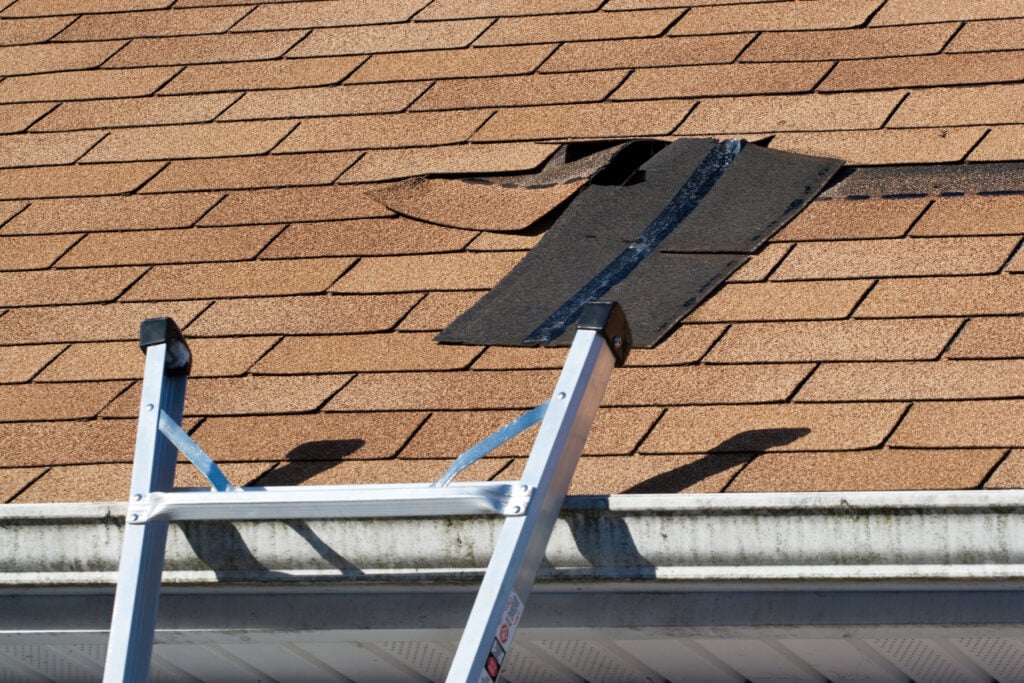
Wind damage is not always caused by extreme storms. Even moderate, sustained winds can gradually weaken roofing materials over time. The way wind interacts with your roof depends on speed, direction, and the overall condition of your roofing system.
Uplift Pressure
Wind creates suction forces that pull upward on shingles and roofing materials. This lifting effect often starts at the edges and corners, where materials are more exposed. Over time, even slight lifting can create loose shingles that no longer seal properly, allowing water to penetrate beneath the surface.
Debris Impact
Loose debris carried by strong winds can strike the roof and cause physical damage. This includes dents in metal roofing, cracked tiles, or punctures in shingles. Even small impacts can weaken protective layers and contribute to future storm damage.
Edge and Corner Stress
Roof edges and corners experience the highest levels of wind pressure. These areas are typically the first to fail during a storm, making them critical points to inspect after high winds.
7 Simple Steps to Identify Wind Damage
Following a structured inspection process helps ensure you don’t miss early warning signs. These steps can be performed from the ground or with safe roof access if conditions allow.
- Check for missing shingles: Look for exposed areas where shingles have been completely blown off, as missing shingles leave the roof deck vulnerable to moisture.
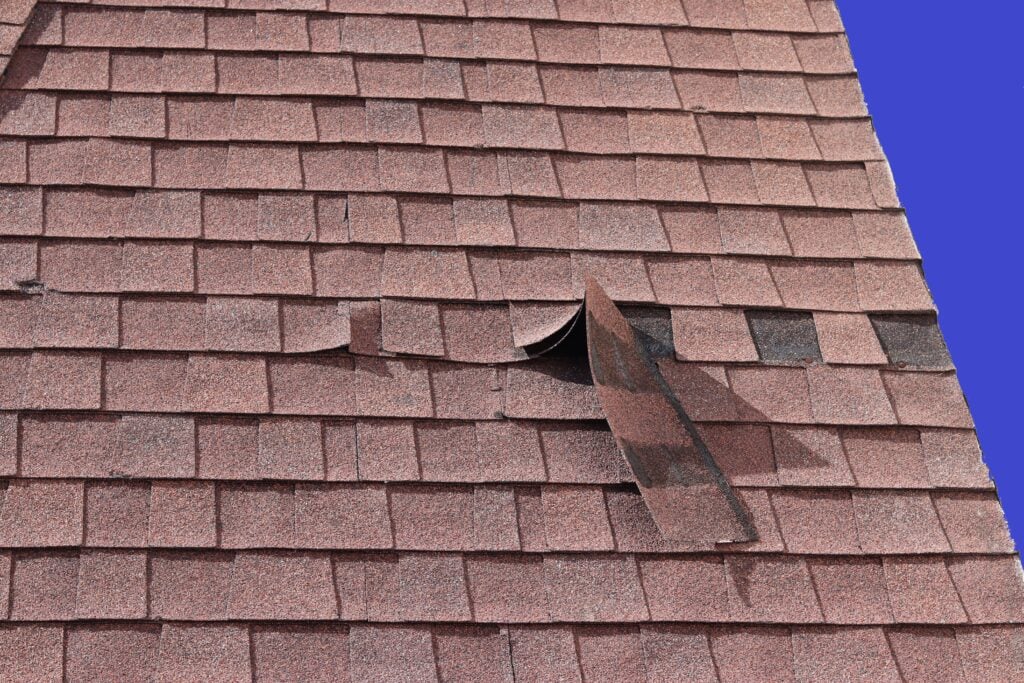
- Inspect lifted or curled shingles: Shingles that are no longer lying flat or appear as loose shingles may have broken seals and can allow water to enter underneath.
- Look for granule loss: Excess granules in gutters or near downspouts indicate surface wear caused by wind and debris.
- Examine flashing areas: Check around chimneys, vents, and skylights for signs of lifting, bending, or separation.
- Inspect roof edges: Pay close attention to edges and corners where wind damage typically begins.
- Check gutters and downspouts: Dents, clogs, or debris accumulation can indicate impact damage and roofing material loss.
- Look inside your attic: Signs such as damp insulation, discoloration, or light entering through the roof may indicate hidden damage.
Common Signs of Wind Damage
Wind damage can appear in both obvious and subtle ways. Some signs are visible immediately after a storm, while others develop gradually over time.
Loose or Missing Shingles
Shingles that are missing, lifted, or partially detached expose the underlayment and roof deck to the elements. Even a few missing shingles can allow water infiltration, which may spread beyond the initial damage area. Over time, this can lead to rot, mold growth, and interior damage if not addressed promptly.
Damaged Flashing
Flashing protects areas where the roof meets vertical surfaces or penetrations. When flashing becomes loose or bent due to wind, it creates entry points for water. Because these areas are already vulnerable, even minor damage can result in leaks that affect ceilings and walls.
Interior Water Stains
Water stains on ceilings or walls often indicate that wind damage has already compromised the roof. These stains may appear far from the actual leak location, making it important to investigate thoroughly. Ignoring these signs can lead to structural deterioration and costly repairs.
Areas of the Roof Most Vulnerable to Wind
Certain parts of your roof are more susceptible to wind damage due to their position and exposure. Focusing on these areas during inspections can help you identify problems early and prevent further deterioration.
- Roof edges: These areas experience the highest wind pressure and are often the first to lift or loosen during storms.
- Roof valleys: Valleys channel water and can collect debris, making them vulnerable when seals are weakened.
- Around penetrations: Vents, chimneys, and skylights rely on flashing and are more likely to develop gaps during high winds.
How Wind Damage Affects Different Roofing Materials
Different roofing materials respond differently to wind forces, which affects how damage appears and how repairs are handled.
- Asphalt shingles: Most common material and highly susceptible to lifting, curling, and storm damage during wind events.
- Metal roofing: More resistant to wind, but panels can loosen if fasteners fail or seams are compromised.
- Tile roofing: Durable but prone to cracking or shifting if struck by debris.
Why Early Detection Matters
Identifying wind damage early allows homeowners to address small issues before they become major problems. Minor damage can quickly escalate if water begins to penetrate the roofing system.
This is critical because wind and hail damage account for nearly 40% of all homeowners insurance claims. Acting early helps reduce repair costs and makes it easier to document damage for your insurance company.
When to Call a Roofing Professional
While homeowners can perform basic inspections, professional evaluations provide a more thorough assessment of potential damage. Roofing contractors can also help document roof storm damage for claims and recommend the right solution.
After Severe Storms
If your area experiences strong winds or visible storm damage, scheduling an inspection ensures no issues are overlooked. Early assessments can prevent small problems from turning into major repairs.
When Damage Is Widespread
If multiple areas of the roof show signs of damage, repairs may not be enough and a roof replacement could be necessary. A professional can determine the most cost-effective solution.
If You Notice Interior Leaks
Water entering the home is a clear indication that the roofing system has been compromised. Immediate professional attention is necessary to prevent further structural damage and interior issues.
We’re proud to serve home and business owners in Farmington, NM, and nearby communities with wind damage inspections and roof repair services.
Protect Your Home with Expert Help from Cabezon Roofing
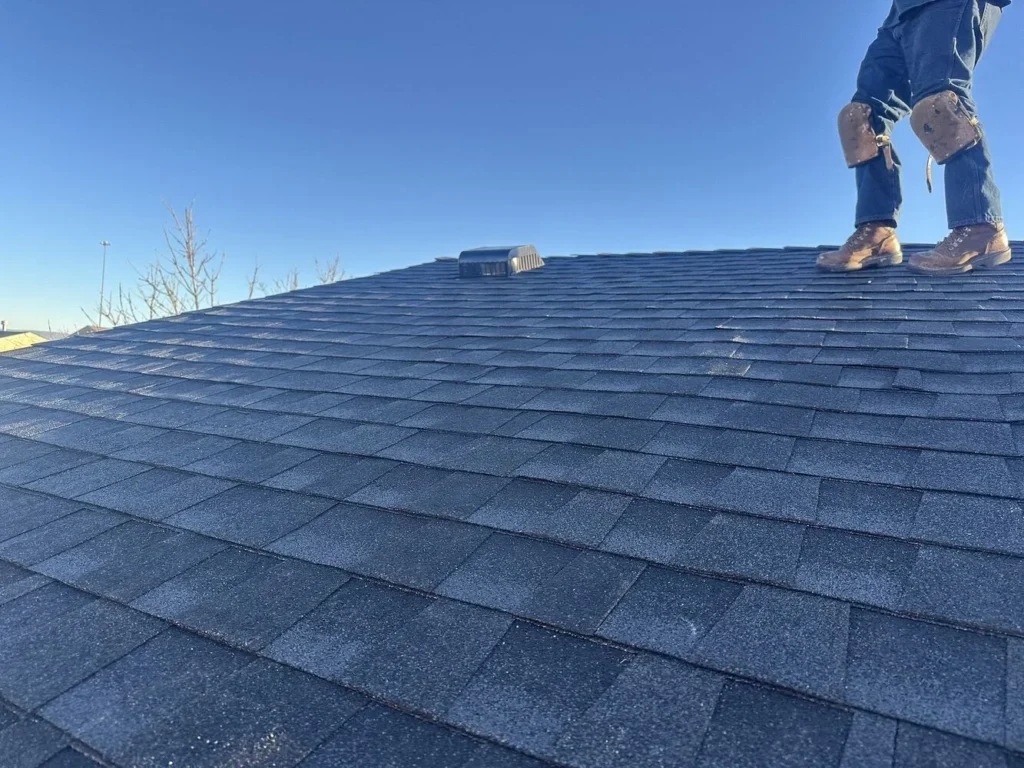
At Cabezon Roofing, we understand how damaging high winds and storm damage can be to your roof. Our team provides thorough inspections, accurate damage assessments, and reliable repair solutions designed for New Mexico’s weather conditions. Whether you’re dealing with missing shingles, loose shingles, or more extensive roof storm damage, we’re here to help restore your roof’s integrity and protect your home.
Contact Cabezon Roofing today to schedule your wind damage inspection and get expert help when you need it most.


