4 Best Roof Warranty Options to Consider When Investing in a New Roof
When planning a new roofing project, understanding your roof warranty is just as important as choosing the right materials. A good warranty doesn’t only cover potential defects—it’s your long-term safety net for protecting one of your home’s biggest investments.
In this post, you’ll learn about:
- Different coverage levels: From basic material warranties to full system protection
- Maintenance expectations: How to stay compliant and avoid voiding coverage
- Transferability benefits: Why a transferable warranty adds resale value
- Regional considerations: Why roofs in Las Cruces, NM need specific protections
Why Roof Warranties Matter for Homeowners
A roofing warranty provides peace of mind, but more importantly, it ensures accountability. It tells you that the roofing manufacturer and the roofing contractor both stand behind their work. In regions like Las Cruces, where high UV exposure and strong winds can wear down materials over time, that assurance matters even more.

Warranties also protect your return on investment. A well-maintained roof under warranty often lasts longer and adds to your home’s market value. If you ever sell, a transferable warranty can help your property stand out to buyers. Before choosing your contractor, ask which warranty options they offer—and whether they’re certified to provide an extended warranty directly through the manufacturer.
The 4 Main Roof Warranty Options
Not all warranties offer the same protection. Some cover only materials, while others safeguard labor, installation, and even future maintenance. Here’s a closer look at the most common warranty types.
1. Manufacturer’s Material Warranty
This standard warranty protects you from material defects such as shingle cracking, granule loss, or corrosion in metal roofing panels. It’s issued by the roofing manufacturer and guarantees the materials meet quality standards.
- Coverage period: 20–50 years, depending on the product and brand.
- What’s included: Replacement of defective materials.
- What’s excluded: Labor or installation errors.
- Ideal for: Homeowners wanting a low-cost safety net for material issues.
2. Workmanship or Contractor Warranty
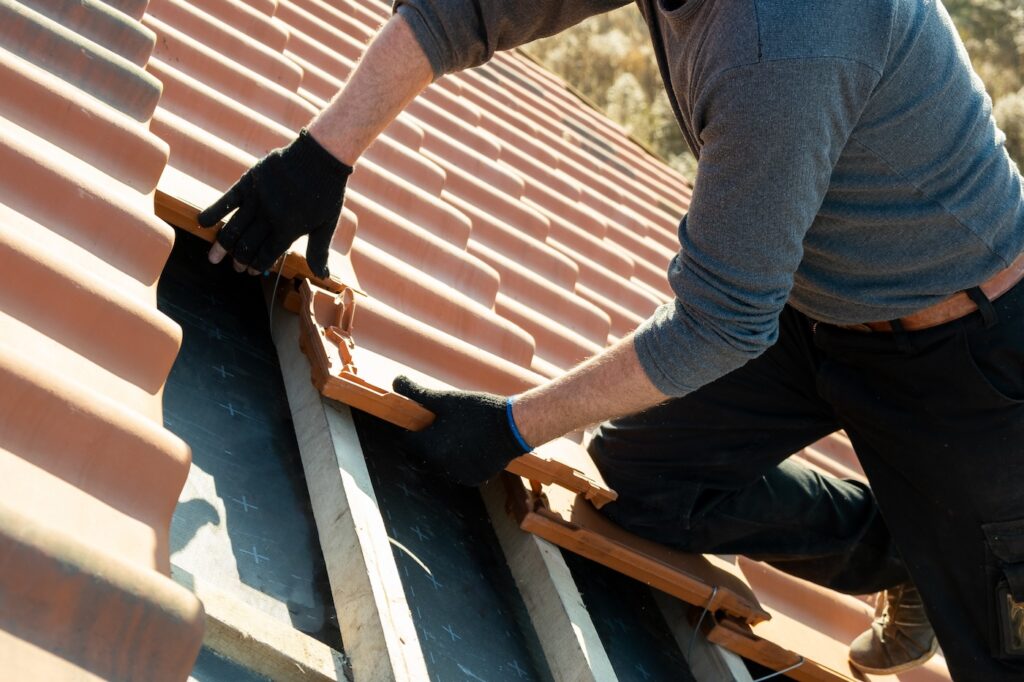
This warranty is provided by your roofing contractor and covers installation quality rather than product defects. It ensures that your roof was installed correctly and protects you if issues arise due to human error.
- Coverage period: Typically 5–15 years, depending on the contractor’s policies.
- What’s included: Maintenance or corrections for leaks or flashing problems caused by improper installation.
- What’s excluded: Damage caused by weather, falling debris, or lack of maintenance.
- Ideal for: Homeowners who want added assurance of installation quality.
3. System or Comprehensive Warranty
Some roofing manufacturers offer extended warranty packages that combine material and workmanship coverage into one. These are often available only through certified contractors who meet strict installation standards.
- Coverage period: 25–50 years on both materials and labor.
- What’s included: Full roof system components—underlayment, flashing, shingles, and sealants.
- What’s excluded: Unapproved modifications or unregistered contractors.
- Ideal for: Homeowners looking for complete, long-term protection with a single point of accountability.
4. Transferable or Lifetime Warranty
This warranty adds flexibility by allowing you to transfer coverage to the next homeowner—something especially valuable in high-demand housing markets. A transferable warranty can make your property more appealing and increase resale value.
- Coverage period: Lifetime or prorated after a set number of years.
- What’s included: Ongoing protection for the new homeowner after title transfer.
- What’s excluded: Damage caused by neglect or improper documentation during sale.
- Ideal for: Homeowners planning to sell within 10–15 years but still want lasting protection.
Comparing Warranty Coverage Levels
Choosing the right warranty means understanding what’s covered—and what isn’t. The table below breaks down how these warranty types differ in cost, protection, and duration.
| Warranty Type | Covers Materials | Covers Labor | Transferable | Typical Length |
| Material Warranty | Yes | No | Sometimes | 20–50 years |
| Workmanship Warranty | No | Yes | Usually No | 5–15 years |
| System Warranty | Yes | Yes | Often Yes | 25–50 years |
| Transferable Warranty | Yes | Varies | Yes | Lifetime or prorated |
The strongest warranties are typically those offered by certified contractors who can provide both material and workmanship coverage. These system warranties minimize gaps and simplify future claims.
Local Considerations for Las Cruces Homeowners
Roofing warranties may seem universal, but New Mexico’s environment introduces unique challenges that make local expertise essential.
- Sun exposure: Prolonged UV radiation can shorten material lifespan without adequate protection.
- Wind stress: Gusty desert winds can loosen improperly fastened shingles or flashing.
- Temperature swings: Day-to-night changes cause expansion and contraction that can strain seals and joints.
- Maintenance requirements: Regular inspections ensure warranty compliance and identify small issues early.
We’re proud to serve home and business owners in Las Cruces, NM, and nearby cities with roof installation, replacement, and warranty-backed services designed for long-lasting performance.
How to Maximize Your Warranty Coverage

Even the best warranty can be voided if maintenance isn’t documented or terms aren’t met. Stay proactive to keep your coverage valid and your roof in peak condition.
Register Your Warranty
Always register your warranty with both the roofing manufacturer and the installer. This step activates your protection and ensures eligibility for future claims.
Keep Records
Maintain receipts, inspection reports, and photos of your roof. This documentation verifies that you’ve kept up with maintenance requirements and can be vital if a warranty claim is needed.
Schedule Routine Inspections
Professional inspections every one to two years help identify minor wear before it becomes major damage. A trusted roofing contractor can catch potential issues early and document your roof’s condition for ongoing coverage.
Protect Your Investment with Cabezon Roofing
Your roof should provide protection, value, and peace of mind for decades—and the right warranty helps make that possible. Cabezon Roofing partners with top-tier roofing manufacturers to offer dependable coverage on every project. Our certified team ensures each roof meets warranty standards from day one, combining precision workmanship with transparent communication.
Ready to explore your warranty options? Contact Cabezon Roofing today to schedule your free inspection and learn more about our roofing systems built to last in New Mexico’s demanding climate.