What Is a Built-Up Roof (BUR) System? 8 Things to Know Before You Choose One
Understanding what is a built up roof system is important if you’re considering options for low slope roofs or flat roof designs. Built up roofing systems have been used for decades and are especially common on commercial and industrial buildings due to their durability, layered protection, and long-term reliability.
If you’re exploring different commercial roofing systems for your property, BUR roofing remains one of the most trusted solutions available. For building owners evaluating long-term performance, this multi layered roofing system offers proven durability, strong waterproofing, and reliable protection across a variety of applications.
This type of system is widely used because it performs well under heavy use and varying weather conditions. Whether you’re planning a new installation or upgrading an existing roof surface, understanding how built up roofing works can help you make a more informed decision.
Here’s what this guide covers:
- What a built-up roof system is
- How BUR roofing is constructed
- Key benefits and drawbacks
- When BUR is a good choice
- What to consider before installation
Understanding these factors helps you determine whether this system is the right fit for your property.
What Is a Built-Up Roof System?
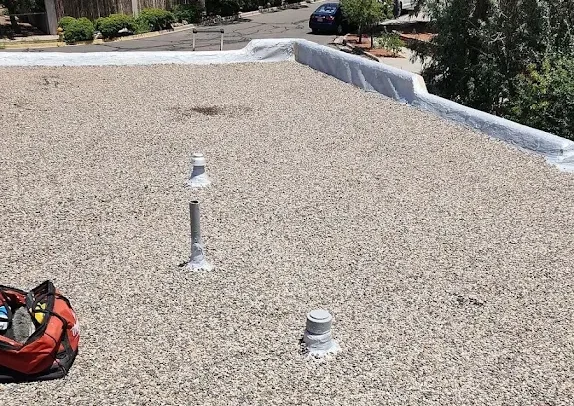
A built-up roof system is a multi ply roof made by layering bitumen and reinforcing materials to create a durable, watertight membrane. These built up roofing systems are typically installed using hot asphalt or cold applied adhesive, depending on the project requirements and building conditions.
BUR roofing membranes are constructed using multiple plies of roofing felts to create multi layer protection across the entire roof surface. This layered approach provides reliable protection for low slope commercial roofs, where water drainage is slower and long-term durability is essential.
The system is usually finished with a gravel roof or cap sheet, which helps protect the roof surface from UV exposure, improves thermal performance, and contributes to a longer expected service life.
How a Built-Up Roof System Works
The effectiveness of a built-up roof comes from how its layers function together as a complete system. This multi layered roofing system is designed to deliver reliable protection, durability, and long-term performance for commercial roofing systems.
Base Layer
The base sheet installed over the roof deck creates the foundation of the system, helping ensure proper adhesion and stability while protecting the structure beneath from moisture and temperature fluctuations.
Reinforcing Layers
Reinforcing layers, typically made from roofing felts, are embedded between bitumen layers to create strength and flexibility, forming a multi ply roof structure that resists tearing and long-term stress.
Bitumen Layers
Bitumen layers, often made from asphalt or modified bitumen systems, are applied between reinforcing layers to create a continuous waterproof seal that protects the building from leaks and moisture intrusion.
Surface Layer
The surface layer, which may include a gravel roof or cap sheet, protects the roof surface from UV exposure, reduces wear from foot traffic, and helps improve overall thermal performance.
8 Things to Know Before Choosing a Built-Up Roof System
Before deciding on a BUR system, it’s important to understand how it performs in real-world conditions. These key considerations help building owners evaluate whether it aligns with their needs.
1. BUR Systems Are Built for Commercial Durability
BUR roofing is widely used in commercial buildings and industrial buildings because it is designed to handle demanding conditions. Its multi ply roof design makes it ideal for environments with heavy usage.
- Ideal for commercial and industrial buildings
- Handles frequent foot traffic
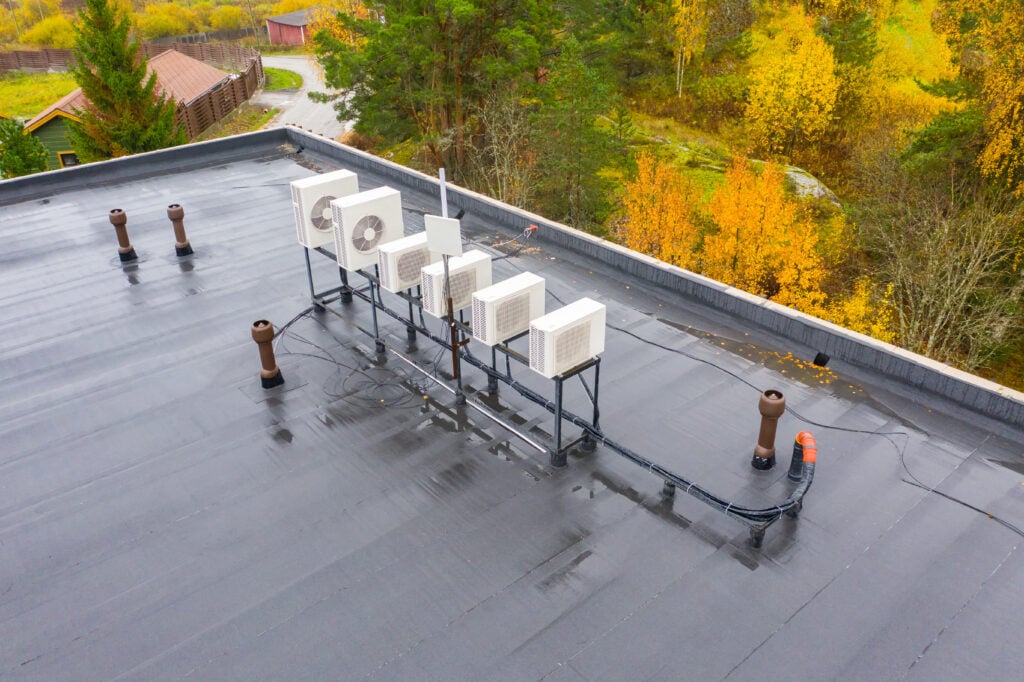
- Suitable for roof gardens and rooftop equipment
2. Multi Layer Protection Improves Waterproofing
The multi layer protection of built up roofing systems creates multiple barriers against water, making them highly effective for low slope roofs and low slope commercial roofs. According to SPRI, BUR systems are surfaced with aggregate or roof coating to improve weathering capability, and the redundant multi-ply approach ensures the system provides dependable waterproofing for many years — making multi-layer protection one of the most well-documented waterproofing strategies in commercial roofing.
- Multiple plies reduce leak risk
- Strong defense against standing water
- Provides reliable protection over time
3. Installation Methods Can Vary
BUR systems can be installed using hot asphalt or cold applied adhesive, depending on project requirements. Some systems may also incorporate modified bitumen membranes for added durability and flexibility.
4. BUR Roofing Is Heavier Than Other Systems
Because of its multi ply roof structure, BUR adds more weight than many other commercial roofing options. This makes it better suited for buildings designed to support heavier roofing systems.
5. It Can Help Reduce Cooling Costs
BUR roofing can improve thermal performance when paired with reflective coatings or lighter surface materials. This helps reduce cooling costs for large commercial buildings.
6. Long Expected Service Life
One of the biggest advantages of BUR roofing membranes is their long expected service life. With proper installation and maintenance, these systems can last for decades.
7. Proven Track Record in Commercial Roofing
Built up roofing systems have been used for over a century, making them one of the most reliable commercial roofing systems available today.
8. Compatible with Multiple System Variations
BUR systems can be customized using different materials, including modified bitumen systems, cap sheets, and coatings, allowing flexibility for different building needs.
Common Drawbacks of Built-Up Roofing
While BUR roofing offers many advantages, there are also limitations that should be considered before choosing this system.
Installation Odor and Disruption
The use of hot asphalt during installation can produce strong odors, which may affect occupied commercial buildings during the process.
Limited Flexibility
Compared to newer roofing materials, BUR systems are less flexible, which can make them more susceptible to cracking under structural movement or extreme temperature changes.
Higher Initial Cost
The materials and labor involved in built up roofing systems can result in higher upfront costs compared to other commercial roofing systems, although long-term durability often offsets this investment.
When a Built-Up Roof System Is a Good Choice
Built up roofing systems are best suited for applications where durability and waterproofing are top priorities. They are commonly used in commercial roofing and industrial buildings where long-term performance matters.
- Low slope roofs and low slope commercial roofs
- Commercial and industrial buildings
- Roofs with frequent foot traffic
- Projects requiring reliable protection
In these cases, BUR roofing provides a dependable and proven solution.
What to Consider Before Installation
Before choosing a built-up roof system, building owners should evaluate several factors that can impact performance and long-term value.
Structural Capacity
Because BUR systems are heavier than many alternatives, the building must be able to support the load of the multi layered roofing system.
Budget and Timeline
Installation costs can vary depending on the size and complexity of the project, and larger commercial roofing systems may require longer timelines.
Material Options
Different materials, such as modified bitumen membranes, cap sheets, and coatings, can impact durability, energy efficiency, and performance.
Long-Term Goals
For building owners focused on long-term durability and performance, built up roofing systems remain one of the most reliable choices available.
Built-Up Roof vs Other Commercial Roofing Systems
Comparing BUR to other commercial roofing systems helps highlight its role in modern roofing.
- BUR vs TPO: BUR offers multi layer protection, while TPO is lighter and faster to install
- BUR vs EPDM: BUR provides durability, while EPDM offers flexibility
- BUR vs modified bitumen systems: BUR uses multiple plies, while modified systems use fewer layers
Each system has advantages depending on the building and project goals.
Why Built-Up Roofing Remains a Popular Choice
Despite newer materials, built up roofing systems continue to be widely used because of their durability, reliability, and proven performance. Their multi ply roof design provides long-term protection that many building owners trust. For commercial roofing systems that require strong waterproofing and long expected service life, BUR remains a dependable option. We’re proud to provide solutions for commercial roofing projects across the local area.
Get Expert Help with Built-Up Roofing
At Cabezon Roofing, we help building owners choose the right roofing system for their needs. As experienced commercial roofing professionals, we understand how to install and maintain built up roofing systems for long-term performance.
Whether you’re planning a new installation or upgrading an existing roof surface, we provide clear recommendations and quality workmanship tailored to your project.
Contact our team to schedule a consultation and get expert guidance on your roofing project.