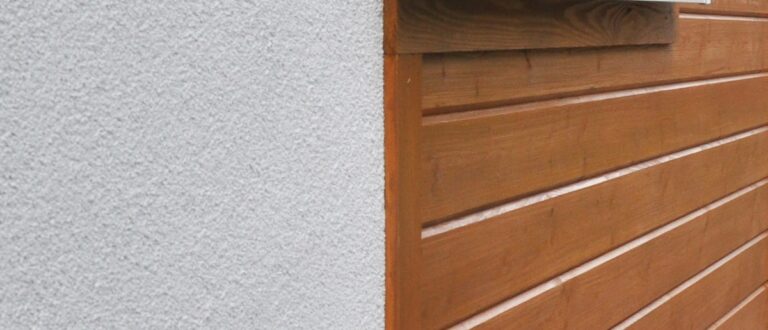
What Is Stucco? (Materials, Function, Styles, & More)
Understanding what is stucco is essential for anyone considering exterior finishing options for their home or commercial building. Stucco is a versatile and durable material used for both functional and aesthetic purposes. When exploring exterior stucco for your home, learning about the materials, functions, and styles can help you make an informed choice. This guide provides a comprehensive look into everything you should know about stucco as one of the most reliable building materials for exterior walls, whether you want a modern stucco house or a traditional design.
- Basic composition: What stucco is made of and why it remains popular.
- Functional benefits: How stucco protects and improves buildings.
- Style versatility: A wide range of colors and stucco texture options.
- Maintenance tips: Best practices to keep a stucco wall performing well.
- Selection guidance: How to choose the right stucco for your project.
We are proud to serve home and business owners in Albuquerque, NM and nearby communities with stucco services and more.
Why Understanding Stucco Matters for Building Projects
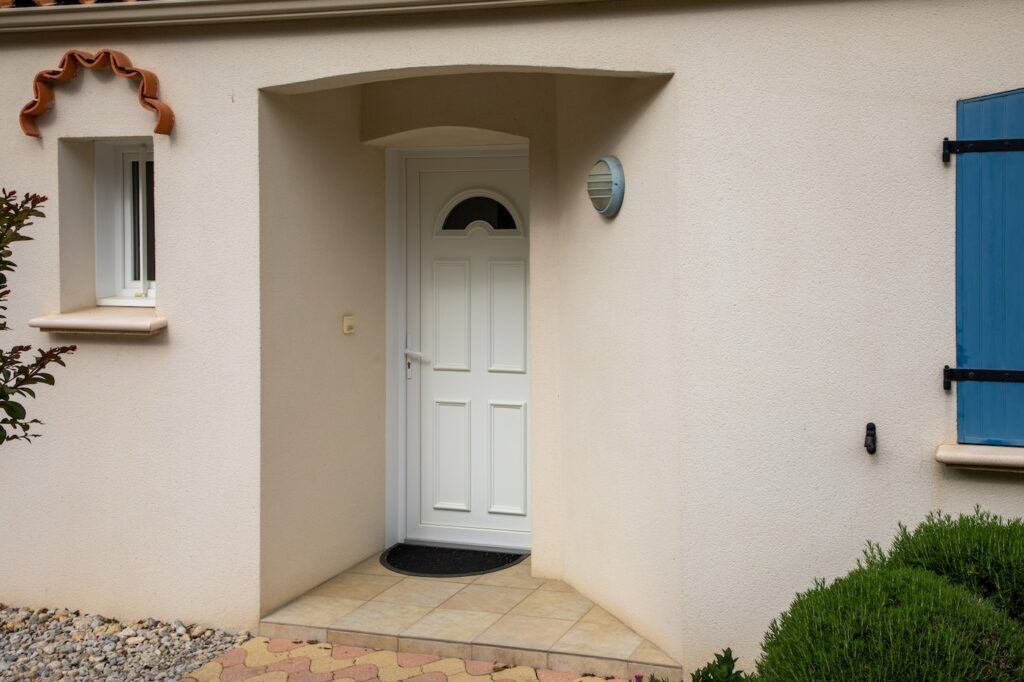
Stucco has been a favored exterior finish for centuries due to its durability, weather resistance, and flexible application. In modern construction, understanding how stucco works can help guide decisions on aesthetics, budget planning, and long term maintenance. Stucco is more than decorative. It protects exterior walls, manages moisture, and contributes to energy efficiency in any stucco house.
Key Reasons Stucco Remains a Popular Choice
- Durability: Stucco withstands fire, moisture, and everyday impact.
- Climate adaptability: Suited for arid, warm, or moderately humid climates.
- Eco friendly options: Many blends support sustainable building materials practices.
- Cost effectiveness: Often more budget friendly than stone or brick siding.
- Customization: Available in various stucco texture options to match any architectural style.
7 Key Components and Types of Stucco You Need to Know
Exploring what goes into stucco and its variations helps you choose the right system for your home or building. These components also influence the scratch coat, brown coat, and finish coat used when applying stucco.
- Traditional Cement Stucco
This form of traditional stucco uses Portland cement, sand, and lime and is applied in multiple layers over mesh reinforcement.- Strength: Provides excellent resistance to cracking and wear.
- Breathability: Allows internal moisture to escape and prevents mold buildup.
- Synthetic Stucco (EIFS)
Synthetic stucco, also known as EIFS, is a lightweight acrylic based system installed over insulation boards.- Insulation: Creates a strong thermal barrier for improved energy efficiency.
- Versatility: Offers a wide range of colors and stucco texture choices.
- Lime Stucco
Lime based stucco is flexible and self healing, making it ideal for older properties and structures that experience movement.- Flexibility: Better crack resistance due to natural elasticity.
- Traditional appeal: Suited for historic restoration work.
- Acrylic Stucco
Acrylic stucco uses acrylic resins to enhance durability and long term appearance.- Color retention: Maintains color vibrancy longer in high sun environments.
- Maintenance: Allows easier maintenance of small damages.
- Stucco Accessories and Reinforcement
Lath, mesh, and reinforcement materials help stucco adhere properly and prevent detachment.- Support: Strengthens the base layers of stucco.
- Application: Essential for both traditional stucco and synthetic stucco systems.
- Scratch Coat and Brown Coat
These layers form the foundation when applying stucco. The scratch coat creates a textured base for bonding, and the brown coat smooths the surface before adding the finish coat.- Structural base: Establishes a durable foundation for the stucco wall.
- Proper leveling: Ensures an even and long lasting final surface.
- Finish Coats and Textures
The final layer determines the appearance and style of exterior stucco.- Aesthetic variety: Smooth, sand, dash, and lace finishes offer different design options.
- Light effect: Textures influence how sunlight interacts with the exterior.
Exploring the Functional Benefits of Stucco in Building Design
Stucco offers more than visual impact. Its layered structure strengthens a building and enhances overall comfort.
Energy Efficiency and Insulation
Stucco provides a dense outer layer that helps reduce heat transfer and stabilize indoor temperatures. Both traditional stucco and synthetic stucco systems can improve energy efficiency when installed correctly.
Moisture Resistance and Breathability
A properly applied stucco system shields exterior walls from water intrusion while still allowing trapped moisture to escape. This balance helps prevent mold, mildew, and long term structural damage.
Sound Dampening
Stucco’s solid composition naturally reduces outside noise, creating a quieter and more comfortable living environment. This makes it especially beneficial for homes in high traffic or high wind areas.
Fire Resistance
Stucco is made from non combustible building materials like cement, sand, and lime, which significantly enhances fire resistance. This added layer of protection can help slow the spread of flames in an emergency.
Popular Stucco Styles and Finish Options
Stucco offers a wide range of stucco texture variations, allowing homeowners to choose a look that fits their architectural style.
Common Stucco Finishes
- Smooth finish: Sleek appearance often used in modern and Mediterranean homes.
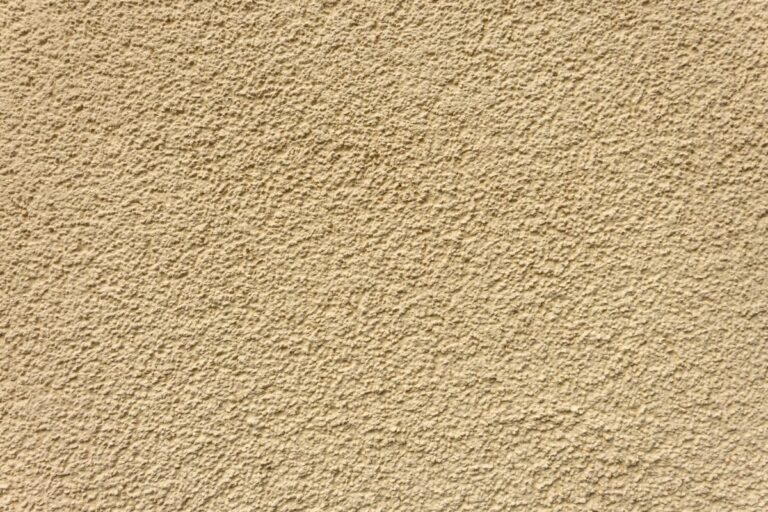
- Textured finish: Lace, sand, and rough textures add visual depth.
- Dash finish: Machine applied for a rugged and forgiving surface.
- Sand finish: Uses fine sand for a subtle grain.
- Cat face finish: Combines smooth areas with textured patches for a historic look.
Color Versatility
Stucco can be tinted or painted in nearly any color. The texture of the finish coat affects how light and shadow appear on the surface throughout the day.
Custom Shapes and Applications
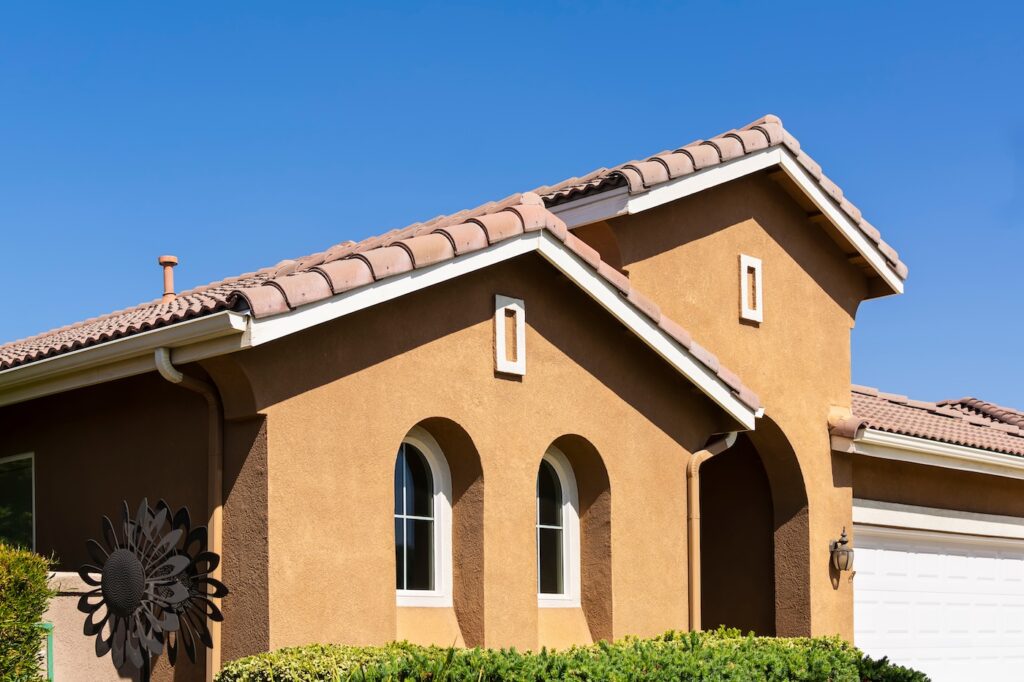
Artisans can shape stucco to create architectural features such as columns, arches, and trim, offering greater design flexibility for any stucco house.
Comparing Stucco Types
| Type | Best Feature | Best Use |
| Traditional Cement | Durable and breathable | Most residential exteriors |
| Acrylic | Excellent color retention | Homes needing vibrant color |
| EIFS (Synthetic Stucco) | Superior insulation | Energy efficient upgrades |
| Lime | Flexible and historic | Older homes or restorations |
Maintaining and Caring for Your Stucco Exterior
Proper care helps your exterior stucco last for decades and prevents costly maintenance. Regular maintenance prevents small concerns such as hairline cracks from becoming larger issues.
Inspection and Minor Repairs
Check periodically for cracks, stains, or soft spots.
- Early action: Stops moisture from entering the stucco wall.
- Timely maintenance: Prevents small issues from developing into structural problems.
Cleaning Techniques
Cleaning helps maintain a fresh appearance.
- Gentle washing: Use low pressure or soft brushing with mild detergent.
- Surface care: Avoid harsh chemicals that could damage the finish coat.
Repainting and Resealing
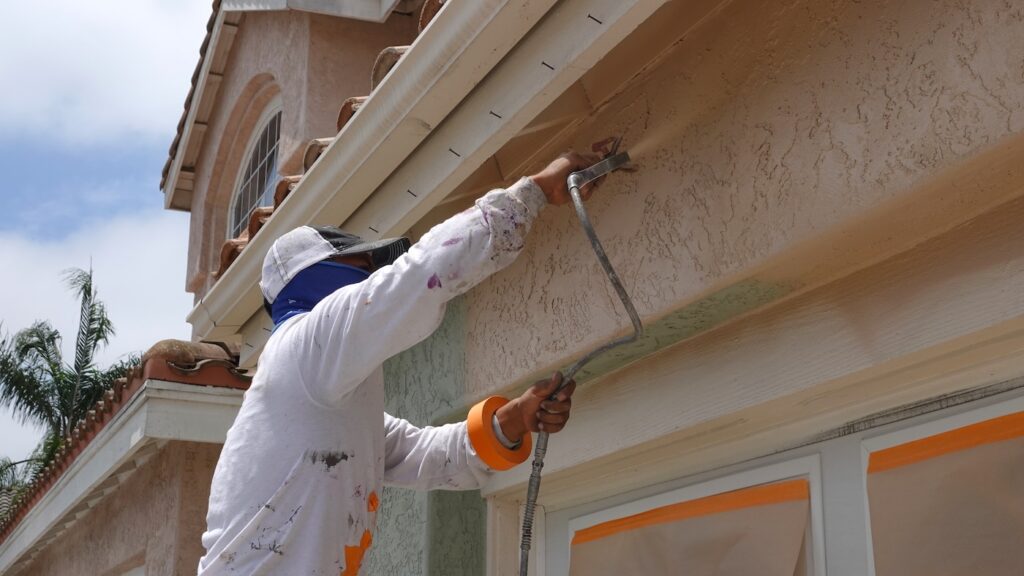
Some stucco surfaces may require repainting or resealing.
- Color renewal: Keeps the exterior clean and vibrant.
- Added protection: Sealants improve moisture resistance.
Professional Consultation
Large repairs or new installations require trained professionals. Proper layering of the scratch coat, brown coat, and finish coat ensures long term performance.
Deciding If Stucco Is the Right Choice for Your Property
Stucco offers durability, affordability, and custom design potential. Consider the following when planning your project:
- Climate suitability: Performs well in dry or warm climates.
- Budget alignment: More affordable than many other exterior materials.
- Architectural compatibility: Works well with Mediterranean, Pueblo, Spanish, and modern designs.
- Maintenance expectations: Requires periodic inspections and maintenance.
Enhance Your Home with Stucco Services from Cabezon Roofing
With a clear understanding of stucco materials, textures, and application methods, you can confidently choose the best system for your home. Stucco provides long term protection and visual appeal for homes in Albuquerque and surrounding communities. The team at Cabezon Roofing is ready to help you achieve a beautiful and durable stucco exterior. Contact Cabezon Roofing today to schedule a consultation and explore the best exterior stucco options for your home.