What Is Soffit and Fascia? (Materials, Function, & More)
If you’re trying to understand soffit and fascia and how they affect your roofing system, you’re not alone. Homeowners in Rio Rancho often hear these terms during inspections or repairs, but few know exactly what they do. In this blog, you’ll learn what soffit and fascia are, why they matter, how different materials compare, and what maintenance steps can help extend the life of your roof.
Key things this article will cover include:
- What soffit and fascia actually are and how they function
- Material options and the benefits of each
- Common warning signs of damage
- Why installation and maintenance affect long-term roof performance
Understanding Soffit and Fascia
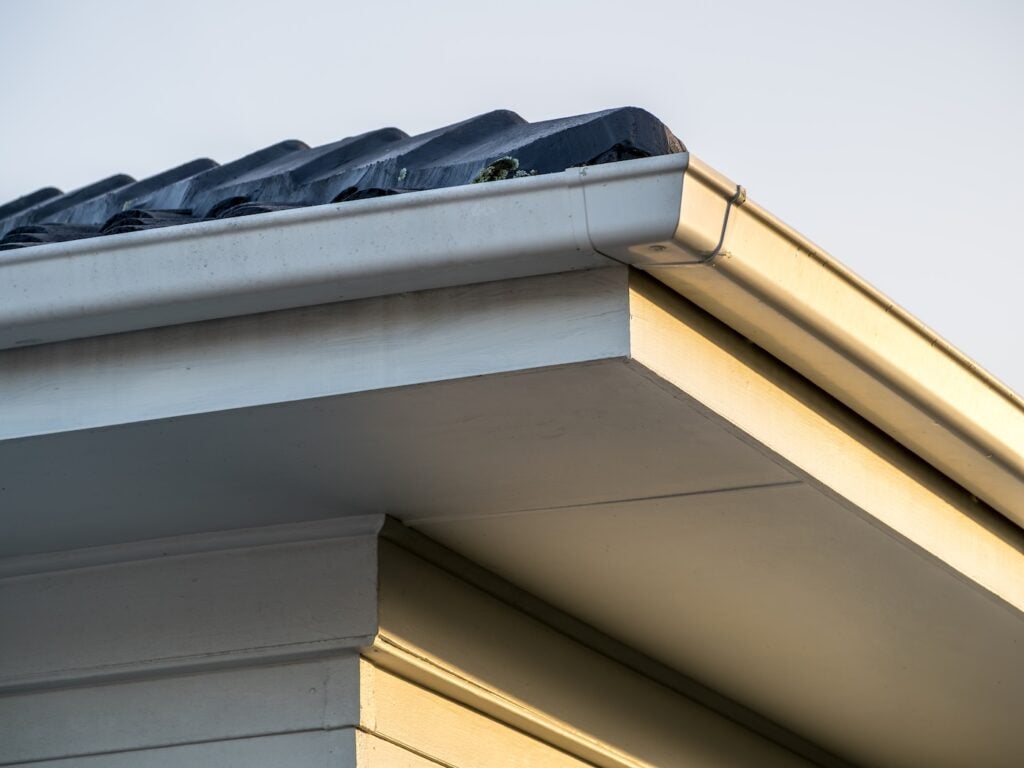
Soffit and fascia sit along the perimeter of your roofline, working together to protect your home and maintain airflow and structural stability.
What Is Soffit?
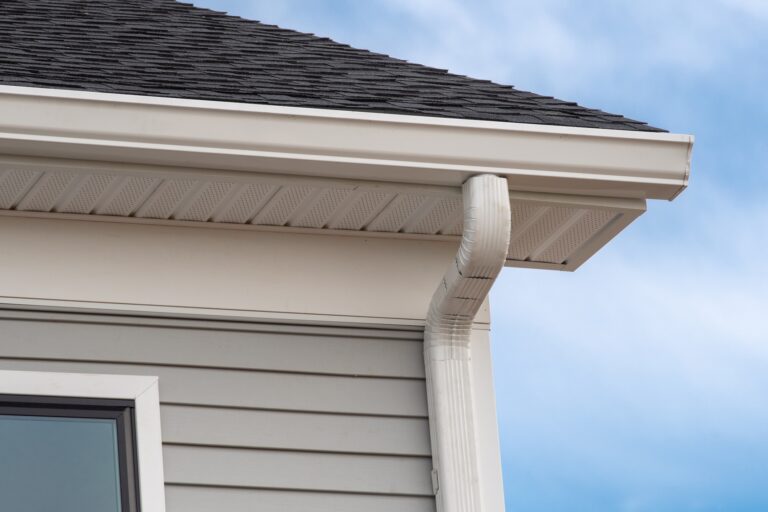
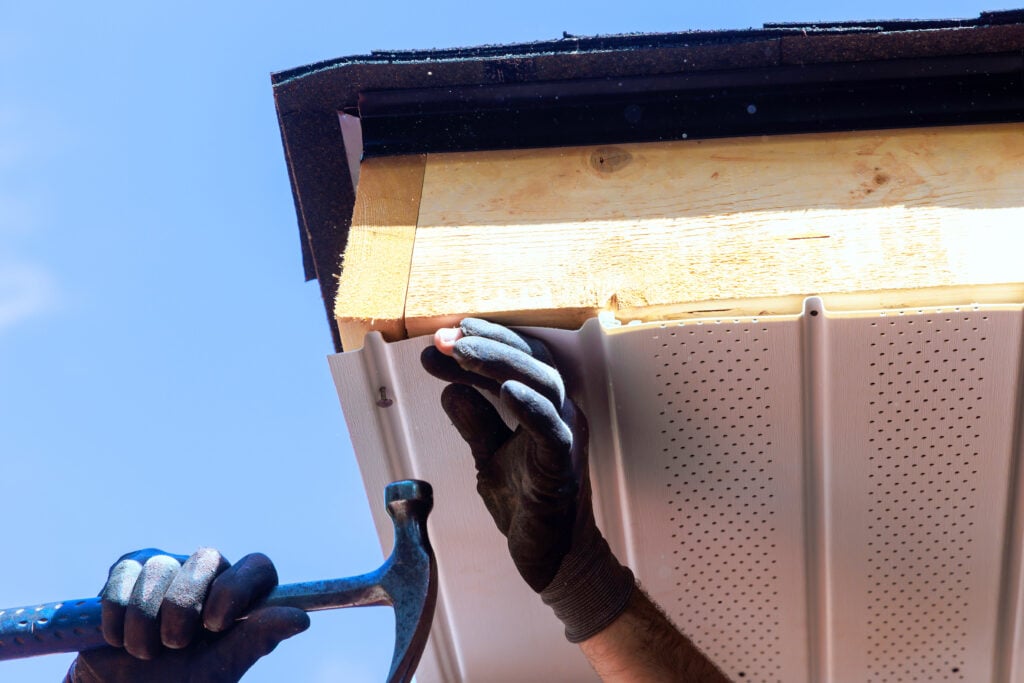
Soffit is the paneling installed beneath the roof’s overhang. It closes off the underside of the eaves to keep pests and moisture out of the attic. Many soffit materials include ventilation openings that help regulate airflow, especially important in Rio Rancho’s warm climate.
What Is Fascia?
Fascia is the horizontal board located along the roof edge. It supports the lower row of shingles and provides a secure attachment point for your gutters. Without a strong fascia board, gutters can sag, overflow, or detach completely.
Common Soffit and Fascia Materials
Understanding different material options helps you select the best fit for your home based on durability, appearance, and maintenance needs.
- Vinyl: Affordable, low maintenance, and resistant to moisture.
- Aluminum: Lightweight, durable, and great for hot climates.
- Wood: Attractive, traditional appearance but higher upkeep.
- Composite: Mimics wood while offering superior durability.
- Fiber cement: Very strong and fire resistant.
- Engineered wood: Natural look with improved structural stability.
9 Key Functions of Soffit and Fascia
Soffit and fascia do far more than improve curb appeal. They protect the roof system and contribute to your home’s overall performance.
1. Ventilation support
Proper soffit ventilation helps regulate attic temperature and reduce moisture buildup.
- Air intake: Allows cooler airflow into the attic.
- Temperature balance: Reduces heat-related roofing damage.
- Moisture control: Helps limit condensation.
2. Moisture control
These components help prevent water from entering vulnerable roof areas.
- Rain deflection: Keeps water away from rafters and decking.
- Rot reduction: Minimizes exposure to damaging moisture.
- Seasonal protection: Reduces freeze-thaw stress.
3. Pest prevention
Soffit and fascia help prevent critters from entering your attic.
- Barrier protection: Seals common entry points.
- Infestation reduction: Helps keep out birds, bats, and insects.
- Cleaner attic: Prevents nesting buildup.
4. Gutter stability
Fascia has a crucial role in supporting the gutter system.
- Bracket support: Provides a solid attachment surface.
- Proper drainage: Ensures water flows correctly away from the home.
- System longevity: Prevents gutter sagging.
5. Roof protection
These components help shield essential roof structures.
- Edge coverage: Protects rafters from exposure.
- Wind resistance: Helps reduce uplift during storms.
- Material preservation: Extends the lifespan of shingles and decking.
6. Aesthetic enhancement
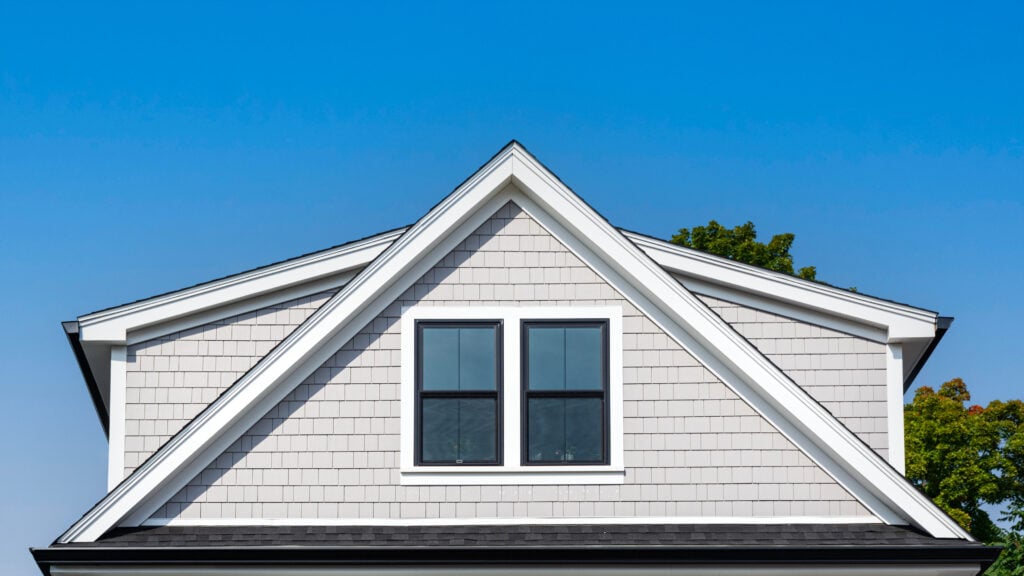
They contribute to a clean, finished roofline appearance.
- Smooth transitions: Creates visually appealing edges.
- Design consistency: Complements trim and siding.
- Curb appeal: Improves exterior value.
7. Energy efficiency
Ventilation supported by soffits helps reduce energy strain.
- Lower attic heat: Reduces heat transfer to living spaces.
- Reduced HVAC load: Helps cooling systems run efficiently.
- Better indoor comfort: Improves temperature stability.
8. Fire resistance
Some materials offer added protection from fire exposure.
- Safer edges: Aluminum and fiber cement resist ignition.
- Ember resistance: Helps protect roof margins.
- Durability: Supports long-term safety.
9. Structural longevity
Together, soffit and fascia protect the integrity of the roofing system.
- Protected framing: Shields rafters from decay.
- Extended roof life: Prevents premature deterioration.
- System stability: Supports proper roof function.
Comparing Material Options
| Material | Durability | Maintenance Level | Cost | Best For |
| Vinyl | Moderate | Low | Affordable | Budget-conscious homeowners |
| Aluminum | High | Low | Moderate | Hot, dry climates |
| Wood | Moderate | High | Moderate–High | Traditional look |
| Composite | High | Low–Moderate | Higher | Long-term durability |
| Fiber Cement | Very High | Low | Higher | Fire-resistant needs |
Signs Your Soffit or Fascia Needs Attention
Homeowners often overlook early signs of soffit or fascia issues, and small problems can escalate quickly when ignored.
Visible Rot or Warping
Soft, cracked, swollen, or crumbling materials may indicate moisture damage, which contributes to the fact that water damage and freezing account for nearly 24% of all homeowners’ insurance claims.
Pest Intrusion
Birds, bats, or insects entering the attic often indicate gaps in the soffit system or areas where panels have deteriorated enough to allow easy access.
Gutter Issues
Sagging gutters, rust streaks, or water overflowing behind the system often signal fascia damage or weakening that prevents the gutters from staying properly supported.
How Proper Installation Protects Your Roof
Proper soffit and fascia installation significantly impacts long-term durability and performance. When installed correctly, they help prevent water damage, improve ventilation, and protect roof edges.
- Moisture defense: Proper alignment keeps water out of structural joints.
- Ventilation balance: Correct vent layout helps regulate attic temperatures.
- Structural support: Secure fascia helps gutters function safely under heavy rainfall.
Care & Maintenance Tips for Homeowners
Routine maintenance helps preserve the longevity and reliability of soffit and fascia components.
- Seasonal inspections: Look for sagging panels, cracks, or discoloration.
- Gutter cleaning: Prevents overflow that can saturate fascia boards.
- Tree trimming: Branches that scrape the roofline can cause damage.
- Professional evaluations: A roofer can spot early deterioration and recommend repair options.
We’re proud to serve home and business owners in Rio Rancho, NM, and nearby communities with soffit and fascia services and more.
Why Homeowners Trust Cabezon Roofing for Soffit & Fascia Care
Soffit and fascia may not be the most noticeable components of your roofing system, but they are essential to protecting your home. At Cabezon Roofing, we provide expert installation, repair, and replacement services tailored to New Mexico’s climate.
Whether you’re dealing with failing fascia boards, ventilation issues, or deteriorating soffit panels, our team offers honest recommendations, clear communication, and quality workmanship. If you’re unsure about the current condition of your soffit or fascia, we’re here to help. Contact Cabezon Roofing today to schedule your soffit and fascia consultation.