Difference Between TPO and PVC Roofing: A Full Guide to Choose The Best Material
Choosing between TPO vs. PVC roofing is an important decision for property owners looking to install or upgrade flat roofs. In Albuquerque, where intense sun, temperature swings, and seasonal storms are common, selecting the right roofing material can directly impact durability, energy efficiency, and long-term costs. Both options are widely used in commercial roofing, but each has distinct advantages depending on your building’s needs.
Here’s what this guide covers:
- What TPO and PVC roofing systems are
- How installation process impacts performance
- How each option handles heat, weather, and wear
- Cost considerations and long-term value
- Which roofing membrane may be right for your property
Understanding these differences helps you make a confident, informed decision.
What Are TPO and PVC Roofing?
TPO and PVC are single-ply roofing membranes commonly used on flat roofs and low-slope structures. While they may appear similar, their chemical composition and performance characteristics differ significantly.
TPO Roofing
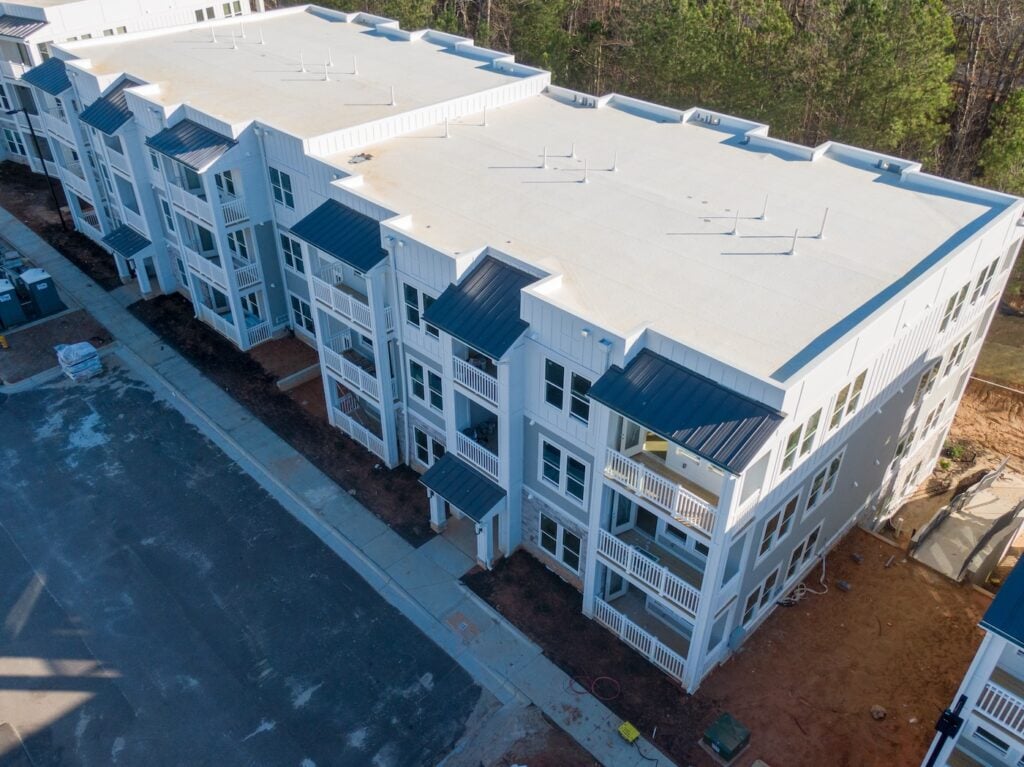
TPO roofing systems use a TPO membrane made from a blend of polypropylene and rubber compounds. This roofing material is known for its affordability, reflective surface, and strong performance in hot climates. TPO generally has a higher solar reflectance index, helping reduce cooling costs in hot climates.
TPO roofing is known for its high reflectivity, which helps reflect the sun’s heat away from the building. This makes it a strong option for commercial roofing projects that prioritize energy efficiency and cost control.
- Durability: Offers solid resistance to punctures and UV exposure.
- Energy efficiency: Reflective surface reduces heat absorption and cooling demand.
- Weather performance: Handles prolonged sun exposure effectively.
PVC Roofing
PVC roofing membranes are made from polyvinyl chloride, a durable thermoplastic material designed for flexibility and long-term strength. These PVC membranes are widely used in commercial roofing environments where exposure to chemicals or rooftop activity is common.
PVC roofing provides excellent resistance to environmental stress while maintaining flexibility over time, making it a dependable option for demanding applications.
- Durability: Strong resistance to chemicals, grease, and punctures.
- Energy efficiency: Reflects sunlight and helps control indoor temperatures.
- Weather performance: Performs well in rain, wind, and fluctuating conditions.
Installation Process for TPO and PVC Roofing
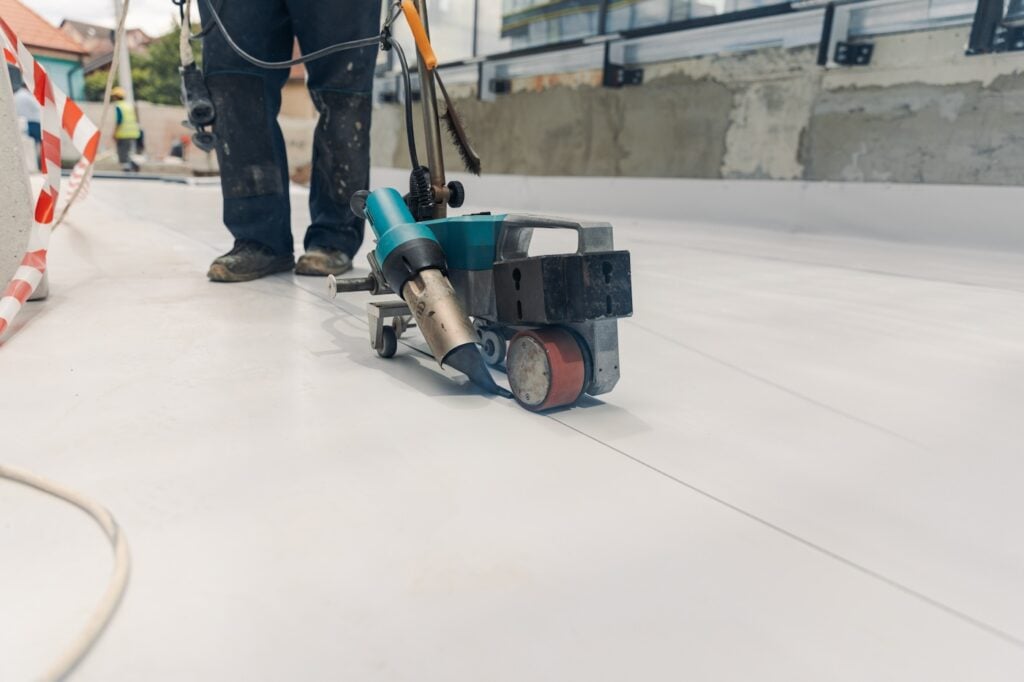
The installation process plays a major role in how well each roofing membrane performs over time. Both TPO and PVC roofing systems utilize heat-welded seams, which create a continuous, watertight surface that enhances the roof’s integrity and helps prevent leaks.
TPO Installation Process
TPO roofing systems are typically installed using mechanical fasteners or adhesive methods. This installation method works well for large flat roofs and allows for efficient coverage with fewer seams.
- Fast installation: Lightweight material makes handling easier.
- Flexible application: Can be mechanically attached or fully adhered.
- Seam welding: Heat-welded seams create a watertight barrier.
PVC Installation Process
PVC roofing membranes are also heat-welded, but the material tends to be more flexible during installation. This allows for strong seam bonding and consistent performance across different roofing layouts.
- Strong seam bonding: Heat welding creates durable connections.
- Adaptability: Flexible material conforms well to roof shapes.
- Reliable sealing: Performs well in complex layouts.
What’s the Difference Between TPO and PVC Roofing?
Here are six important factors to consider when comparing these two roofing systems.
- Chemical resistance: PVC outperforms TPO in environments with grease or chemical exposure.
- UV reflectivity: TPO typically offers higher reflectivity, improving energy efficiency.
- Cost: TPO is generally more affordable than PVC.
- Flexibility: PVC maintains flexibility longer over time.
- Installation method: Both use heat welding, but PVC is often easier to work with in varied conditions.
- Long-term durability: PVC often lasts longer in demanding environments.
TPO Roofing Material and PVC Roofing Material: Side-by-Side Comparison
| Performance Category | TPO | PVC |
| UV Resistance | Excellent | Good |
| Chemical Resistance | Moderate | Excellent |
| Cost | Lower | Higher |
| Flexibility | Moderate | High |
| Lifespan | 20–30 years | 20–30+ years |
| Best Use | Hot climates | High-demand commercial roofs |
How TPO and PVC Perform in Albuquerque’s Climate
Albuquerque’s climate presents challenges such as high UV exposure, heat, and occasional storms. Both TPO and PVC perform well, but each has strengths depending on the environment and building use.
Why TPO Works Well
TPO roofing systems are especially effective in hot climates where energy efficiency is a priority. Their reflective surface helps reduce cooling costs and improve indoor comfort.
- Heat resistance: Handles intense sun exposure effectively.
- Energy savings: Reflective surface lowers cooling demands.
- Cost efficiency: Ideal for large commercial roofing applications.
Why PVC Is a Strong Option
PVC roofing membranes are ideal for buildings that require added durability and resistance to environmental stress. They perform well in areas where roofs experience more than just weather exposure.
- Chemical resistance: Suitable for restaurants or industrial buildings.
- Durability under traffic: Handles frequent rooftop use.
- Moisture protection: Performs well in wet conditions.
Cost Considerations and Long-Term Value
Cost is often a deciding factor when choosing between TPO and PVC roofing. On average, TPO roofing costs between $5 to $8 per square foot for materials and installation, while PVC roofing typically ranges from $7 to $12 per square foot.
TPO is often chosen for its lower upfront investment, while PVC can offer greater durability in demanding environments. The right choice depends on building use and long-term expectations.
Maintenance Expectations for TPO and PVC Roofing
Proper maintenance helps extend the lifespan of both roofing systems and ensures they continue to perform effectively over time.
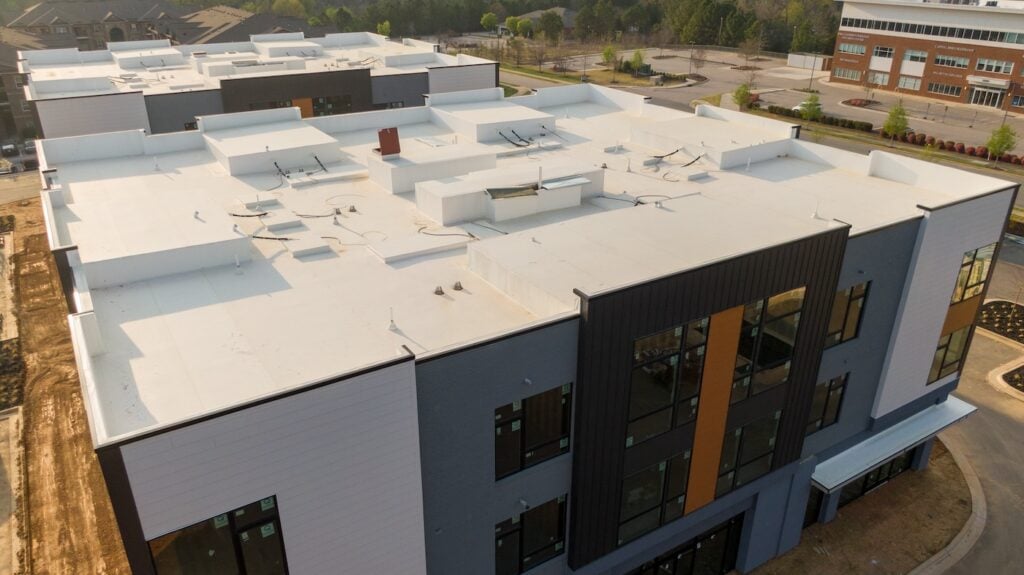
TPO roofing requires minimal maintenance, with regular inspections and occasional cleaning typically being enough to maintain its condition. PVC roofing also has low maintenance demands, requiring inspections to identify issues such as loose seams or debris buildup.
Both TPO and PVC roofing systems benefit from routine inspections and prompt repairs to extend their lifespan and maintain performance.
- Routine inspections: Identify seam issues or surface wear early.
- Debris removal: Prevent buildup that can trap moisture.
- Seam checks: Ensure heat-welded areas remain intact.
- Minor repairs: Address small punctures or damage quickly.
Choosing the Right Option for Your Property
Selecting the right roofing membrane depends on your building’s use, exposure conditions, and long-term goals. Both materials offer strong performance when installed properly by an experienced roofing contractor.
We’re proud to serve home and business owners in Albuquerque, NM, and nearby communities with TPO and PVC roofing installations and services.
Choose the Right Roofing System with Cabezon Roofing
At Cabezon Roofing, we help property owners compare roofing materials and select the best solution for their needs. Our team evaluates your building, recommends the right installation method, and ensures your roofing membrane is installed with precision.
Whether you need a new system for a commercial property or are upgrading an existing roof, we provide expert guidance and dependable service every step of the way.
Contact Cabezon Roofing today to schedule your consultation and explore your TPO and PVC roofing options.