Best Time of Year to Replace a Roof in New Mexico: A 2026 Guide
Timing your roof replacement correctly can mean the difference between a smooth, well-executed project and one that costs more or leaves materials vulnerable before they have fully bonded. If you have been putting off the decision, understanding the best time of year to replace a roof in New Mexico specifically gives you a real advantage. The climate here does not follow the same rules as the rest of the country, and knowing how each season affects roof replacement and installation helps you plan with confidence. Here is what this guide covers:
- Why New Mexico’s climate changes the seasonal calculus
- How each season affects replacement quality and cost
- The best and worst months to schedule in Albuquerque
- How material type affects your ideal installation window
- Warning signs that mean you cannot wait for the right season
Why New Mexico’s Climate Changes the Calculus

Most roof replacement timing guides are written for climates with cold winters and humid summers. New Mexico does not fit that mold. Albuquerque sits at over 5,000 feet in elevation, receives more than 280 sunny days per year, and experiences summer monsoons that can drop heavy rain in under an hour. Winters are mild compared to most of the country but still bring freeze-thaw cycles that affect installation quality.
The result is a seasonal window that looks different from what homeowners elsewhere are told. Fall is still the strongest season for most roofing projects, but spring in New Mexico arrives earlier and stays favorable longer. Extreme heat and dry conditions in summer create different challenges than humid climates, and cold weather in winter, while mild, still introduces temperature risks for certain roofing materials.
4 Seasons Compared: Best Time to Replace a Roof in New Mexico
New Mexico’s climate shapes each season differently than what most national roofing guides describe. Here is a direct breakdown of what each season means for a roof replacement project in the Albuquerque area, so you can make an informed decision based on your timeline, budget, and roofing materials.
1. Fall: The Strongest Window for Most Projects
Fall is the best time of year to replace a roof in New Mexico for most homeowners. Temperatures in September and October sit in the 55 to 80 degree range during the day, which is close to ideal for asphalt shingle adhesion. The monsoon season has largely wound down by late September, reducing rain delay risk. According to the Asphalt Roofing Manufacturers Association, installation temperatures above 40 degrees Fahrenheit are required for proper sealant strip activation. Fall in Albuquerque consistently meets that threshold throughout the workday.
- Temperature range: Daytime highs between 55 and 80 degrees through October keep materials workable and adhesives activating correctly.
- Contractor availability: Demand begins to ease after the summer peak, which can mean better scheduling flexibility and more competitive pricing.
- Weather consistency: Post-monsoon fall weather is among the most stable of any season, reducing the likelihood of mid-project delays.
- Book early: Fall fills up fast. Homeowners who wait until September to call often find the best crews already committed through November.
2. Spring: The Second-Best Window
Spring is the second-best season for roof replacement in New Mexico, and it arrives earlier here than most of the country. By March, daytime temperatures in Albuquerque are regularly in the 50s and 60s. April and May are consistently dry, warm, and stable, making them excellent for asphalt shingle, metal, and flat roofing projects. Scheduling in spring also gets ahead of the early summer demand surge, which means better access to roofing contractors and more competitive pricing. Completing a roofing project before June puts your new roof in place ahead of monsoon season.
3. Summer: Workable, but Plan Around the Heat and Monsoons
Summer is peak season in the roofing industry but introduces two challenges unique to New Mexico: extreme heat during midday hours and monsoon afternoon storms. A professional roofing contractor with local experience will work around both by starting early in the morning and planning for afternoon weather. Summer replacements are doable, but they require someone who knows the conditions.
- Heat effects: When temperatures exceed 90 degrees, asphalt shingles become pliable and can be damaged during installation. Quality contractors adjust by working early morning hours.
- Monsoon scheduling: Reliable contractors plan around afternoon storm probability and always protect exposed decking before stopping work each day.
- Higher demand: Summer means longer lead times and higher pricing. Book 4 to 6 weeks in advance.
4. Winter: Low Demand, Know the Limitations
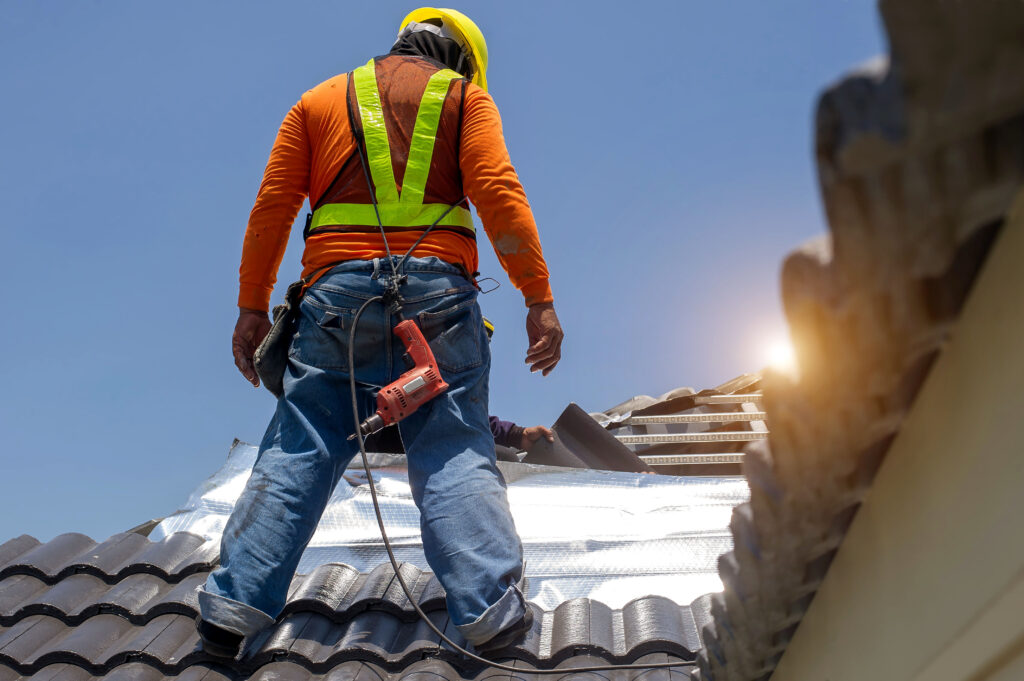
Winter roof replacement is the slowest and often lowest-cost option for homeowners. Albuquerque’s mild winters mean daytime temperatures frequently reach the 40s and 50s even in December and January, which is above the threshold for asphalt shingle installation most days. Inclement winter weather and cold weather nights introduce real considerations, but metal roofing and flat membrane systems are more tolerant of cool temperatures and can be installed through winter with fewer concerns. The main advantage is cost — roofing contractors are more motivated to price competitively to keep crews working.
Seasonal Comparison at a Glance
| Season | Temp Range | Weather Risk | Availability | Cost Pressure |
| Fall | 55 to 80 degrees | Low post-monsoon | Moderate, books fast | Moderate to high |
| Spring | 50 to 75 degrees | Low, pre-monsoon | Good | Low to moderate |
| Summer | 85 to 100+ degrees | Monsoon risk | Low, peak demand | High |
| Winter | 35 to 55 degrees | Low | High | Low |
We are proud to serve home and business owners in Albuquerque, NM, and nearby communities including Rio Rancho and Santa Fe with professional roof replacements, repairs, and roofing services and more.
How Material Type Affects Your Timing
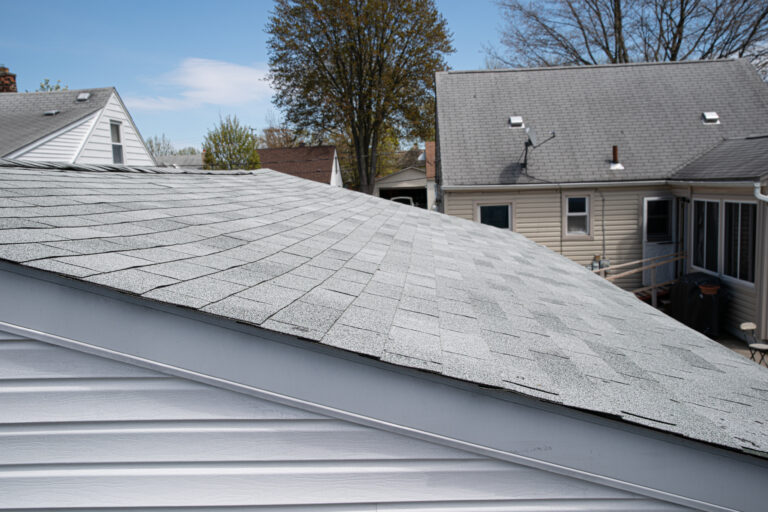
- Asphalt shingles: Most temperature-sensitive. Require above 40 degrees for proper sealant activation and are vulnerable to damage when too hot to handle. Spring and fall are ideal.
- Metal roofing: More tolerant of temperature extremes. Can be installed year-round in New Mexico with fewer adhesive concerns. Heat and cold affect crew comfort more than material performance.
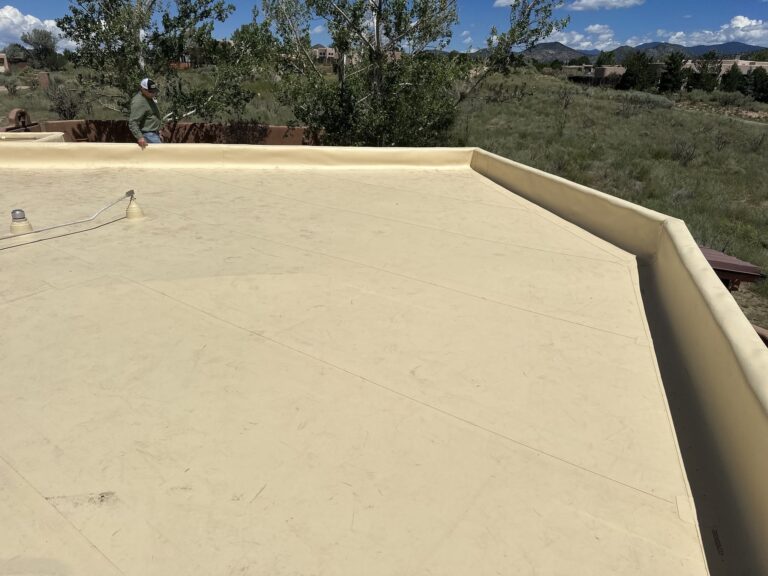
- Flat TPO and EPDM: Cold temperatures affect adhesive seaming. Spring through fall is preferred, though mechanically fastened or heat-applied systems can proceed through winter.
- Modified bitumen: Torch-applied systems are less dependent on ambient heat and can be installed reliably in cooler conditions.
Signs You Cannot Wait for the Right Season
Some roof conditions make timing secondary to urgency. Here are the situations that require immediate action regardless of the calendar.
- Active interior leaks: Any water making it through your roof deck and into your living space is causing ongoing structural and moisture damage with every storm. An active leak cannot wait for fall.
- Widespread storm damage: Hail damage, high-wind events, or a monsoon that leaves missing shingles or large portions of your roof exposed requires prompt replacement. A tarp is a short-term fix, not a solution.
- Visible sagging or structural movement: A sagging or shifting roof deck is a structural issue that needs professional assessment and often full replacement, regardless of season.
- Roof past its expected lifespan: An asphalt shingle roof over 20 years old or a flat system approaching 25 years should not be delayed simply to hit a better season. Getting your roof replaced sooner rather than later is often the more economical call — the cost of continuing repairs on an aging roofing project typically exceeds the cost of a planned replacement.
- Insurance has required replacement: If a storm damage claim has been approved with a replacement requirement, your timeline is set. Work with a contractor to schedule as quickly as their calendar allows.
Frequently Asked Questions About Roof Replacement Timing

Homeowners across Albuquerque, Rio Rancho, and Santa Fe tend to ask the same questions when planning a roof replacement. Here are the most common ones answered directly for New Mexico conditions.
What is the best month to replace a roof in Albuquerque?
October is the strongest single month in most years. Post-monsoon weather is stable, temperatures are ideal for asphalt shingle adhesion, and summer demand has eased enough that quality contractors have better availability. September is a close second if the monsoons have wound down early.
Does roofing cost more in summer?
Generally, yes. Summer is peak demand season, which gives contractors less incentive to compete on price. Spring and winter typically offer the best pricing. Fall sits in the middle since conditions are ideal but demand remains elevated from the summer run.
Can a roof be replaced in winter in New Mexico?
Yes, in most cases. Albuquerque’s mild winters mean daytime temperatures are often above the 40-degree threshold for asphalt shingle installation. Metal and flat roofing systems can be installed more reliably through winter. Always confirm your contractor is monitoring temperature and following manufacturer installation requirements.
How far in advance should I book a roof replacement?
For fall, book by midsummer. For spring, book in February or early March. Summer projects need 4 to 6 weeks of lead time. The best crews fill their calendars earliest, so earlier is always better.
Cabezon Roofing: Plan Your Replacement at the Right Time
Knowing when to move forward is half the battle. The other half is choosing a roofing company that knows how to execute in New Mexico’s specific climate. Cabezon Roofing has experience with every season Albuquerque throws at a roof, from monsoon-season emergencies to fall installations that take full advantage of the ideal weather window. We provide free estimates, give you an honest timeline based on our current schedule and your target season, and complete every project with quality workmanship backed by manufacturer warranty support.
Talk to our team today to schedule your free inspection and start planning your replacement at the right time.