Warning Signs You Need a New Roof | Expert Tips
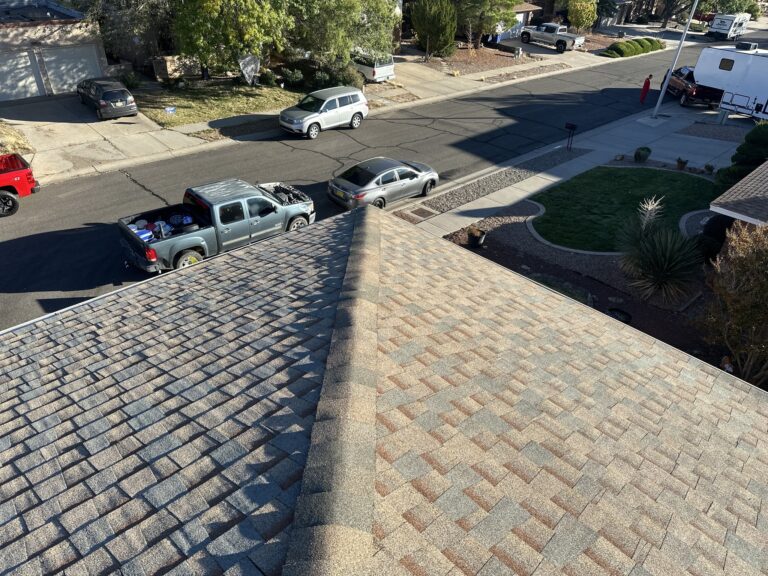
Recognizing the signs you need a new roof can help you avoid costly damage and plan your next roofing project at the right time. In New Mexico, roofs are exposed to intense sun, temperature swings, and seasonal storms, all of which can speed up wear and tear.
While some roofing issues can be repaired, others indicate it may be time for a full replacement. Knowing the difference helps you protect your home and avoid ongoing problems.
Here’s what this guide covers:
- Common warning signs your roof is failing
- How to tell repair vs replacement
- What causes roof deterioration
- When to take action
- Tips to extend roof life
Understanding these warning signs helps you make informed decisions and avoid unexpected expenses.
7 Signs You Need a New Roof
If your roof is aging or showing damage, these warning signs can indicate it’s time to consider a replacement. Catching these issues early can prevent damage to your roof deck and interior spaces.
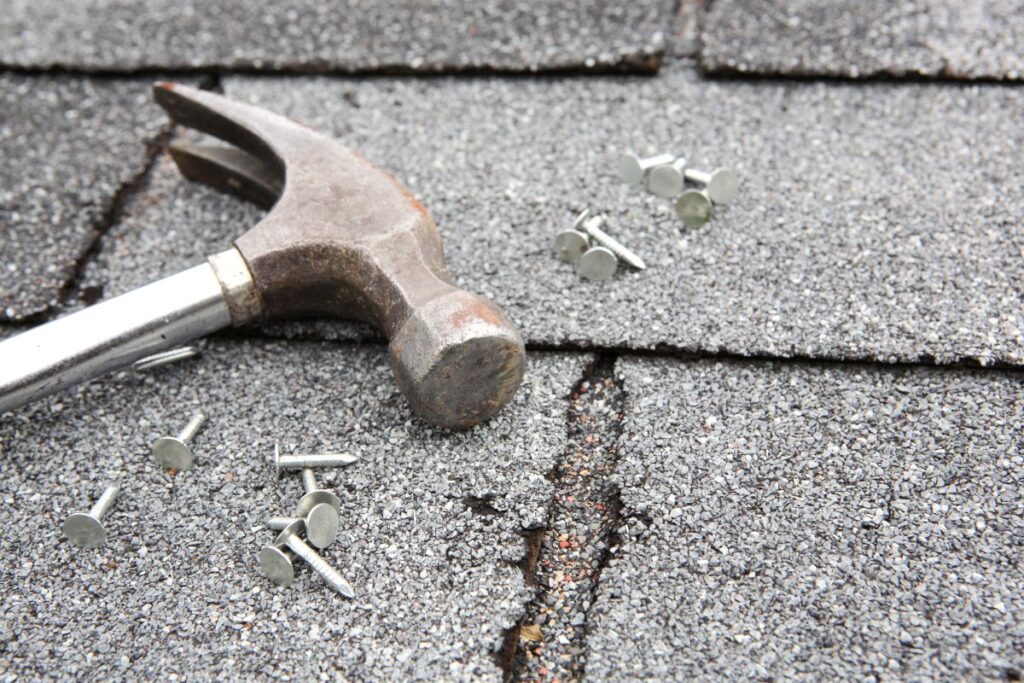
1. Missing or Damaged Shingles
When roof shingles begin to fail, they often show visible signs of wear. Granules protect shingles from sun damage, so when they wear off, the shingles become more vulnerable to deterioration.
- Missing shingles exposing underlayment
- Cracked, curled, or broken shingles
- Worn or lifting shingle edges
2. Frequent Roof Leaks
Recurring leaks usually mean the roofing system is no longer providing a watertight barrier. Even small leaks can lead to larger structural issues over time.
- Water stains on ceilings or walls
- Dripping during rainstorms
- Moisture buildup in attic spaces
3. Sagging Roof Areas
Sagging is a serious issue that often points to structural damage beneath the surface. Structural moisture entrapment can be indicated by damp or rotting decking.
- Uneven or drooping roof lines
- Soft or weak spots when walking on the roof
- Visible dips across roof surfaces
4. Visible Wear and Aging
Roofs naturally degrade over time, especially under New Mexico’s harsh conditions. Visible signs of aging often indicate that materials are nearing the end of their lifespan.
- Granule loss on shingles
- Fading or discoloration
- Surface deterioration
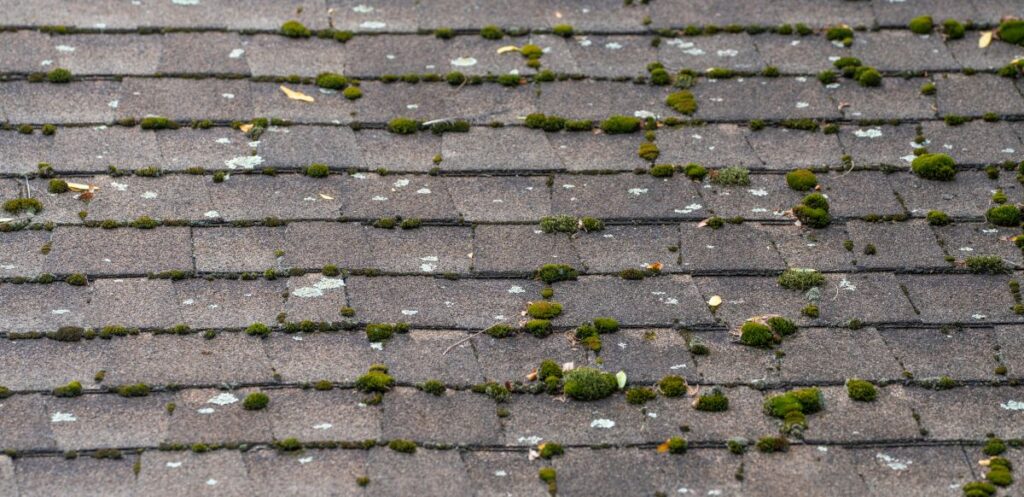
5. Moss Growth or Debris Buildup
Moss growth and debris can trap moisture against the roof surface. Over time, this can accelerate wear and contribute to long-term damage.
- Moss or algae on roof surfaces
- Debris accumulation in valleys
- Moisture retention in shaded areas
6. Storm Damage
Severe weather can cause sudden damage that may not always be obvious from the ground. Wind and debris can weaken the roofing system and lead to future issues.
- Missing shingles after storms
- Damaged flashing or vents
- Impact marks from debris
7. Rising Energy Bills
A failing roof can reduce insulation performance and allow heat to enter your home. This can increase strain on your HVAC system and raise energy costs.
- Increased energy usage
- Inconsistent indoor temperatures
- Reduced efficiency
What Causes Roof Damage Over Time?
Roof damage typically develops from a combination of environmental exposure, aging materials, and installation quality. Understanding these causes helps homeowners prevent issues and extend the life of their roofing system.
Sun and UV Exposure
Constant exposure to sunlight gradually breaks down roofing materials, especially asphalt shingles. Granules protect shingles from sun damage, but once they wear away, the material deteriorates more quickly. This leads to cracking, fading, and reduced protection against the elements. According to the Insurance Institute for Business & Home Safety’s Roof Aging Farm research, sunshine can drive roof temperatures over 200°F, and UV radiation is known to degrade the asphalt found in asphalt shingles — making intense sun exposure one of the most significant contributors to premature roof deterioration in high-sun environments like New Mexico.
Temperature Changes
Daily temperature swings cause roofing materials to expand during the day and contract at night. Over time, this repeated movement weakens the structure and can lead to cracks or separation. These small shifts eventually create openings where water can enter.
Poor Installation
Improper installation can significantly reduce the lifespan of a roof, even when high-quality materials are used. Roofs installed over existing shingles may need replacement after 20 years due to trapped heat and uneven surfaces. A poorly installed roof is more vulnerable to leaks and long-term damage.
Lack of Maintenance
Neglecting regular maintenance allows small issues to develop into larger problems over time. Debris buildup, clogged gutters, and unnoticed damage can all impact performance. Routine inspections and minor repairs help prevent costly damage and extend roof life.
Repair vs Replacement: How to Decide
Not every roofing issue requires a full replacement. Understanding when to repair versus replace can help you manage costs and make the right decision.
When Repair Is Enough
Repairs are typically effective when damage is limited and the overall system is still in good condition. Addressing minor issues early can help extend the life of your roof.
- Isolated leaks or minor damage
- Roof still within expected lifespan
- No structural concerns
When Replacement Is Needed
Replacement is the better option when damage is widespread or recurring across the roof. Continuing to repair an aging system can lead to higher long-term costs.
- Multiple leaks across the roof
- Aging materials nearing failure
- Structural issues or sagging
A professional inspection can help determine the best course of action.
How Roofers Inspect for Damage
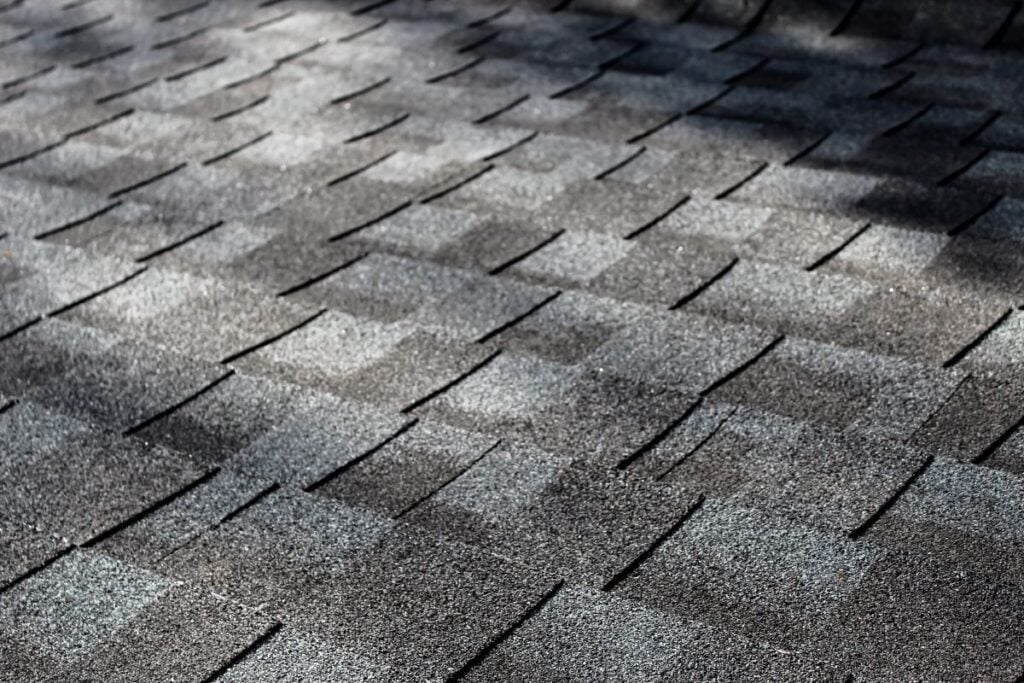
A roofing contractor will assess multiple areas to determine the condition of your roof. This process helps identify both visible issues and hidden problems.
- Shingle condition and wear
- Flashing and seal integrity
- Roof deck condition
- Ventilation and airflow
A thorough inspection ensures accurate recommendations and helps homeowners plan next steps.
How to Extend the Life of Your Roof
Proper maintenance can help delay replacement and keep your roof performing well.
- Schedule regular inspections
- Clean gutters and remove debris
- Repair damage quickly
- Ensure proper ventilation
Taking these steps helps protect your investment and reduce long-term costs.
Why Acting Early Matters
Ignoring early warning signs can lead to more serious damage inside your home. Water intrusion can affect insulation, ceilings, and structural components.
Addressing issues early helps prevent expensive repairs and keeps your home protected year-round.
We’re proud to serve homeowners across New Mexico with reliable roofing services and expert guidance.
Schedule a Roof Inspection with Cabezon Roofing
At Cabezon Roofing, we help homeowners identify the signs you need a new roof and determine the best solution. Our team provides detailed inspections and honest recommendations based on your roof’s condition and environment.
Contact Cabezon Roofing today to schedule an inspection and get expert guidance on your next roofing project.