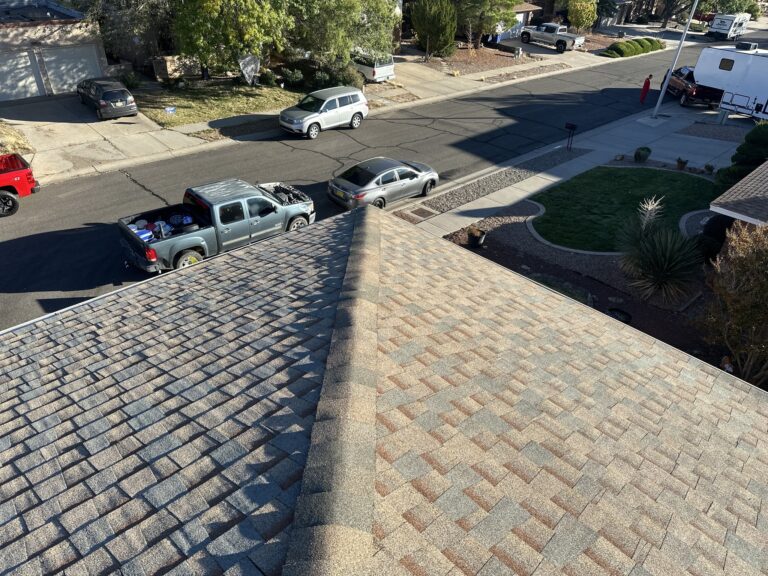
Trusted Roof Inspections in Albuquerque, NM
A professional Albuquerque roof inspection is one of the smartest investments you can make as a homeowner in Central New Mexico. Between the blazing summer sun, monsoon downpours, and the occasional hailstorm rolling in from the east, it is easy for small issues to grow quietly into expensive problems. Getting a qualified roof inspector out to your property before minor problems become major ones can save you thousands and extend your roof life significantly. In this guide, we will walk you through everything homeowners need to know about residential roof inspections and repairs, including:
- Why routine inspections matter more in New Mexico’s climate
- What a professional inspector looks for on your roof
- How often you should schedule an inspection
- The warning signs that mean you need one now
- What to expect during and after the process
- How to choose the right roofing contractor for the job
Why Roof Inspections Matter in New Mexico’s Climate
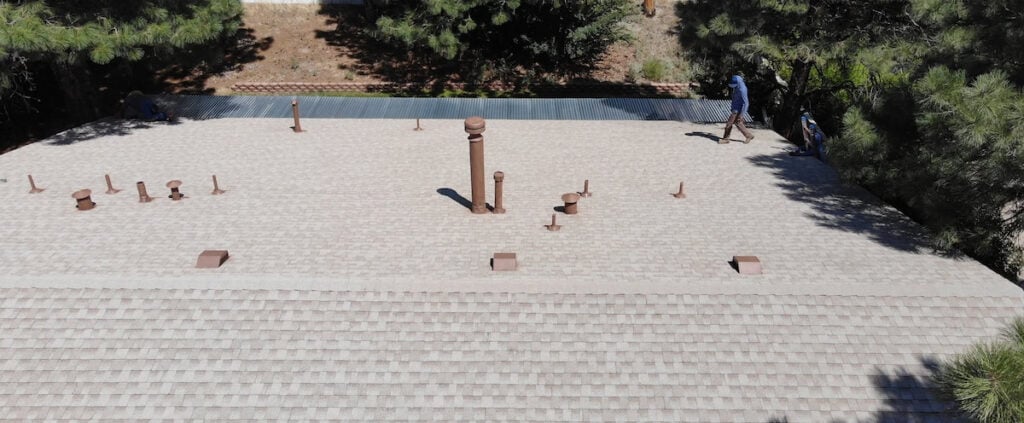
New Mexico’s weather is harder on roofs than most homeowners realize. Albuquerque sits at over 5,000 feet in elevation, which means roofing materials are exposed to intense UV radiation, wide temperature swings between day and night, and seasonal monsoon storms that can drop heavy rain in a matter of minutes.
All of that adds up. Flat roofs commonly used in Southwestern homes are especially vulnerable to standing water after heavy rains. Stucco and tile roofs can develop hairline cracks that allow moisture in before you ever notice a drip inside. Even newer shingle roofs can experience accelerated aging from constant sun exposure at high altitude.
The good news is that a professional inspection catches these issues early, before they compromise your home’s structure or lead to mold, rot, or interior water damage. Skipping inspections is not saving money. It is deferring a small cost until it becomes a large one.
What Inspectors Look for During a Roof Inspection
A thorough roof inspection covers far more than a quick look from the ground. A trained roof inspector will evaluate your roof’s condition from every angle, inside and out, giving you a clear and accurate picture of where things stand and what necessary repairs, if any, need to be addressed.
Surface and Material Condition
The inspector will check the condition of all roofing materials across the entire surface. Whether your home has asphalt shingles, a flat TPO membrane, metal panels, or a tile system, each material has specific signs of wear that a trained eye can identify quickly.
- Missing or displaced materials: Shingles, tiles, or membrane sections that have shifted or blown off leave the roof deck exposed to moisture.
- Granule loss: Asphalt shingles shed granules as they age. Heavy granule loss in gutters or downspouts signals a roof nearing the end of its service life.
- Surface cracking or blistering: Common in flat and low-slope roofs exposed to extreme heat cycles, cracks allow water to work its way under the membrane.
- Algae or moss growth: Organic growth retains moisture against the roof surface, accelerating deterioration over time.
Flashing and Sealant Integrity
Flashing is the metal material installed around chimneys, skylights, vents, and roof edges to prevent water from getting in at seams and joints. It is one of the most common sources of roof leaks, and inspectors pay close attention to it.
- Lifted or separated flashing: When flashing pulls away from the structure, it creates a direct path for water intrusion.
- Failed sealant: Roof sealants dry out and crack over time, especially under New Mexico’s intense UV exposure.
- Rust or corrosion: Metal flashing around chimneys or pipe boots can rust through if left unaddressed.
Structural Integrity and Decking
Beyond the surface, inspectors assess the underlying structure to ensure the roof deck, rafters, and support system are sound.
- Sagging or uneven roof planes: These can indicate rot, weakened rafters, or structural settling.
- Soft spots on the deck: Areas of the roof that flex under foot pressure may have water-damaged sheathing beneath.
- Proper ventilation: Inadequate attic ventilation causes heat and moisture to build up, shortening the lifespan of your entire roof system from the inside out.
How Often Should You Schedule a Roof Inspection?
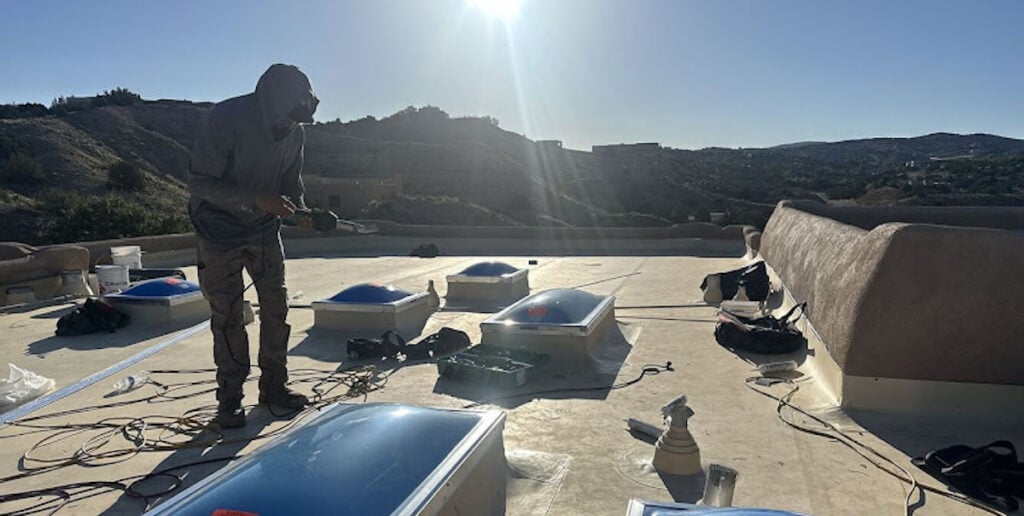
Many homeowners do not think about their roof until something goes wrong, and by then, potential issues have often grown into far more expensive problems. That reactive approach typically costs far more than a consistent maintenance schedule. According to the National Roofing Contractors Association, biannual inspections can uncover cracked, warped, or missing shingles; loose seams; and deteriorated flashings before they escalate into major repairs. (National Roofing Contractors Association)
For homeowners in Albuquerque and surrounding communities, we recommend scheduling inspections in the spring and fall. The spring inspection catches any damage from winter cold and wind. The fall inspection prepares your roof before monsoon season transitions into winter. You should also schedule an inspection any time after a significant hail damage event or high-wind storm passes through your area, since hail damage is not always visible from the ground and can drastically shorten roof life if left unaddressed.
Inspection Frequency by Roof Age
| Roof Age | Recommended Frequency |
| 0 to 5 years | Once per year |
| 6 to 10 years | Twice per year |
| 11 to 20 years | Twice per year plus after major storms |
| 20 years or older | Three times per year or more |
Older roofs and roofs approaching the end of their expected lifespan deserve more attention, not less. The older the roof, the faster minor problems tend to compound into structural concerns that affect your roof’s condition throughout.
6 Warning Signs You Need a Roof Inspection Now
You do not always have to wait for your scheduled inspection if something seems off. Certain warning signs should prompt you to call a roofing professional right away, even if your last inspection was recent.
1. You Notice Water Stains on Interior Ceilings or Walls
Water stains almost always point to a roof leak, even if you cannot find an obvious entry point. By the time moisture reaches your ceiling drywall, it has usually been traveling through the attic for some time.
2. Shingles Are Visibly Curling, Cracking, or Missing
Curling shingles have lost their flexibility and can no longer shed water effectively. Missing shingles leave the deck exposed. Either condition warrants a professional look as soon as possible.
3. Your Gutters Are Full of Granules
A small amount of granule shedding is normal for new asphalt shingles, but excessive granule buildup in gutters is a sign that shingles are breaking down and nearing the end of their useful life.
4. Daylight Is Visible Through the Attic
If light comes through gaps in your attic during the day, water and cold air can come through those same gaps. This is a serious indicator that your roof deck or shingles have failed in one or more spots.
5. Your Energy Bills Have Spiked Unexpectedly
Poor attic ventilation or a compromised roof system can cause your HVAC system to work overtime keeping your home comfortable. A sudden increase in energy costs without another clear explanation is worth investigating.
6. Your Roof Is More Than 15 Years Old Without a Recent Inspection
Even if there are no obvious symptoms, a roof that has not been professionally inspected in several years may have hidden issues developing beneath the surface. Age alone is a good enough reason to schedule a visit.
What to Expect During a Professional Inspection
Knowing what a professional inspection involves helps you feel confident you are getting real value from the process. A reputable roofing contractor will follow a consistent, thorough process from start to finish.
- Initial walkthrough: The inspector will do a ground-level visual assessment before going on the roof, looking for obvious signs of damage from multiple angles.
- Full roof access: The contractor will safely access the roof surface to inspect all materials, seams, flashings, penetrations, and drainage points directly.
- Attic inspection: When accessible, the attic is checked for proper ventilation, signs of moisture or mold, insulation condition, and deck integrity.
- Detailed findings report: After the inspection, you should receive a written report with photos documenting what was found, what needs attention now, and what to monitor over time.
- Repair recommendations: A good roof inspector gives you honest recommendations without pressure, clearly explaining which necessary repairs need immediate attention and which items can be monitored over time.
We are proud to serve homeowners in Albuquerque, NM, and nearby communities with professional roof inspections, repairs, replacements, and more.
Frequently Asked Questions About Roof Inspections
Getting answers to common questions before you schedule your inspection helps you know what to expect and how to prepare.
How long does a roof inspection take?
Most residential roof inspections take between one and two hours, depending on the size and complexity of the roof. Larger homes, homes with multiple roof planes, or properties with steep pitches may take a bit longer. The time invested in a thorough inspection is well worth it.
Is a roof inspection free?
Many reputable roofing companies offer free inspections as part of their standard services. At Cabezon Roofing, we provide free estimates so homeowners can understand the condition of their roof without any upfront commitment or pressure.
Can I inspect my own roof?
Homeowners can do a basic visual check from the ground or from a ladder at the eave level, but a true professional inspection requires safely accessing the roof surface and knowing exactly what to look for. DIY inspections miss most of the issues that a trained contractor will catch, particularly flashing failures, deck damage, and ventilation problems.
What happens after the inspection?
You receive a written report with the inspector’s findings and recommended next steps. If repairs are needed, you will receive a clear estimate. If the roof is in good shape, you will have documentation and peace of mind. Either way, you walk away with more information than you had before.
Does a roof inspection help with insurance claims?
Yes, significantly. If you have hail damage or other storm-related issues, a professional inspection report and photos from a licensed roofing contractor support your claim with your insurance company. Many insurers also respond more favorably to documented, routine maintenance records when evaluating coverage decisions. Keeping up with regular inspections also helps protect your roof life by ensuring necessary repairs are caught and addressed promptly.
Trust Cabezon Roofing for Your Next Albuquerque Roof Inspection
Your roof works hard every single day to protect your home, your family, and everything inside. It deserves the same level of attention and care you would give any other major component of your home. Cabezon Roofing is a GAF-certified roofing contractor serving Albuquerque and Central New Mexico with inspections, repairs, and full roof replacements for residential and commercial properties.
Our certified roof inspectors understand the unique demands that New Mexico weather places on roofing systems. We show up on time, communicate clearly, and give you honest advice without the pressure. Whether you are scheduling your routine biannual inspection or responding to recent storm damage, we are ready to help.
Reach out to our team to schedule your free roof inspection today and get the peace of mind that comes from knowing exactly where your roof stands.