Asphalt Shingles Cost in 2026: Pricing Guide by Type & Size
Understanding asphalt shingles cost in 2026 is essential for homeowners planning a roof replacement or new roofing project. Asphalt shingles remain one of the most popular choices in the roofing industry because they offer a balance between affordability, durability, and design flexibility.
If you’re comparing options, reviewing roofing services and materials can help you understand how an asphalt shingle roof compares to alternatives like metal roofing or slate shingles. Costs can vary significantly depending on roof size, material costs, labor costs, and overall project complexity.
Whether you’re budgeting for a full roof replacement or planning a new shingle roof, understanding pricing helps you make more informed decisions and avoid unexpected expenses.
Here’s what this guide covers:
- Average asphalt shingle roof cost in 2026
- Pricing by shingle type
- Cost by roof size and square foot
- Labor and material costs
- What affects total installation cost
Understanding these factors helps you estimate your roofing project more accurately.

Average Asphalt Shingles Cost in 2026
The average asphalt shingle roof cost in 2026 typically ranges between $5,000 and $15,000 for a full roof replacement, depending on the size and complexity of the project. Most homeowners pay between $4 to $8 per square foot, including labor and material costs.
Roofing projects are measured in squares, with one square equal to 100 square feet. This helps standardize pricing across the roofing industry and makes it easier to compare estimates from different contractors. It’s also important to note that asphalt shingle prices continue to fluctuate, with increases of approximately 6 to 10% quarterly due to changes in material supply and demand.
Asphalt Shingle Cost by Type
Not all shingles are priced the same, and the type you choose has a direct impact on material costs, durability, and overall performance. Understanding the differences helps you choose the right option for your home and budget.
3-Tab Shingles
3-tab shingles are the most basic and cost-effective option for a shingle roof. They are commonly used for budget-conscious roofing projects but may not offer the same durability or lifespan as higher-end materials.
- Cost range: Typically $4 to $6 per square foot installed
- Material costs: Lower upfront cost compared to premium shingles
- Best use case: Suitable for smaller roofing projects or tight budgets
Architectural Shingles
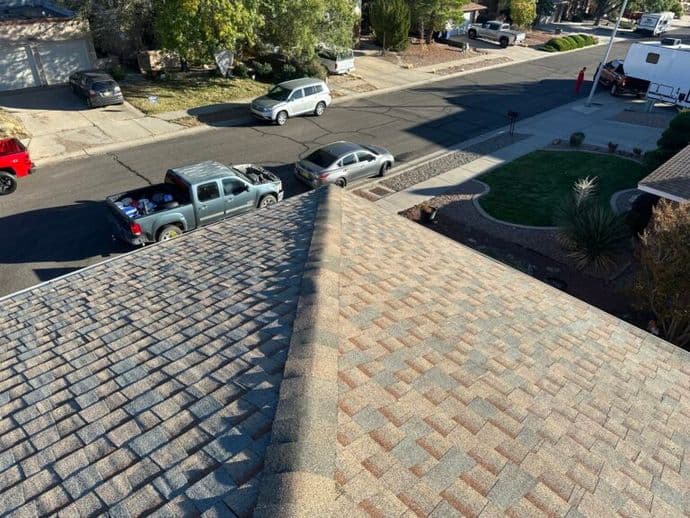
Architectural asphalt shingles are thicker and more durable than 3-tab options, making them one of the most popular choices for a new shingle roof. They provide improved wind resistance and a more dimensional look, while typically lasting around 20 years depending on conditions and maintenance.
- Cost range: Typically $5 to $8 per square foot installed
- Durability level: Stronger than basic shingles with better weather resistance
- Lifespan expectation: Around 20 years on average
- Design appeal: Adds depth and improves curb appeal
Luxury Shingles
Luxury or premium shingles are designed to replicate the appearance of materials like slate shingles while offering enhanced durability. These premium shingles provide long-term value for homeowners looking for a high-end finish.
- Cost range: Typically $7 to $12 per square foot installed
- Appearance quality: Mimics slate shingles or wood shake
- Longevity: Extended lifespan compared to standard shingles
Asphalt Shingles Cost by Roof Size
Roof size is one of the most important factors affecting total cost because it directly impacts both labor and material requirements. Larger roofs require more materials and increase installation time.
- 1,000 sq ft roof: Estimated $4,000 – $8,000
- 1,500 sq ft roof: Estimated $6,000 – $12,000
- 2,000 sq ft roof: Estimated $8,000 – $16,000
- 2,500+ sq ft roof: Estimated $10,000 – $20,000+
These estimates can vary depending on the complexity of the existing roof, pitch, and accessibility.
7 Factors That Affect Asphalt Shingles Cost
Several variables influence the total cost of a roofing project. Understanding these factors helps homeowners plan more accurately and evaluate contractor estimates.
1. Roof Size and Pitch
The size and pitch of your roof directly affect both labor costs and material usage. Steeper roofs require specialized safety equipment and additional precautions, which can increase labor costs by 15% to 30%.
- Material usage: Larger roof size increases total materials needed
- Installation complexity: Steeper roofs increase labor difficulty
- Safety requirements: Specialized equipment adds to cost
2. Type of Shingles
The type of shingles you choose plays a major role in determining material costs and overall value. Higher-end shingles typically offer better durability and longer lifespan.
- Upfront pricing: Basic shingles cost less initially
- Performance level: Premium shingles provide better protection
- Long-term value: Higher quality reduces future repairs
3. Removal of Existing Roof
Removing the existing roof is often necessary before installing a new shingle roof. This step ensures proper installation but adds to the overall installation cost.
- Cost addition: Typically adds $1,000 to $3,000
- Installation quality: Improves performance of new shingles
- Debris handling: Includes disposal and cleanup
4. Roof Deck Condition
The condition of the roof deck underneath your shingles can significantly impact cost. If the decking is compromised, replacing it may incur additional fees per sheet of wood, increasing both material and labor expenses.
- Structural concerns: Damaged decking increases cost
- Repair scope: Per-sheet replacement adds up quickly
- Project timeline: Repairs extend installation time
5. Labor Costs
Labor costs are a major portion of any roofing project and vary depending on contractor experience and regional demand within the roofing industry.
- Rate variation: Depends on location and contractor
- Skill level: Experienced crews ensure better results
- Complexity factor: Difficult jobs increase labor costs
6. Ventilation and Accessories
Proper ventilation and roofing components are essential for long-term performance and durability of an asphalt shingle roof.
- Ventilation systems: Prevent moisture buildup
- Flashing protection: Secures vulnerable areas
- Underlayment layer: Adds extra protection
7. Market and Material Conditions
Material costs and labor availability can fluctuate based on market conditions, which directly impacts overall pricing.
- Material pricing: Affected by supply and demand
- Price increases: Asphalt shingles rise 6–10% quarterly
- Regional trends: Costs vary by location

Repair vs Replacement Costs
In some cases, repairing a roof may be more cost-effective than a full roof replacement. However, the decision depends on the condition of the existing roof and long-term goals.
When Repair Makes Sense
Roof repair is a good option when damage is limited and the structure is still in good condition. It allows homeowners to extend the life of their roof without a major investment.
- Damage level: Minor leaks or localized issues
- Roof age: Still within expected lifespan
- Cost savings: Lower upfront expense
When Replacement Is Better
A full roof replacement is often the better option when damage is widespread or the roof is nearing the end of its lifespan. This ensures long-term performance and reduces recurring issues.
- Recurring problems: Frequent repairs needed
- Aging roof: Nearing end of lifespan
- Major damage: Structural concerns present
According to the National Roofing Contractors Association, most new roofs are designed to provide useful service for about 20 years, with actual lifespan determined by local climatic conditions, material quality, proper installation, and adequate maintenance — making a roof approaching that threshold a strong candidate for full replacement rather than continued repairs.
Get a Roofing Estimate in New Mexico
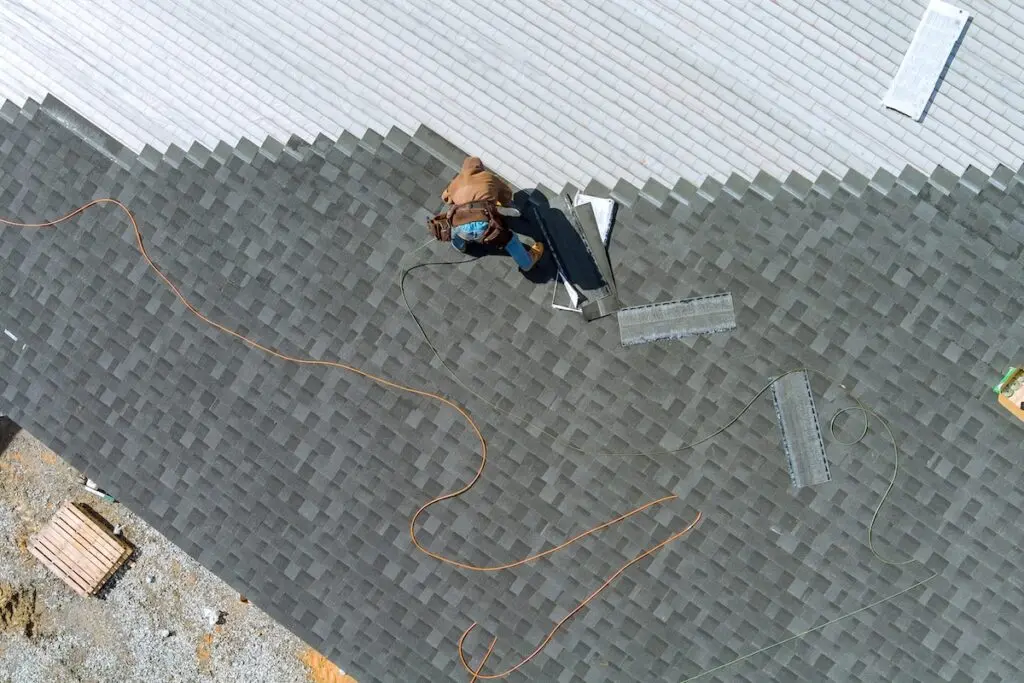
At Cabezon Roofing, we help homeowners understand their options and plan roofing projects with confidence. Whether you’re considering a new shingle roof or a full roof replacement, our team provides clear guidance based on your needs.
We take into account roof size, material costs, labor costs, and overall project goals to give you an accurate estimate.
Contact our team to get a free estimate and learn more about your roofing project.